
From the Principal
From the Principal
From the Principal
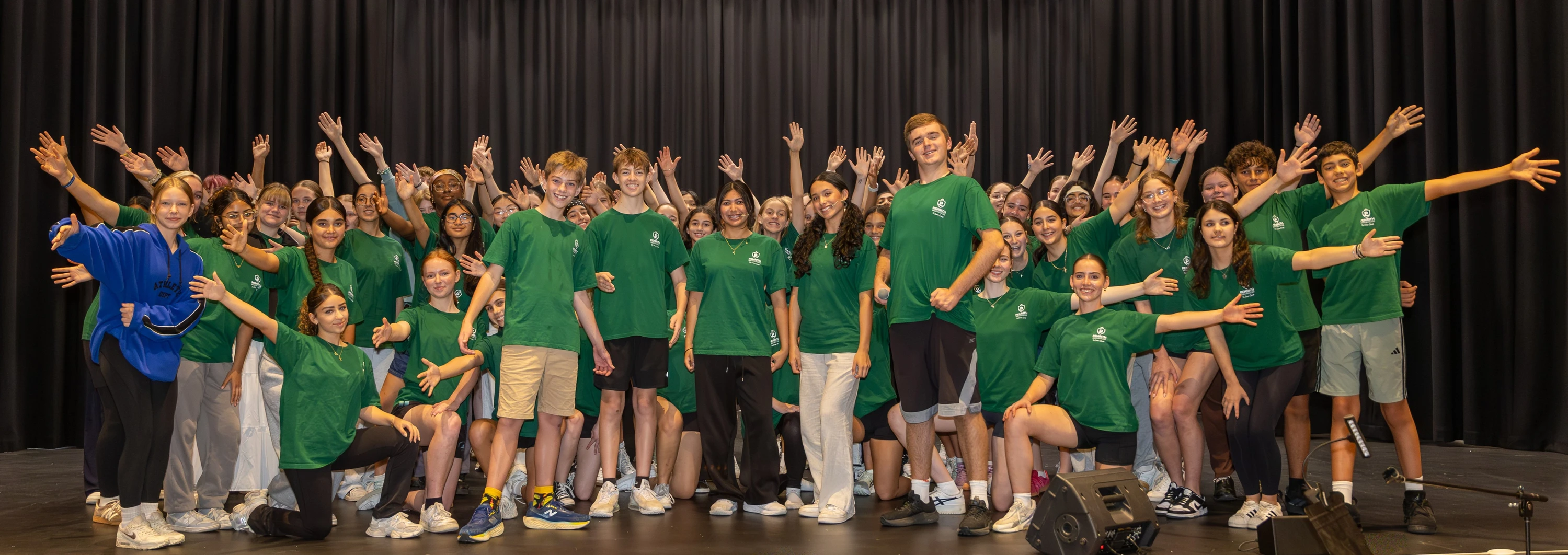
I look forward to welcoming you to Penrith Anglican College’s 2026 production of The Wizard of Oz , opening this Friday. This much loved musical follows Dorothy and her companions along the Yellow Brick Road, highlighting themes of belonging, courage and hope that reflect the heart of our College community.
Our musical productions are a valued part of College life, providing students from Years 5 to 12 with opportunities to grow in confidence, creativity and resilience through teamwork and shared experiences. The Wizard of Oz reminds us that qualities such as wisdom, compassion and bravery are discovered along the journey, an important message for our students.
This production is the result of months of dedication from our students, staff and families. I thank the Performing Arts and Production Team, our students and the many volunteers who have contributed so generously.
Performance dates and times:
Friday 5 June, 7:00pm
Saturday 6 June, 7:00pm
Friday 12 June, 7:00pm
Saturday 13 June, 1:00pm and 7:00pm
Bookings can be made via Trybooking
There are still tickets available, and we encourage our community to come along and support our students.
Primary School
From the Head of Primary
From the Head of Primary
Why Talking Matters: Supporting Your Child’s Language at Home
When we think about learning at school, reading and writing often come to mind first. I remember my first day teaching Kindergarten, when a student was in tears at the end of the day. When I knelt down to check in, they shared how upset they were that they hadn’t yet learnt to read and write. Even from their very first day, our children come to school with the expectation that this is what learning will look like. However, one of the most important skills children develop begins long before they pick up a book. It is oral language. Oral language is how children learn to listen, understand and express themselves. It is built through everyday conversations, shared stories and meaningful interactions with the people around them. At school, it is not seen as a separate or optional skill. It sits at the heart of learning across all areas.
Research shows that children’s vocabulary and their ability to understand spoken language are key predictors of later reading success. The NSW English syllabus reflects this, highlighting that strong foundations in oral language support children as they move into reading, writing and learning more broadly. Before children can understand what they read, they need to understand the language they hear. This is why oral language is so important in the early years, and why it continues to be developed right through primary school. We also know that both the amount and quality of talk children experience makes a real difference. Rich, back-and-forth conversations help children build vocabulary, confidence and understanding over time.
What does this look like at school?
In the NSW English syllabus, speaking and listening are central to learning. Students develop their language through interacting with others, exploring ideas and communicating in a range of ways.
Across the primary years, children learn to:
- share ideas clearly and confidently
- listen and respond to others
- build and use new vocabulary
- adapt how they speak depending on the situation and audience
As students grow, so do expectations. They move from simple conversations in the early years to explaining their thinking, participating in discussions and presenting ideas to others. These skills support learning in every subject area, not just English. The syllabus also recognises that communication extends beyond speaking. It includes listening, understanding, and using non-verbal communication such as gestures and facial expression to make meaning.
How can you support this at home?
Building language grows through time, attention and conversation, and families play a vital role. Every conversation matters. The everyday moments of talking, listening and sharing ideas are what shape your child’s learning most strongly. Take time to talk during everyday moments such as travelling in the car, preparing meals or walking together. Ask open-ended questions and allow your child time to respond. These conversations build both language and thinking.
Reading together is one of the most powerful ways to support language development. Talking about the story, asking questions and making connections to your child’s experiences strengthens both understanding and vocabulary. Interactive reading approaches have been shown to significantly support children’s oral language development.
When your child speaks, gently expand what they say. For example, if they say “big truck”, you might respond with “Yes, that’s a big, noisy truck driving down the road.” This helps children hear more complete language and learn new words naturally.
Providing opportunities for children to retell their day, create stories or engage in imaginative play helps them organise their thinking and use more complex language.
For families who speak more than one language, continuing to use your home language is highly encouraged. The syllabus recognises and values the diverse language backgrounds students bring to school. Strong skills in a child’s first language support overall language development and help them learn additional languages, including English. Conversations, storytelling and reading in your home language all contribute to your child’s success at school while also strengthening their sense of identity and connection.
At school, we are deliberate in teaching these skills because we know how important they are. At home, your conversations, stories and shared experiences continue that work in the most meaningful way. By taking the time to talk and connect, you are supporting not only your child’s language development, but also their confidence, curiosity and success at school.

Sea of Hands
Sea of Hands
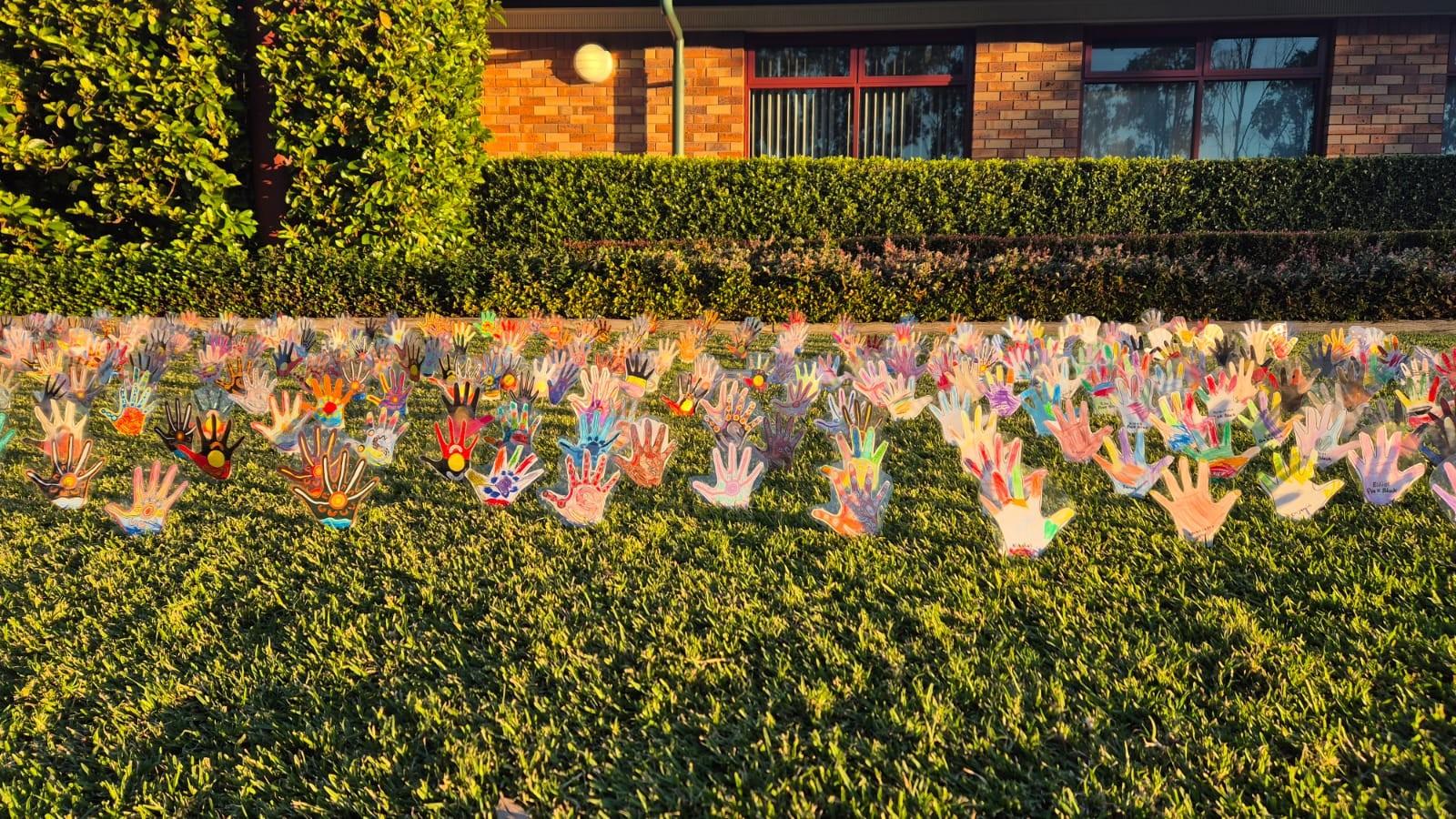
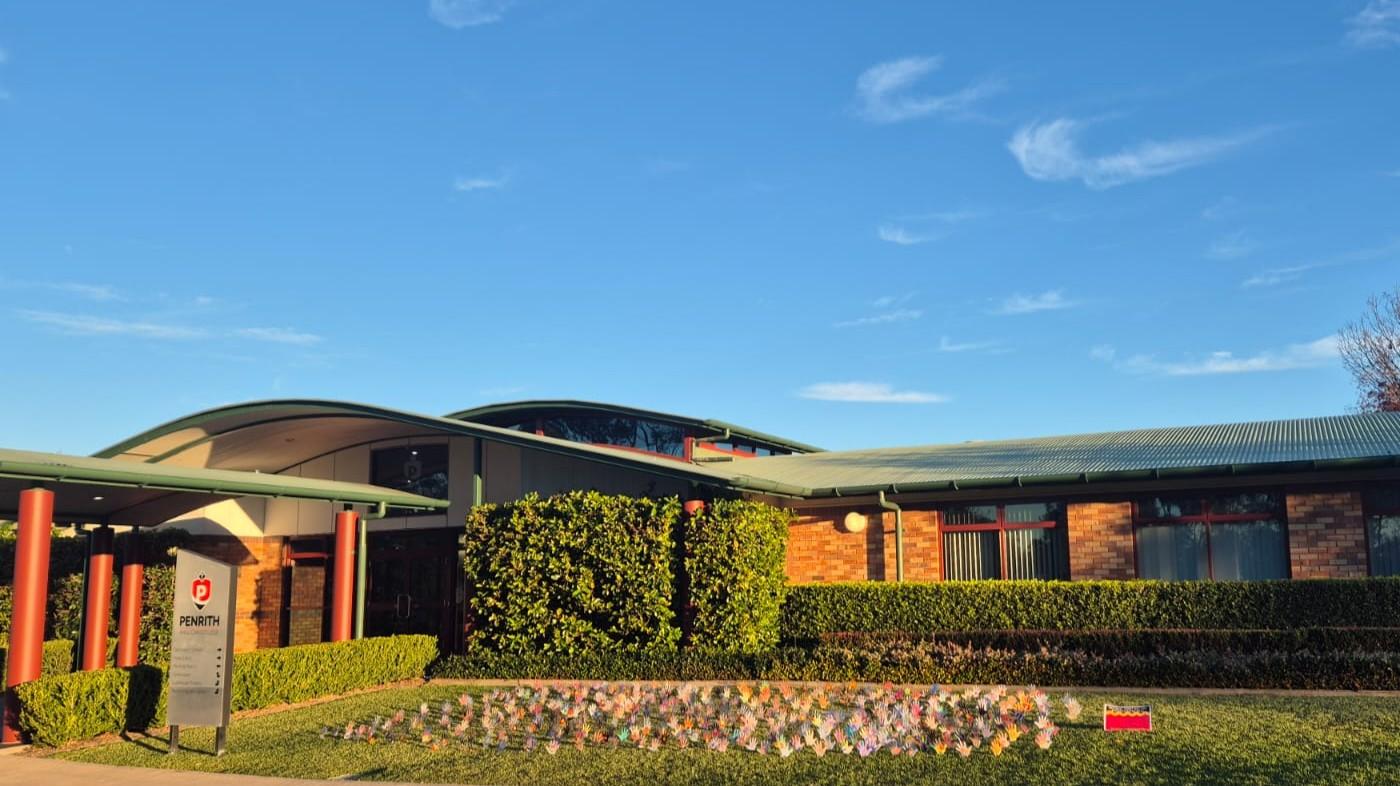
Every hand in this vibrant display was created by our students to mark National Sorry Day and Reconciliation Week. After learning about First Nations history and our shared past, each student decorated a hand as a symbol of saying ‘sorry’ and walking forward together. Together, they form our "Sea of Hands". We proudly acknowledge the Dharug people, the Traditional Custodians of the land on which our school learns and plays. We pay our respects to their Elders past, present, and emerging.
BIG
BIG
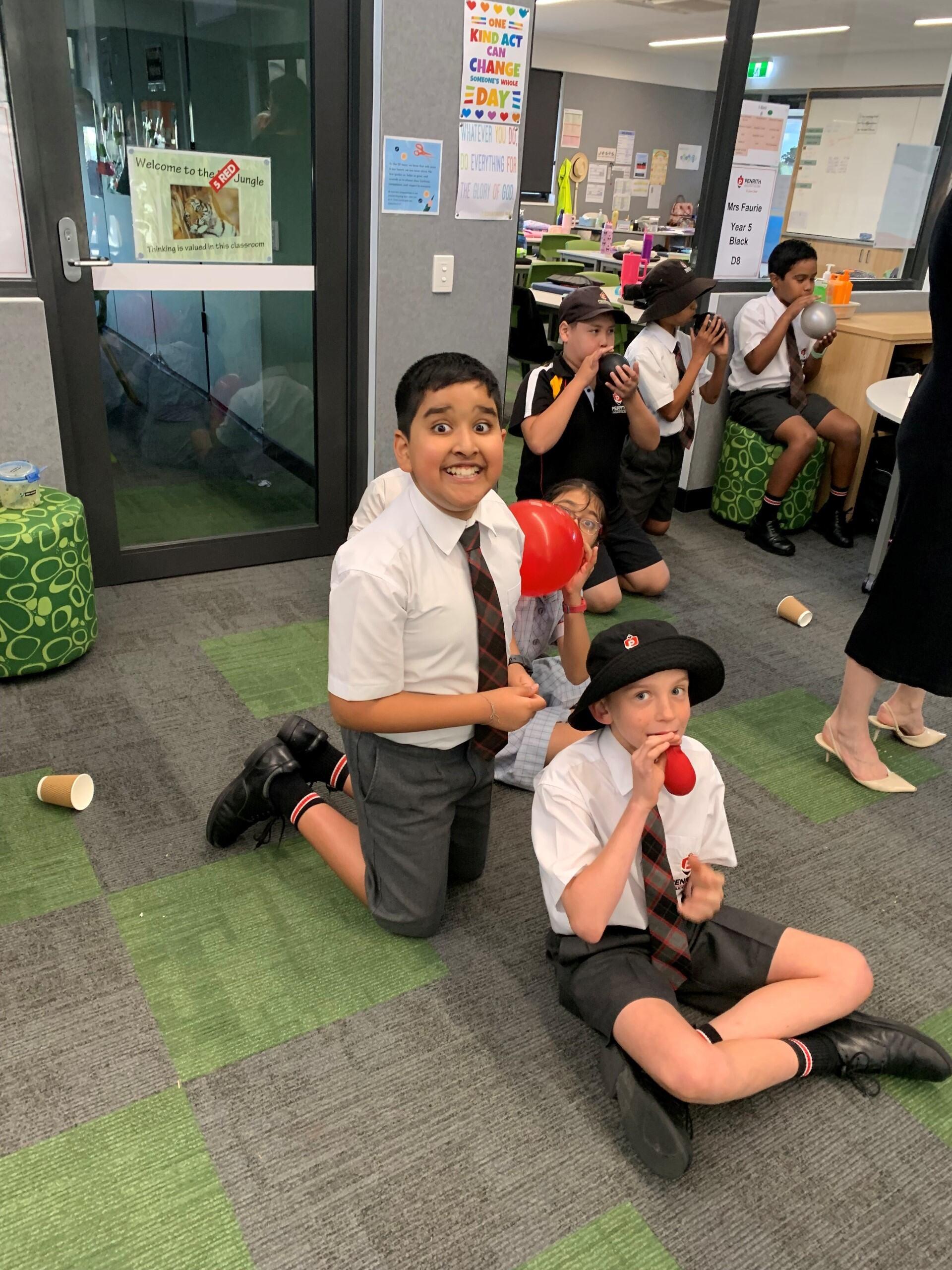
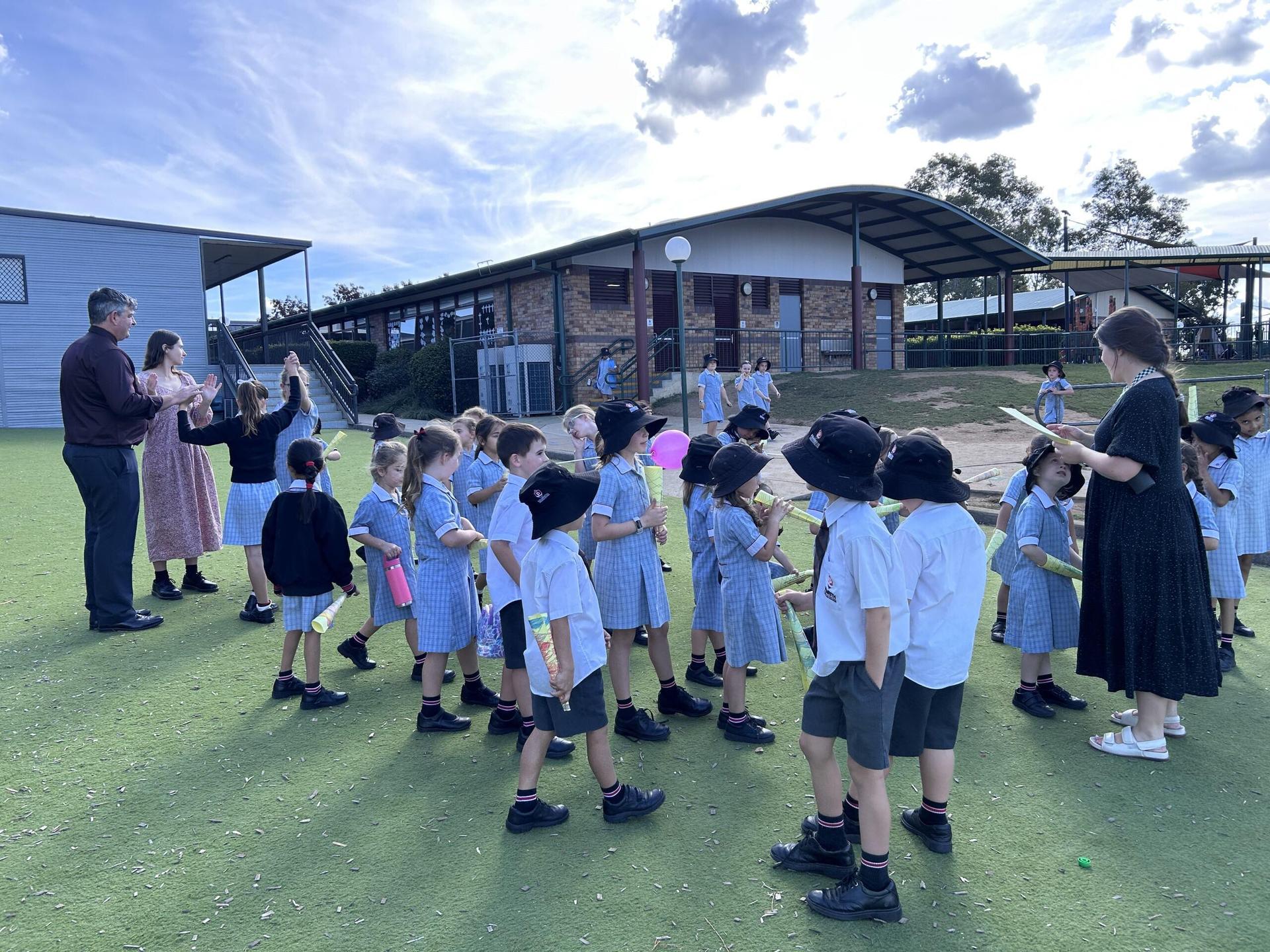
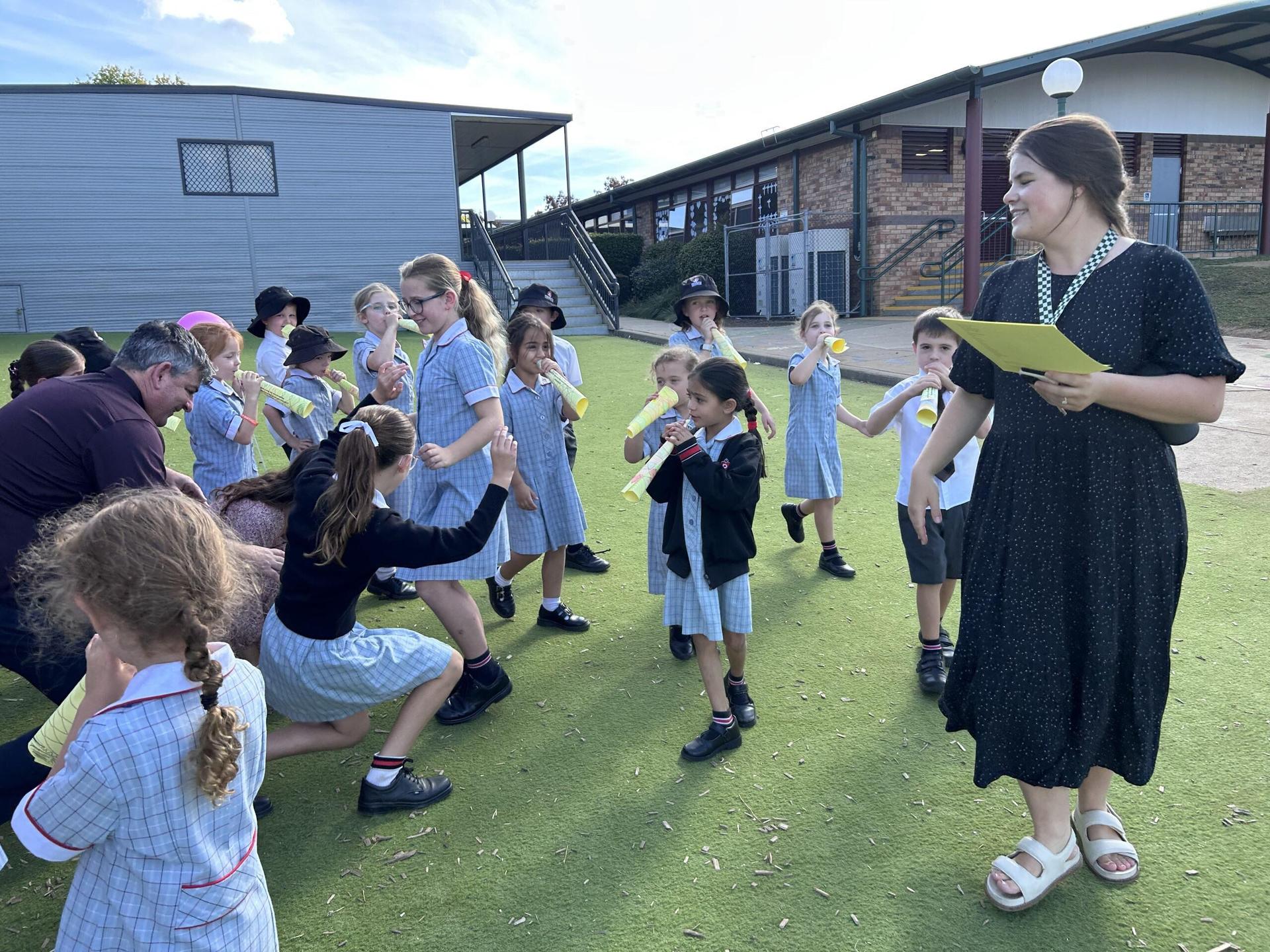
BIG is a Primary lunchtime group for students in K–6, where they explore the Bible while growing in their relationships with peers and with God. BIG runs on Wednesday lunchtimes, with K–2 meeting on The Turf/The Recital Room, and Years 3–6 gathering in Upper D Centre.
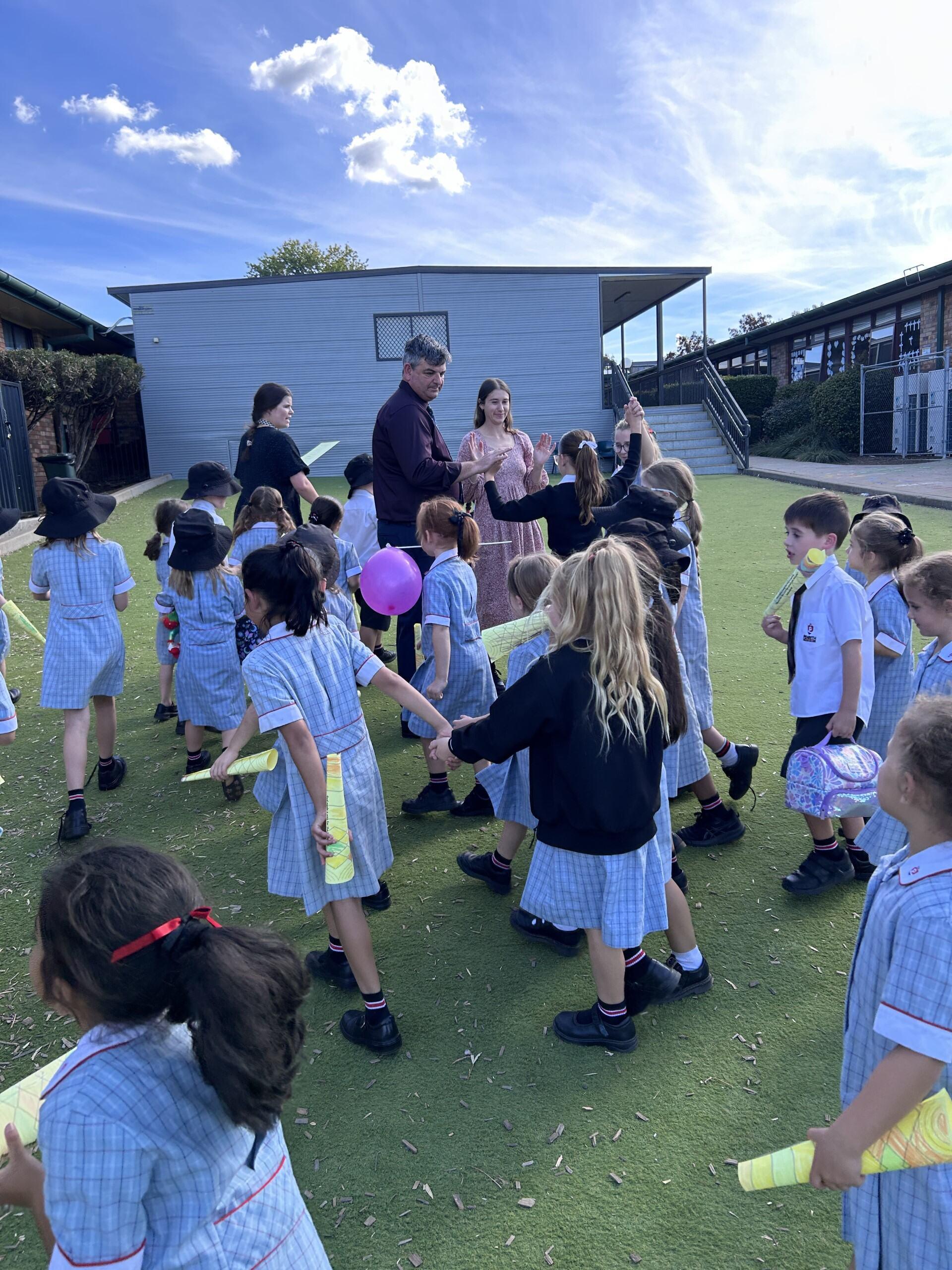
In Week 2, students learned about the story of Jericho (Joshua 1–7), discovering that God is faithful to His promises and that His people are called to trust and obey Him. K–2 students made paper trumpets and acted out the story with Year 5–6 helpers, while Years 3–6 played a game to help reinforce the key ideas.
In Week 3, we had BIG combined with K-6 combined. Tom from CRU visited BIG, and students took part in a treasure hunt while learning about Solomon and how wisdom from God is a great treasure.
We encourage families to ask their children what they’ve been learning at BIG and consider joining in the weeks ahead.
CRU visit Pre-Kindergarten
CRU visit Pre-Kindergarten
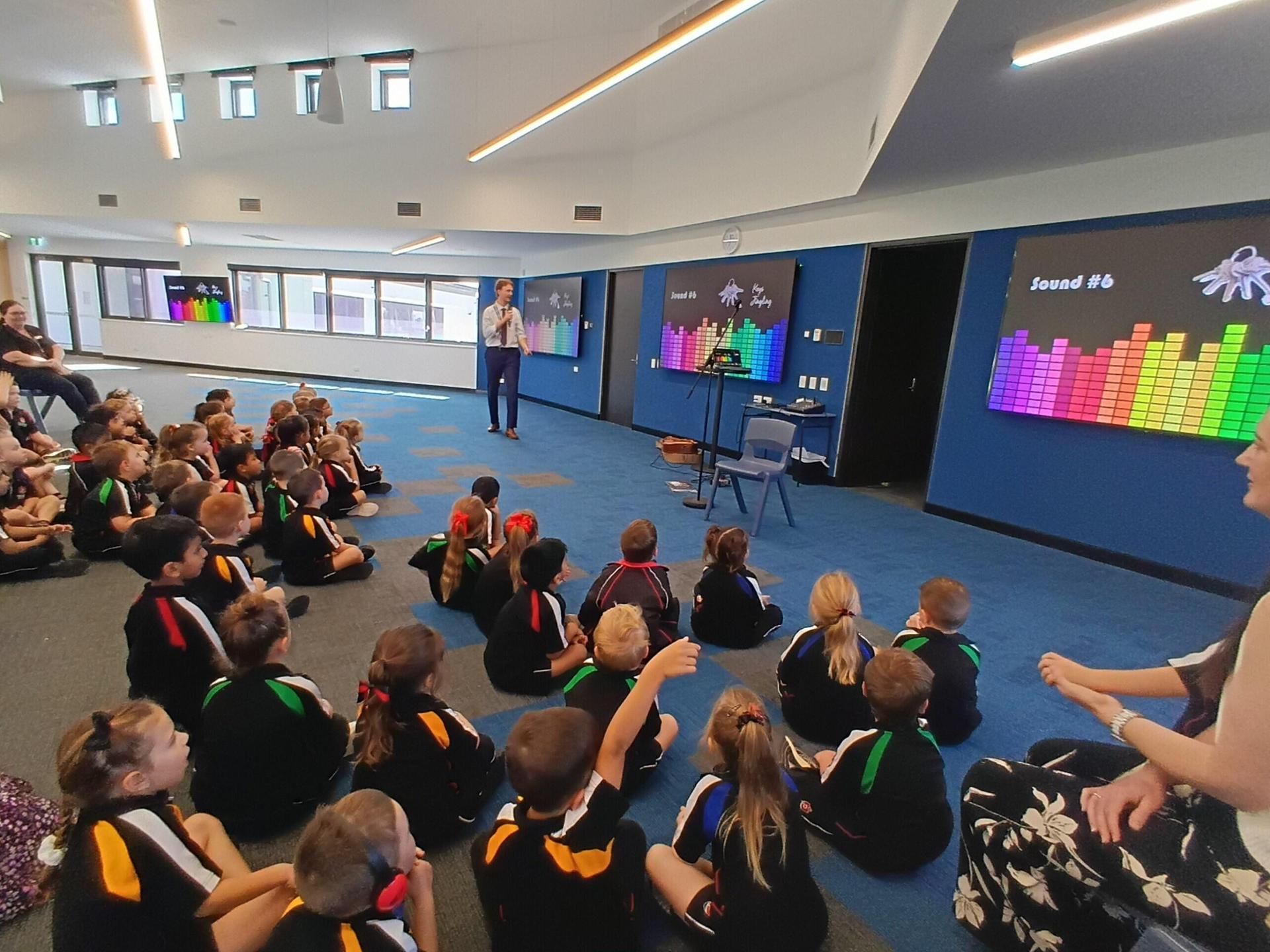
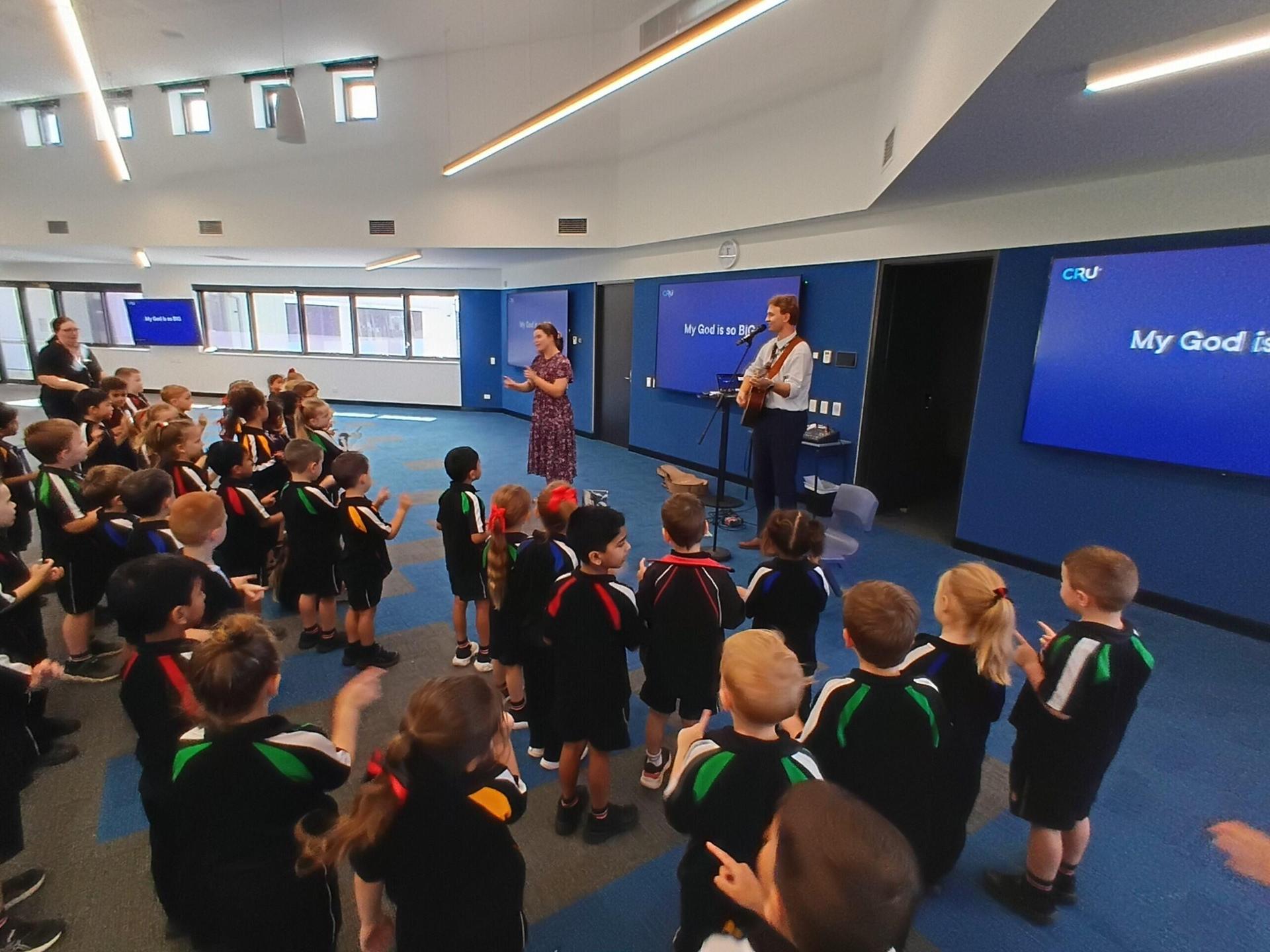
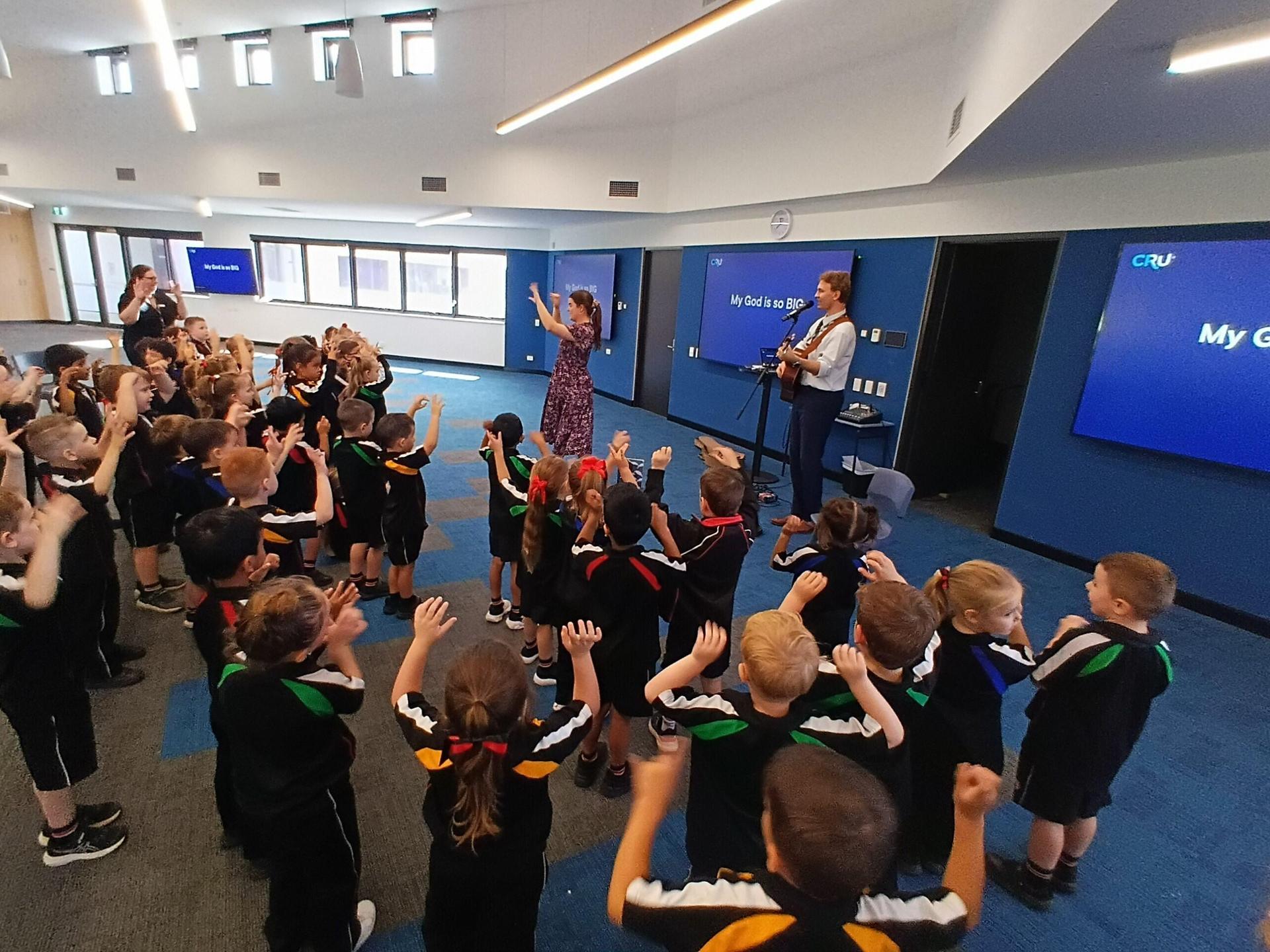
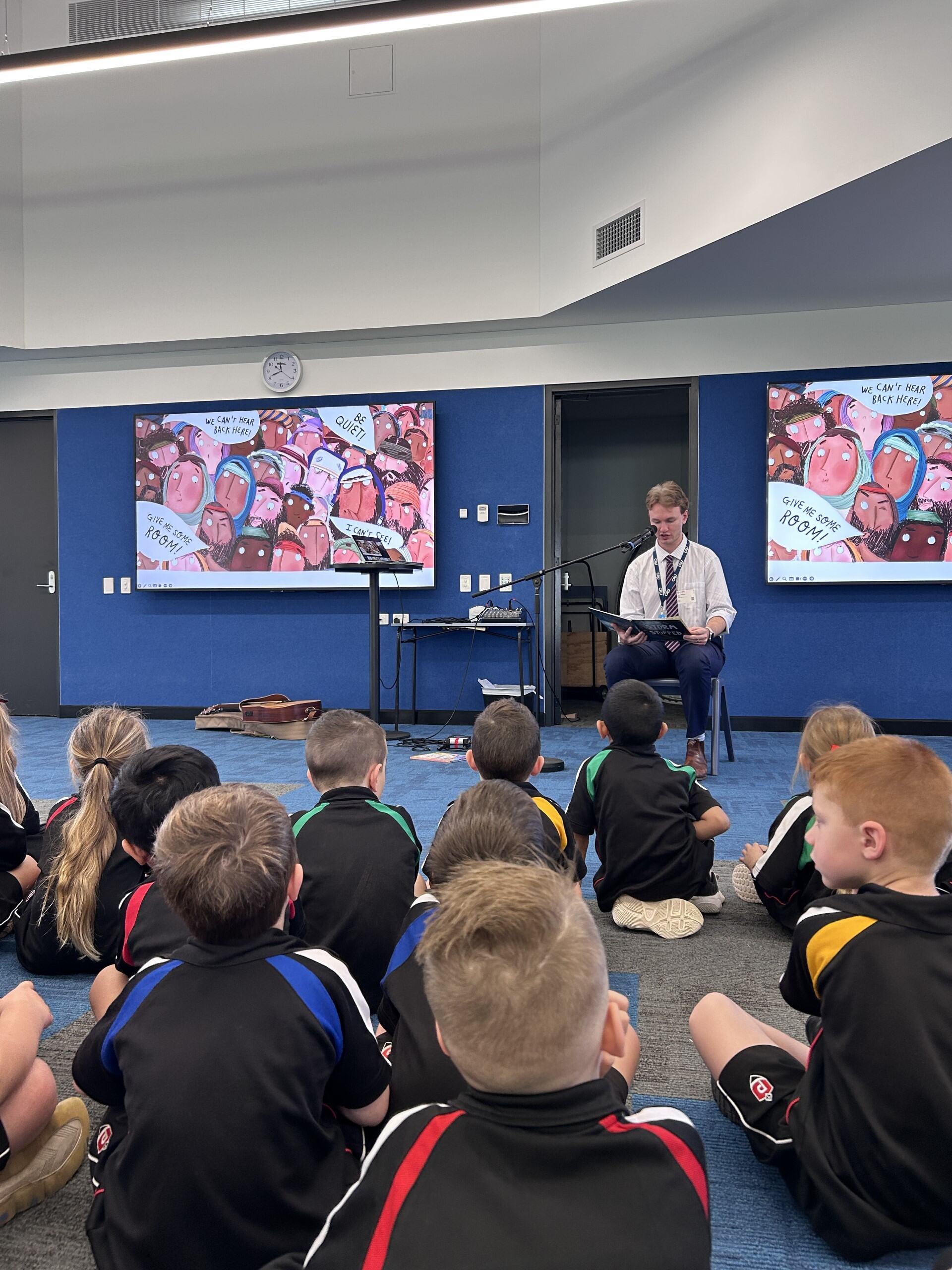
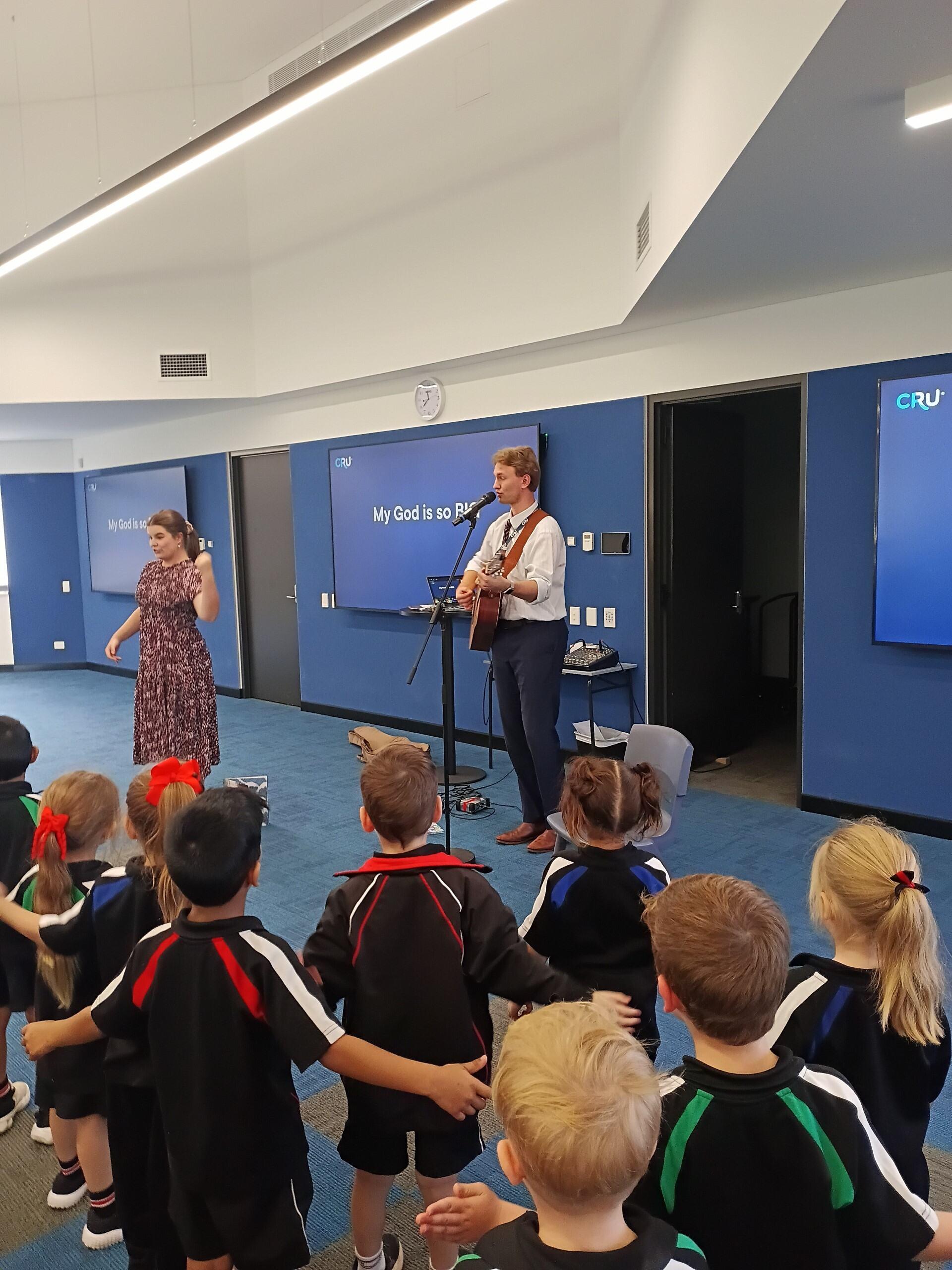
Tom from CRU visited the Pre‑K classes to spend time with students through music, games, and storytelling. CRU is a Christian organisation that runs holiday camps for Kindergarten to Year 12 students and partners with schools in ministry, supporting children and young people to learn about Jesus in engaging, age‑appropriate ways. CRU has an ongoing connection with the College.
During the visit, Tom played Christian songs on the guitar, and the Pre‑K students enthusiastically joined in with the actions and games, singing songs such as “My God Is So Big” and “10, 9, 8, God Is Great.” He also read the Bible story of Jesus calming the storm, helping students learn about Jesus as they sang, acted out the story, and talked together about how Jesus cares for and protects us.
Secondary School
From the Head of Secondary
From the Head of Secondary
In our ever-evolving digital landscape, keeping up with the latest apps and trends can feel like a full-time job. Recently, a new and highly concerning platform called Omoggle (not to be confused with the now shutdown Omogle) has gone viral among teenagers.
What is Omoggle?
Omoggle functions similarly to the now-defunct Omegle by randomly pairing strangers via live video chat, but with a new twist. The site uses facial recognition to scan and score users' faces out of 10 based on specific physical measurements. Users compete against random strangers to see who receives the higher score, a practice known in online slang as "mogging."
The Risks of Omoggle
This platform combines the traditional dangers of stranger-chat apps with new, psychologically harmful trends and the sharing of facial data with an unknown app developer:
- The site's scoring system is based on metrics originating from extreme internet subcultures that encourage an unhealthy obsession with physical appearance. These toxic beauty standards can severely and negatively impact a teenager's view of themselves and others.
- Users are randomly paired with strangers from across the globe with very little moderation, there is a high risk of exposure to inappropriate, explicit, or distressing content, as well as predatory behavior.
- Omoggle actively scans and analyzes users' faces. Handing over biometric facial data to an unverified, third-party platform presents significant privacy and security risks for our young people.
Empowering your child to make smart, safe decisions is the most effective way to protect them online. While it can be tempting to simply ban devices, taking a proactive approach builds long-term trust and keeps communication open, ensuring they don't feel the need to hide their online behavior. Below is four ideas to help create a safe environment for your child to discuss their online behaviour:
-
Foster Open, Non-Judgmental Communication
Create an environment where your child feels safe talking to you about their online experiences without fear of losing their devices. Ask open-ended questions like, "Have you or your friends heard of this new Omoggle site?" or "What do you think about the pressure to look a certain way online?" If they bring a problem to you, thank them for their honesty before addressing the issue. -
Prioritise Education Over Interrogation
Rather than just checking their search history, talk to them about how the internet works. Discuss why anonymous apps are dangerous and explain the manipulative nature of facial-ranking algorithms. When children understand the logical "why" behind your rules and see how these platforms profit from their insecurities, they are much more likely to avoid them. -
Establish Clear Boundaries and set Tech Controls
Work with your child to create a family media agreement. Set clear rules about where devices can be used, for example, encouraging phone usage only in shared living spaces rather than behind closed bedroom doors, charge phones at night in a common space and utilise parental control software and your home router to provide more child friendly internet in your home. -
Model Healthy Digital Habits
Children learn by observing us. Demonstrate good digital citizenship by putting your own phone away during meals and conversations. Show them what a balanced relationship with technology looks like, and actively discuss how you handle your own privacy, self-image, and security online.
Navigating the online world is a team effort. By staying informed and maintaining an open dialogue, we can work together to ensure our students enjoy the benefits of technology while staying safe from its risks.
There are a number of additional resources for supporting families as they have these important conversations at www.childsafety.gov.au and specifically for teenagers at https://www.childsafety.gov.au/having-conversations/having-conversations-children-and-young-people/teenagers

UNSW Outreach Materials Excursion
UNSW Outreach Materials Excursion
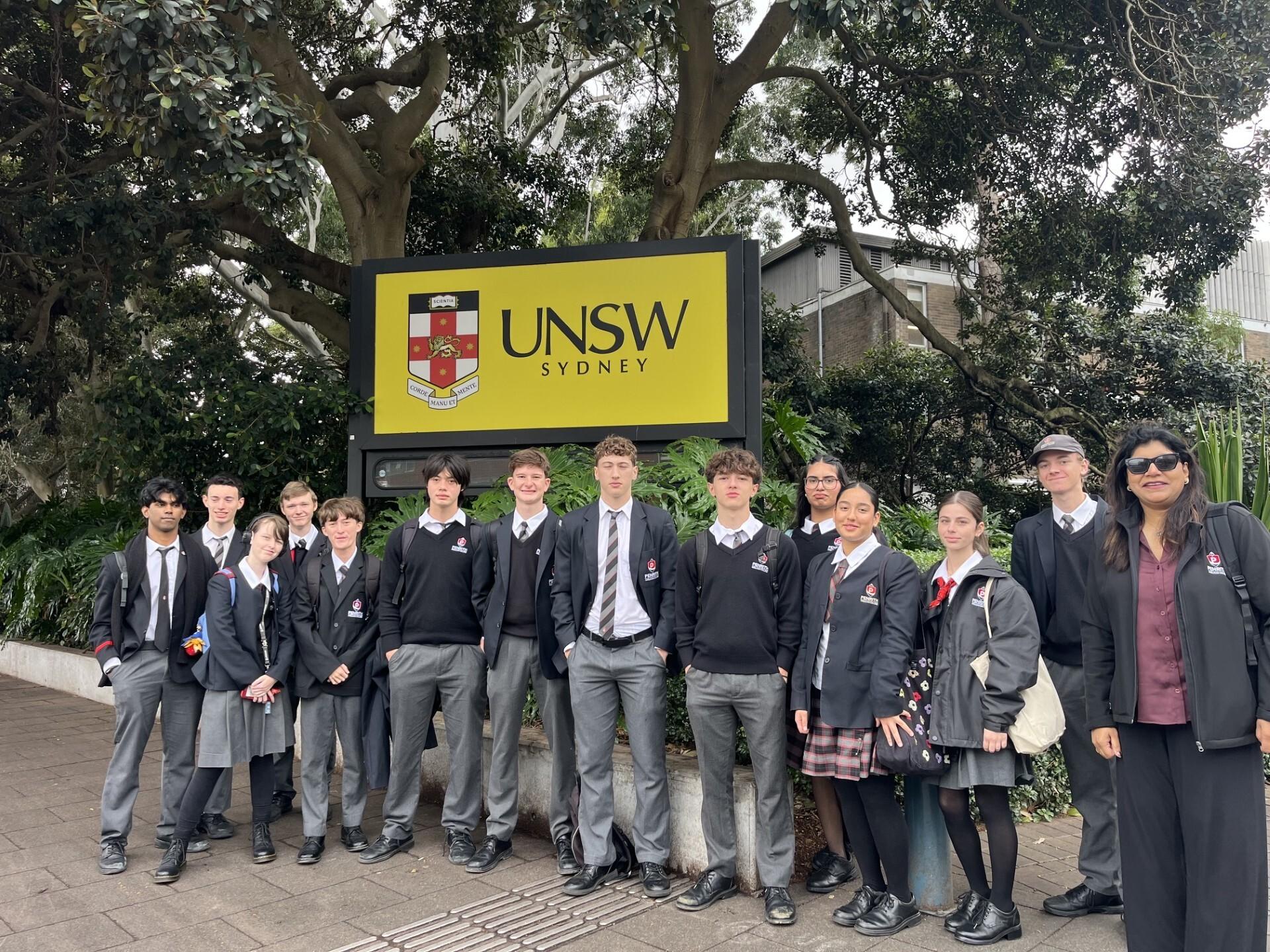
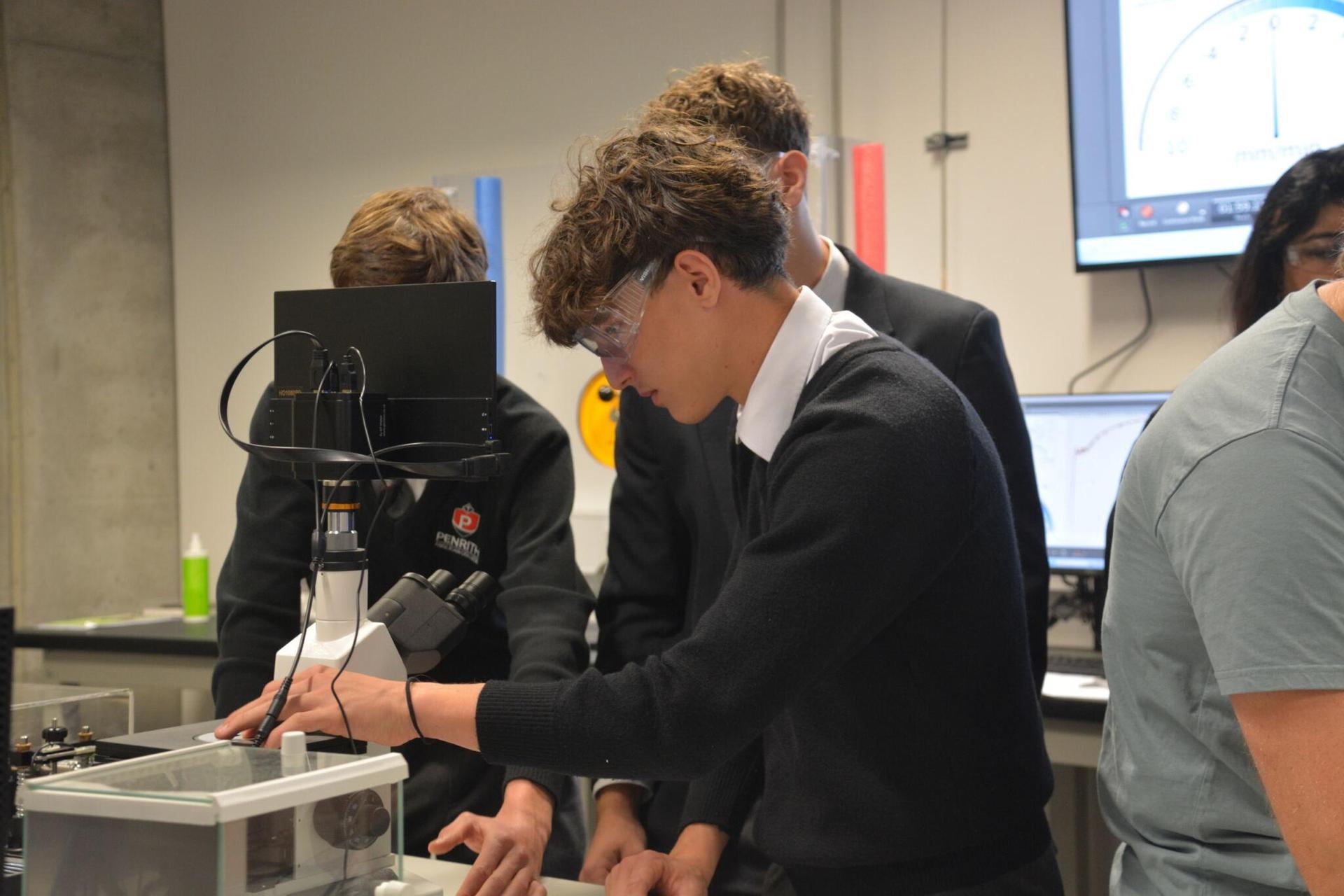
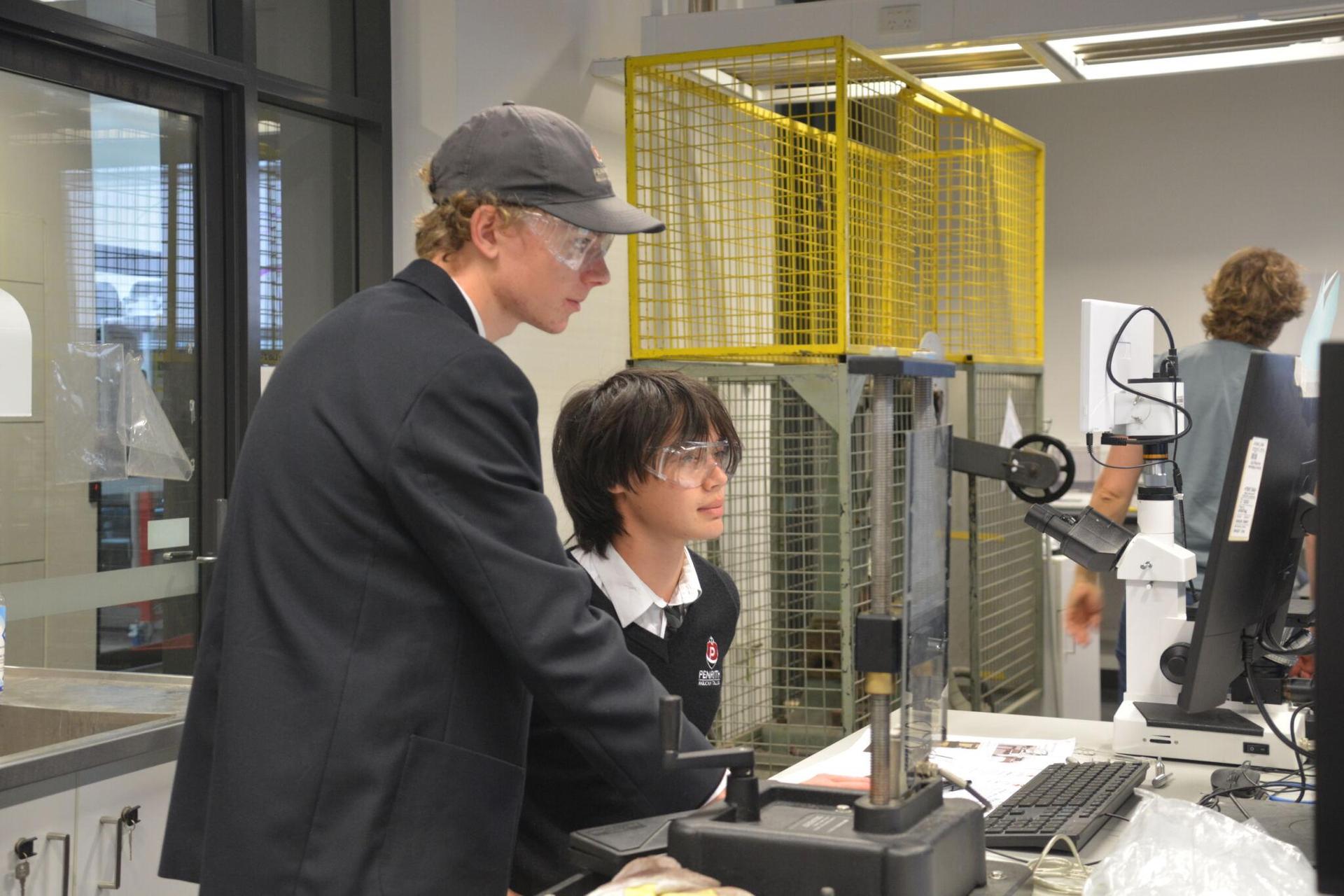
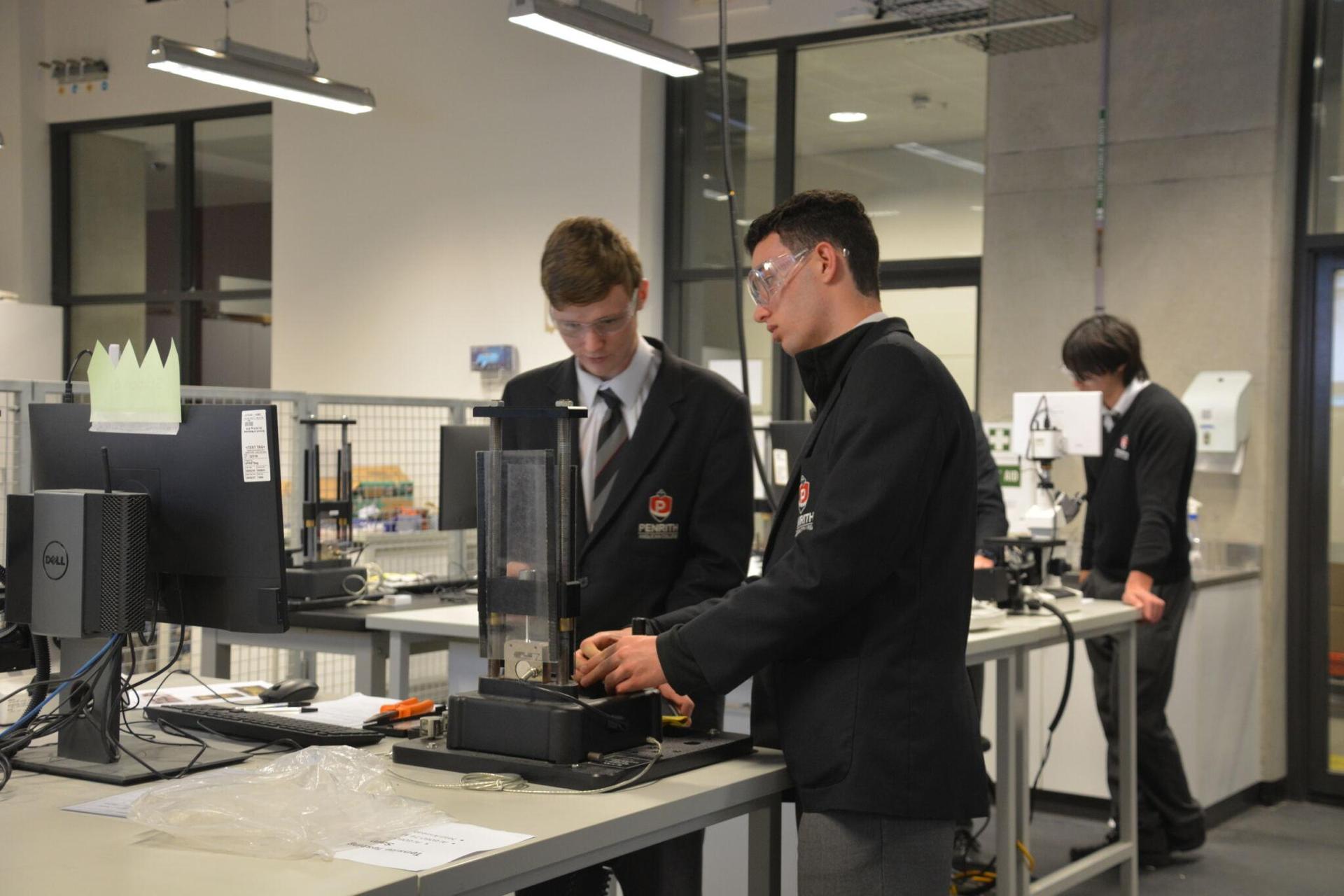
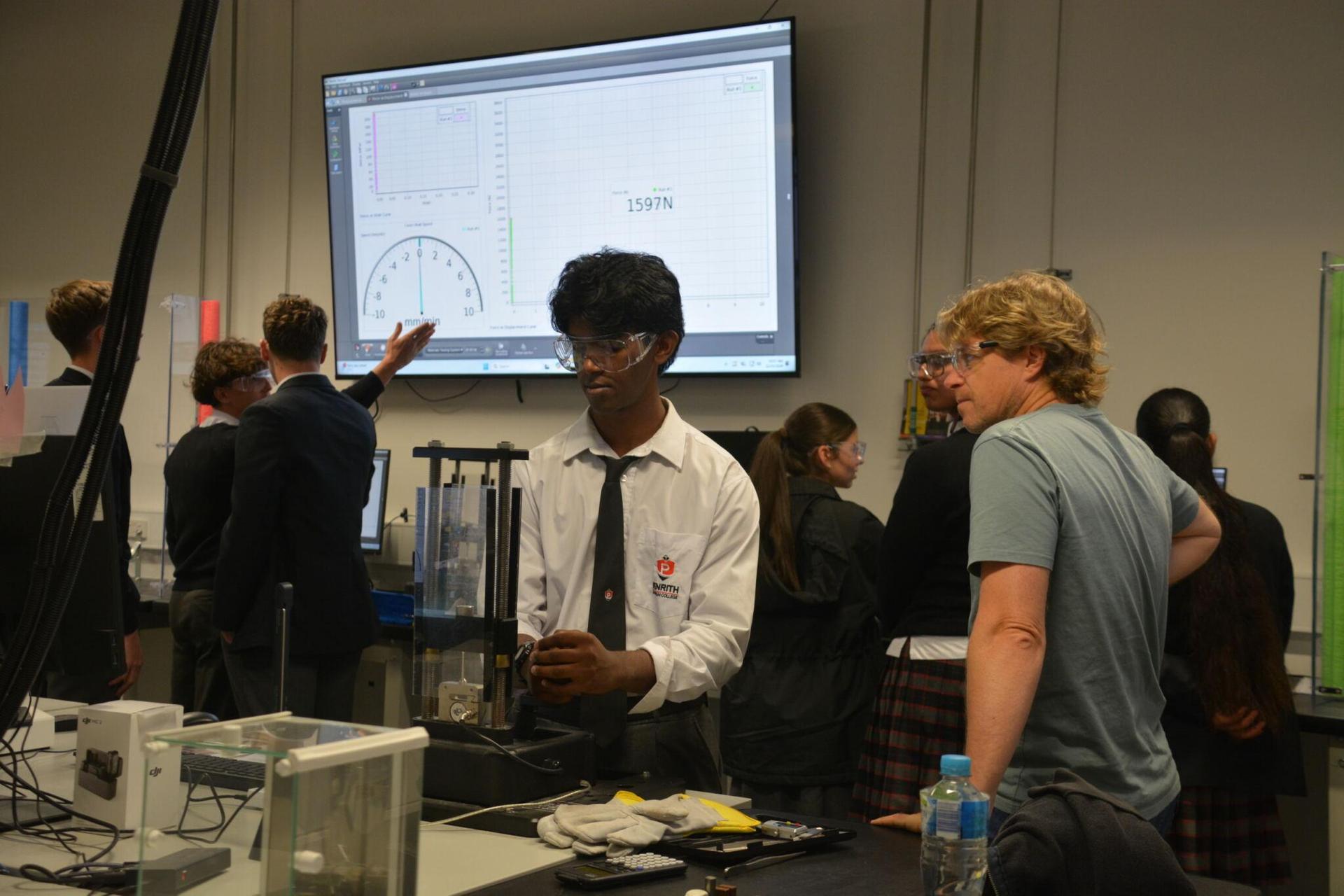
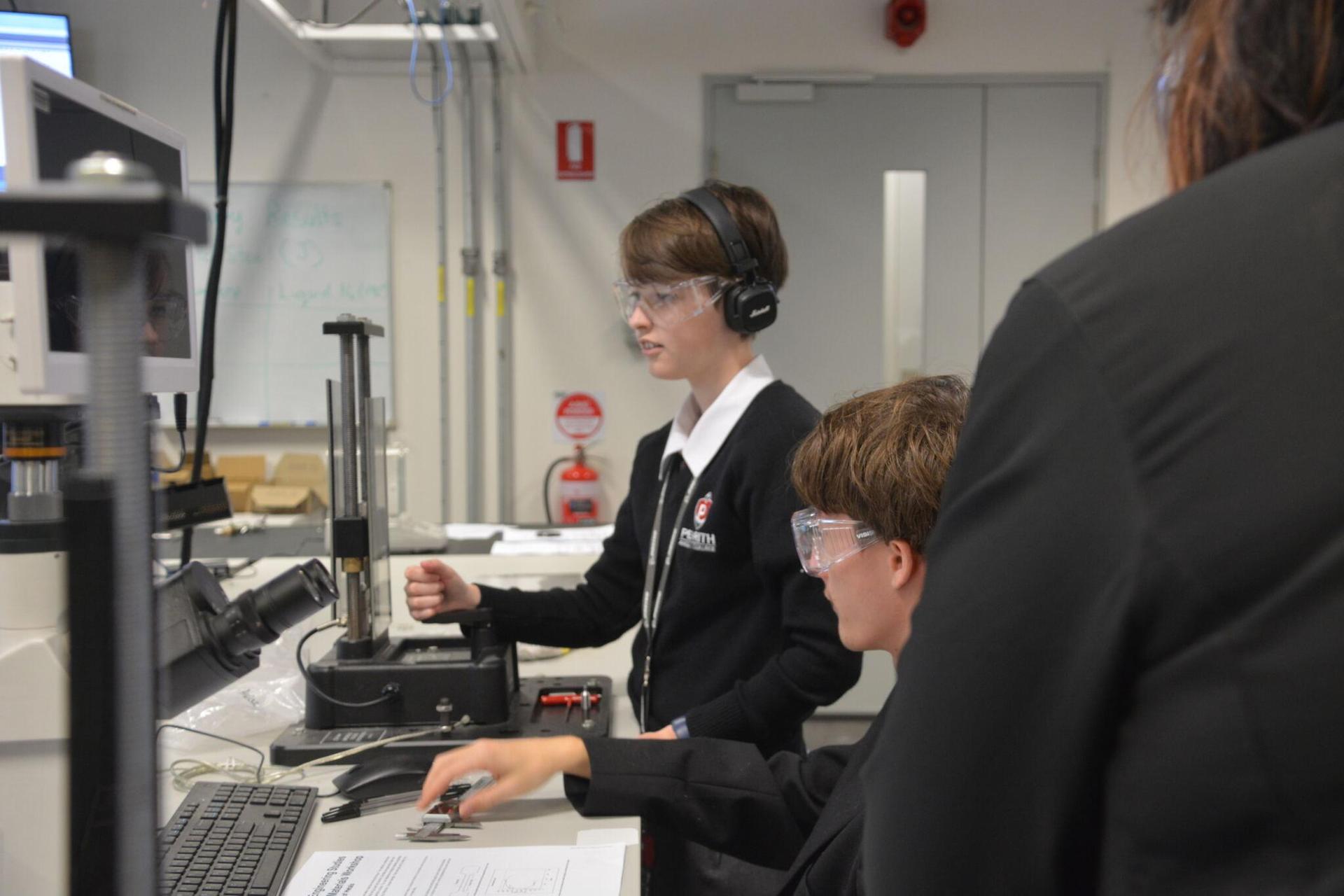
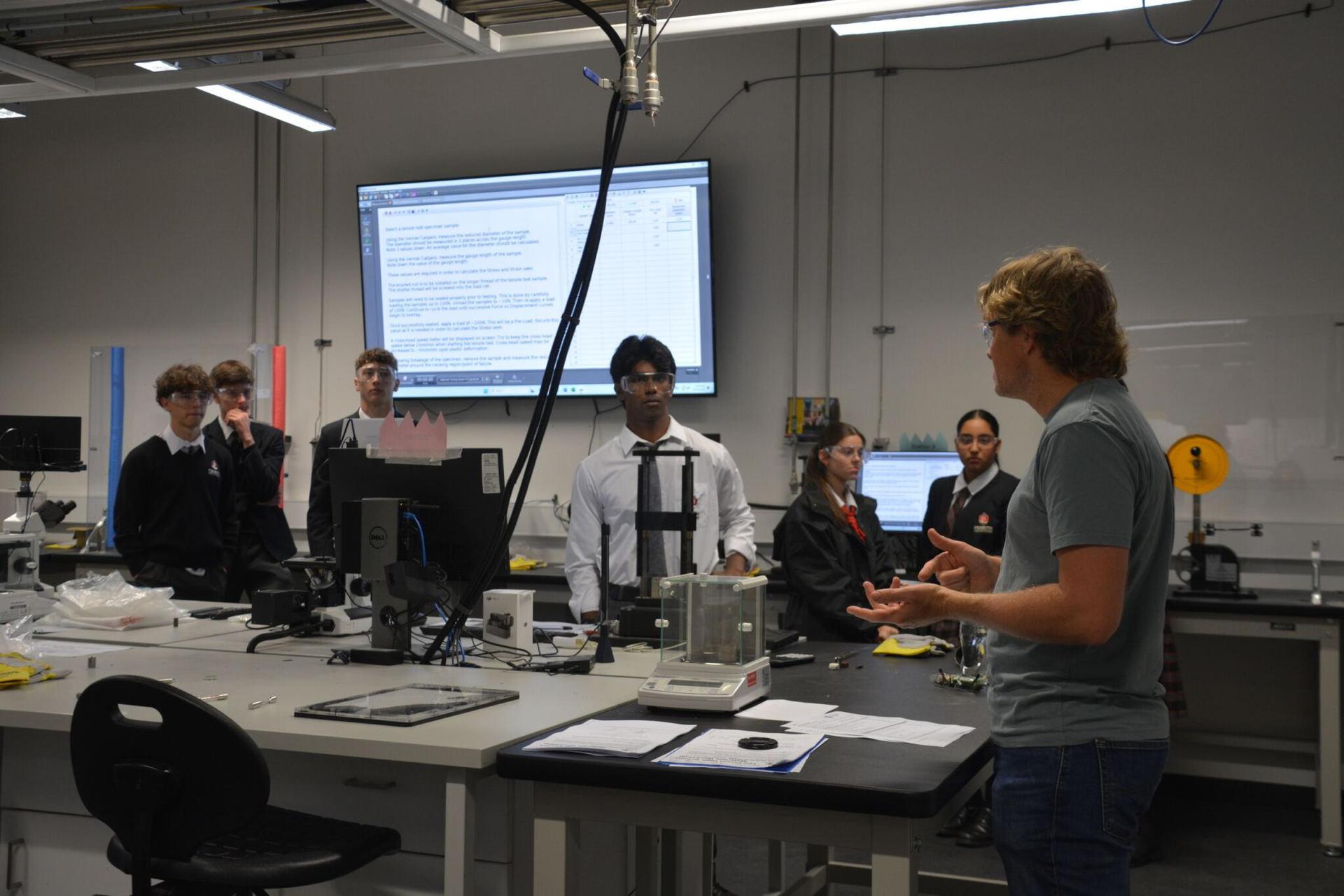
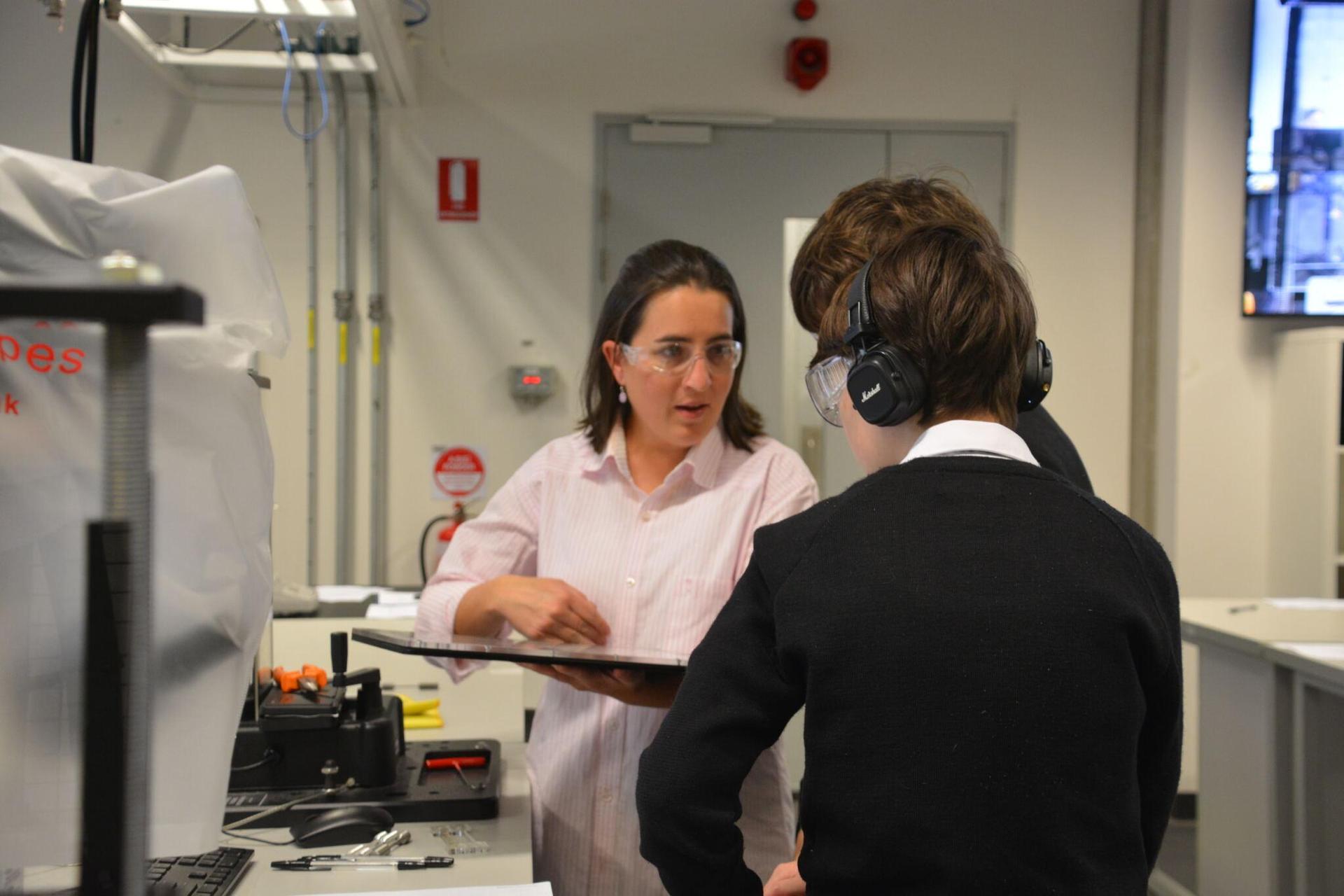
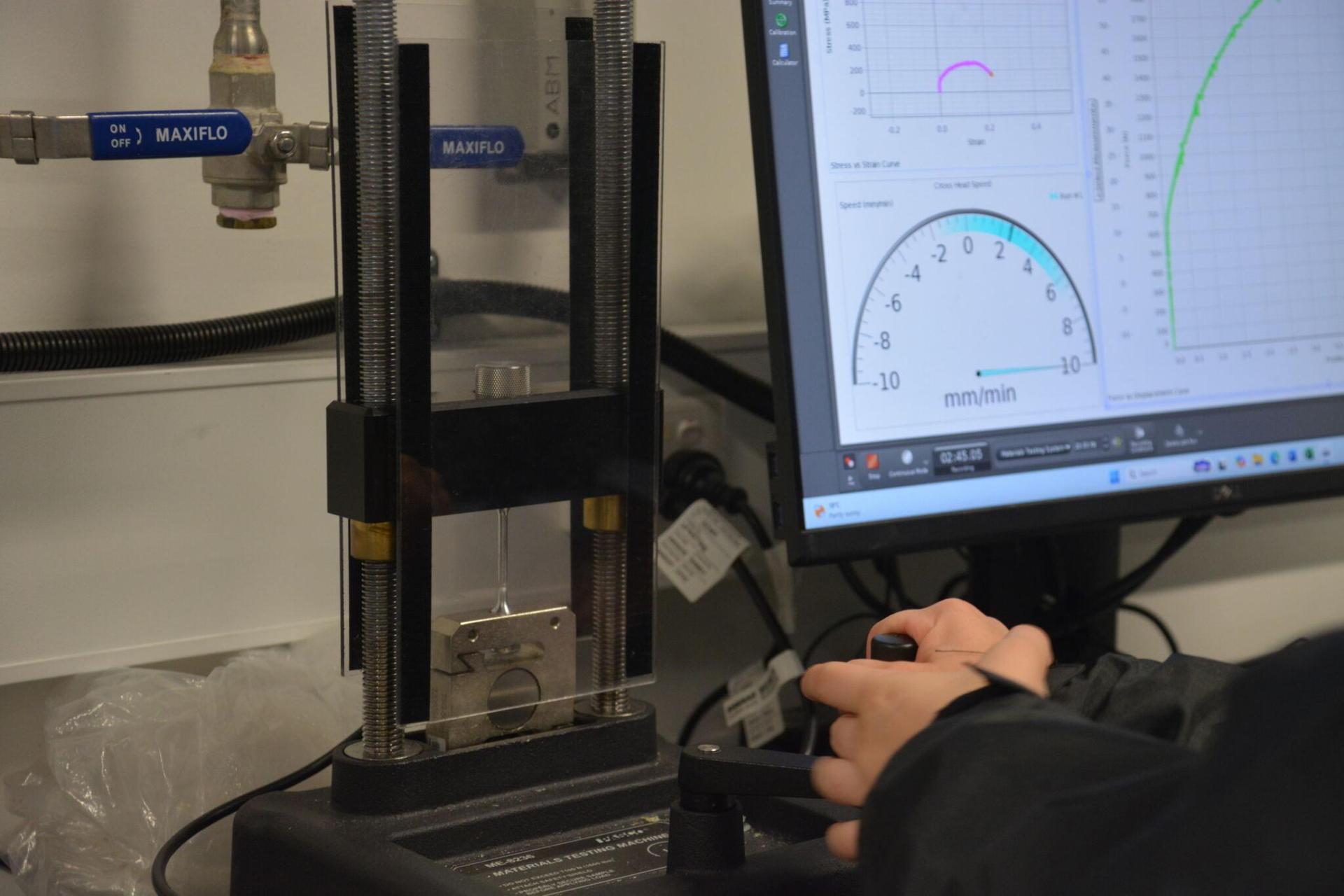
The Year 11–12 Engineering Studies students recently visited the School of Materials Science and Engineering at UNSW, taking part in a series of hands‑on laboratory sessions. Students conducted tensile testing on metal samples to investigate strength and elasticity, and used optical microscopes to examine microstructures and understand how internal material features influence performance.
They also attended an engaging seminar highlighting the vital role of materials engineering in industries such as aviation, automotive, mining and biomedical design. In addition to the academic sessions, students had the opportunity to explore the UNSW campus facilities, gaining a sense of university life and the learning environments available to future engineering students.
This excursion provided valuable insight into real‑world engineering applications and offered an inspiring look at potential pathways in tertiary study.
History Extension Excursion to the Sydney Writers’ Festival
History Extension Excursion to the Sydney Writers’ Festival
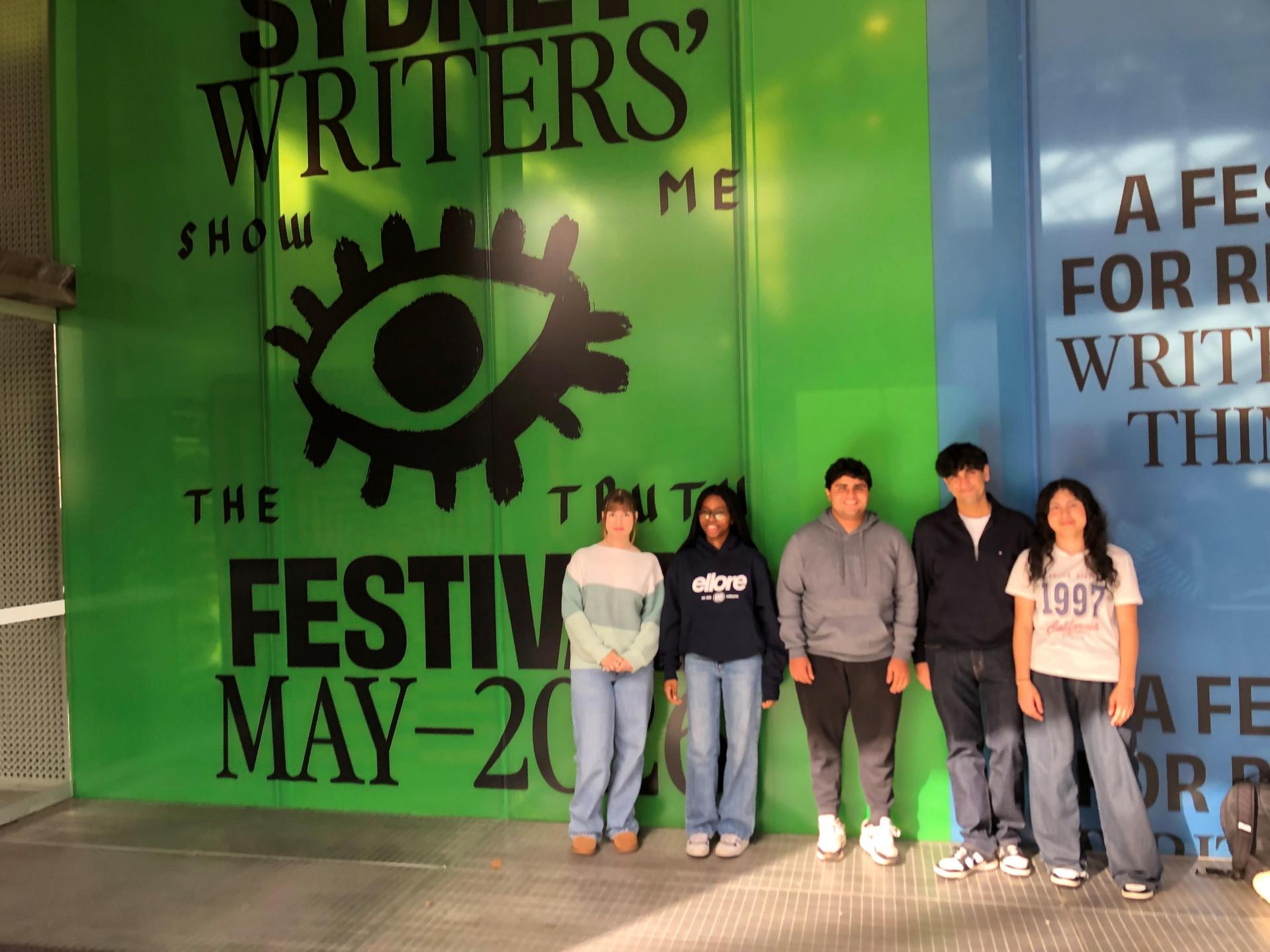
On Saturday May 23, some students from the History Extension and English Extension 2 classes headed into Carriageworks in Eveleigh to view a session of the Sydney Writers’ Festival. Possibly the youngest audience members by over a decade, they were engaged by an interview with Amitav Ghosh, who has written over 20 books, ranging from novels to essays, non-fiction history to poetry. Ghosh outlined how his writing was shaped by many things, from his early career in journalism and keen interest in the politics of India under Indira Gandhi’s dictatorship, to his study of anthropology and travel to many different societies, his interest in western Science’s relationship with other ways of knowing, current issues around climate change and its ability to be represented in literature, his keen interest in different registers of languages, and unexplained phenomena such as past lives. History Extension students were particularly interested in his representation of the impact of the nineteenth century Opium Wars on peoples from many different places and stations as represented in postcolonial historical fiction in the Ibis Trilogy and non-fiction history in Smoke and Ashes . Rephrasing Auden’s statement on the importance of writing for developing understanding, Ghosh assented to the interviewer’s truism: “How can I know what I think ‘til I see what I write?”
Year 9 Music Excursion
Year 9 Music Excursion
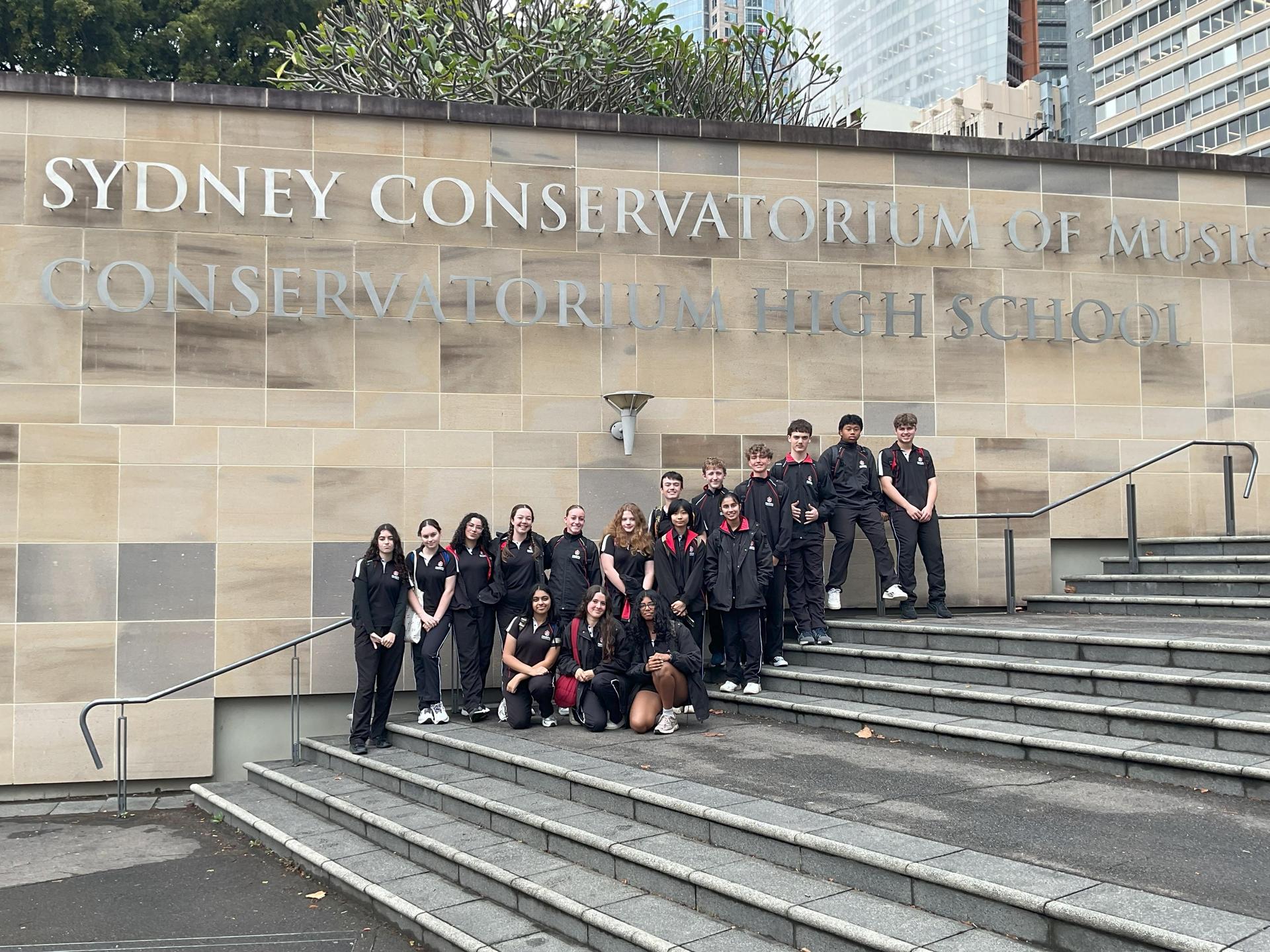
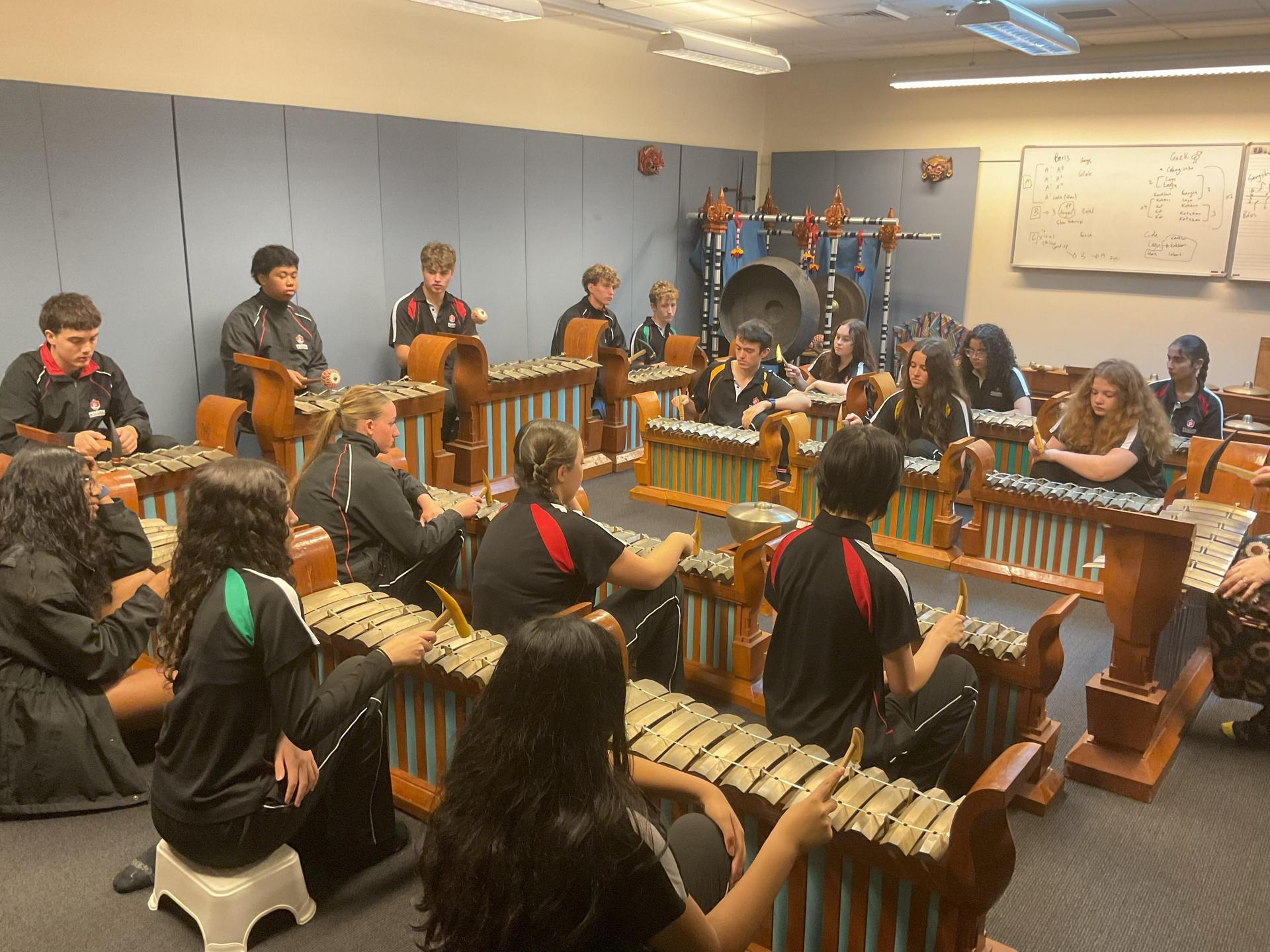
On Friday 22 May, our Year 9 Elective Music students headed off to the Sydney Conservatorium of Music. This vibrant excursion was a highlight of their Term 1 topic, Soundtracks of the Soul, a study of music influenced by belief and purpose.
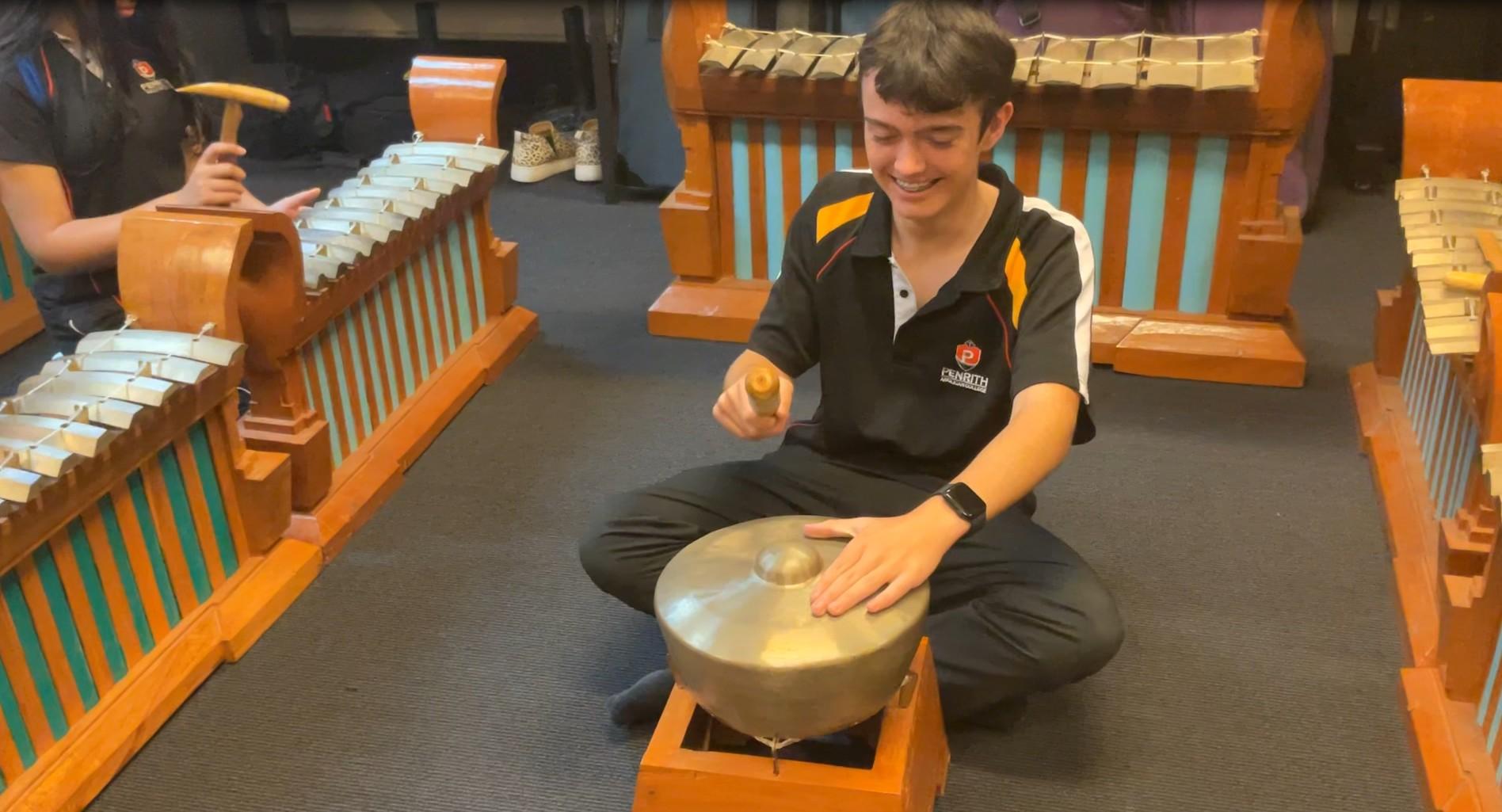
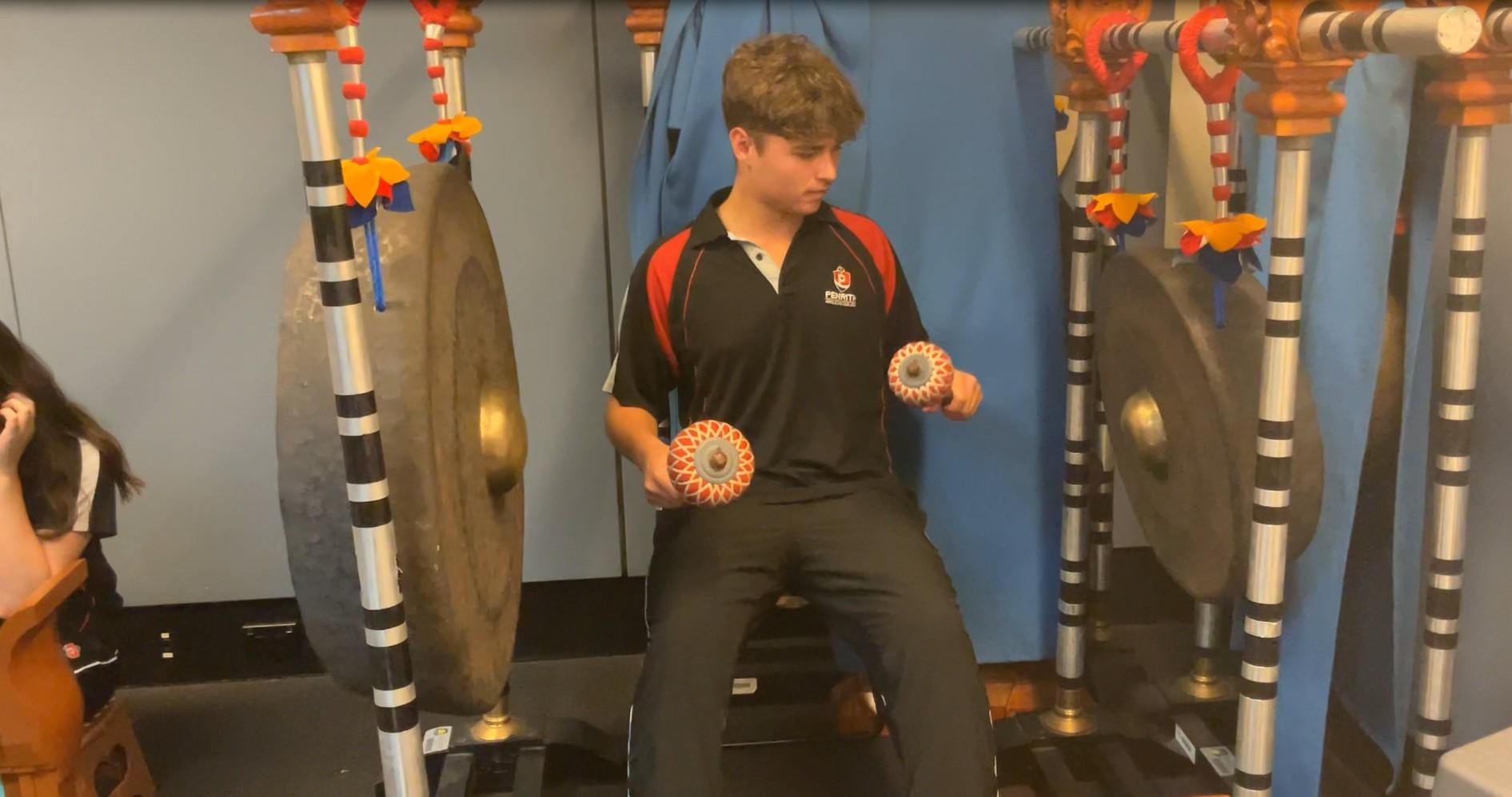
The interactive workshop offered a hands-on experience of traditional Balinese Gamelan, an Indonesian term that refers to an ensemble of gongs, metallophones, xylophones, and other percussion. During the session, our students playing on the Conservatorium’s beautiful, traditional Gamelan set and learnt to play intricate rhythms, complex melodies and instrumental techniques. The workshop explored the vital role Gamelan music plays in the daily life and celebrations of Balinese society. Students also participated in a tour of the Conservatorium, exploring the history of the building and many resources available to its students.
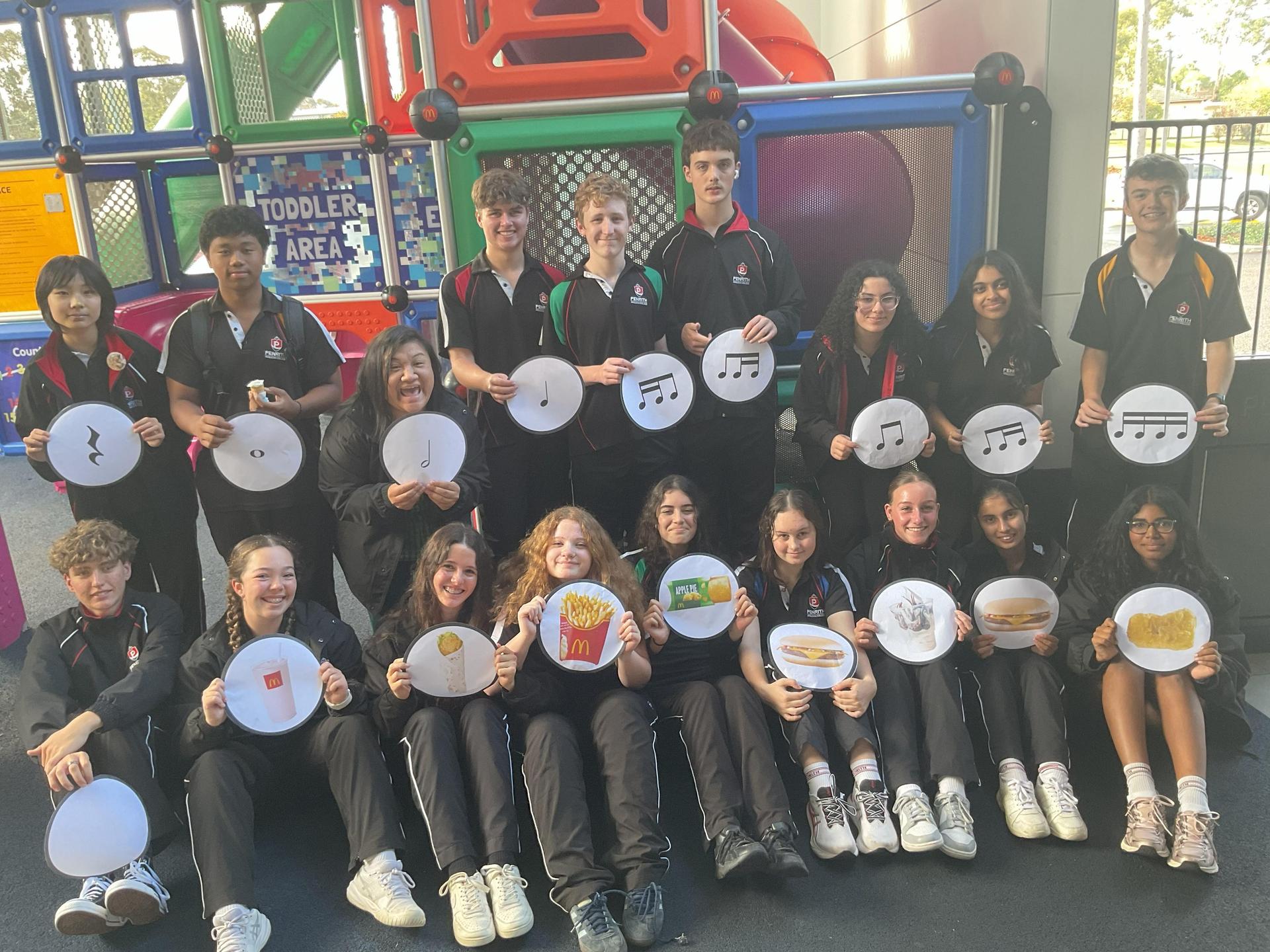
In addition to a fun ride into town with ‘Bus Karaoke’, morning tea and a photoshoot in the Royal Botanical Gardens, and a ‘rhythmic’ stopover at McDonalds for lunch, our students were able to develop an appreciation for the beautiful diversity of music from other cultures around the world. We are incredibly proud of how thoughtfully they engaged with this rich cultural tradition.
A sincere thanks to Mr Joseph Lisk who came along to accompany, sing and jam with our students. We were blessed to have our Sydney Conservatorium alumni share his experience and time with us!
I learnt how to play different Balinese instruments and different styles of playing them, such as damping notes, playing interlocking melodies, and using pentatonic scales to create music. I recommend doing Music as an elective because you get to discover your passions! – Olivia
The music excursion impacted me by giving a visual representation of how musicians study and play after high school. I really enjoyed playing together and making music as a class…The day was a great way to experience and learn new musical skills and to see how much music can impact people's lives. Would definitely do it again! – Jack
Mrs Irene Samuels – Music Teacher
Faculty News
News from the Library
News from the Library
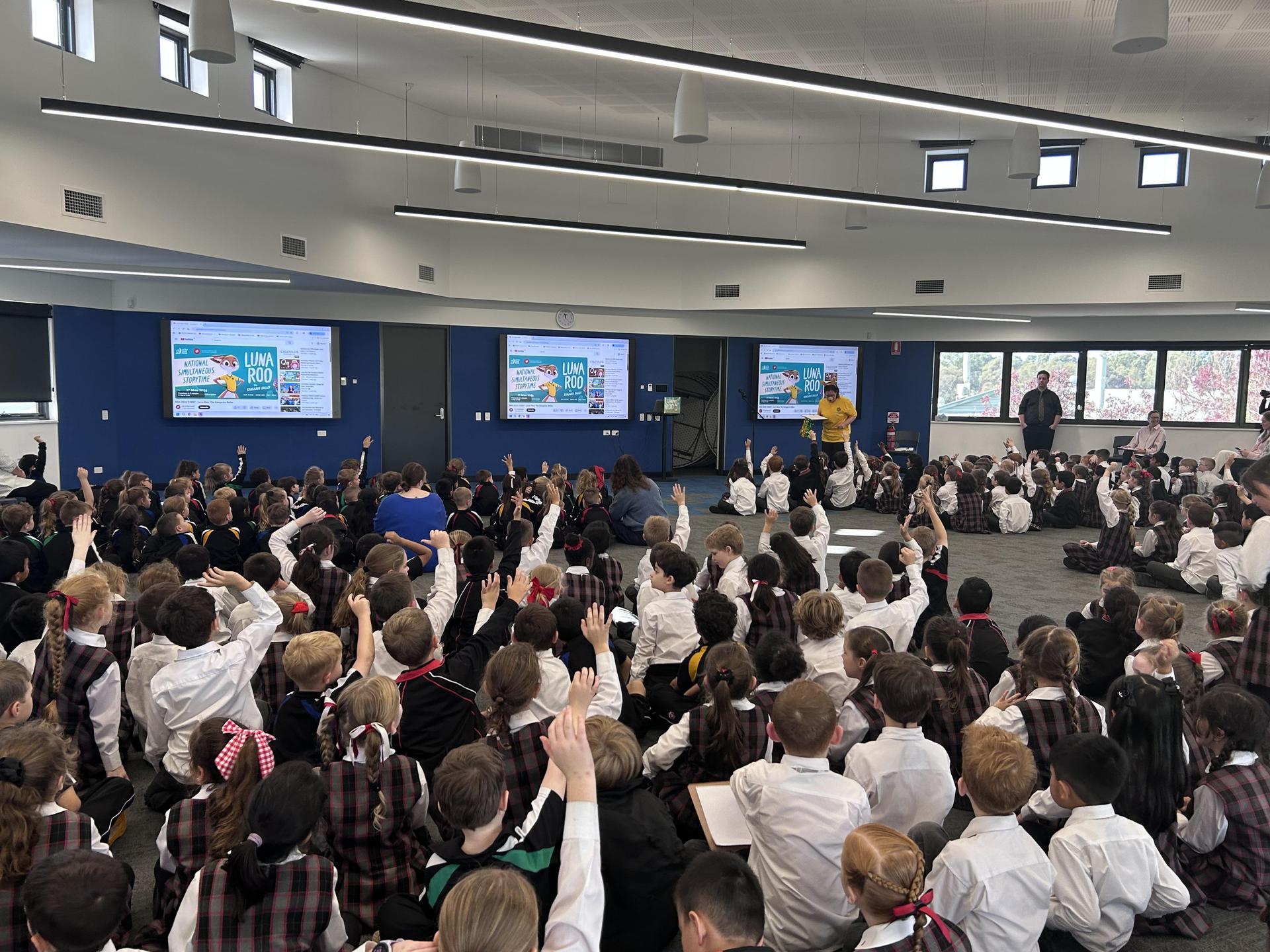
National Simultaneous Storytime
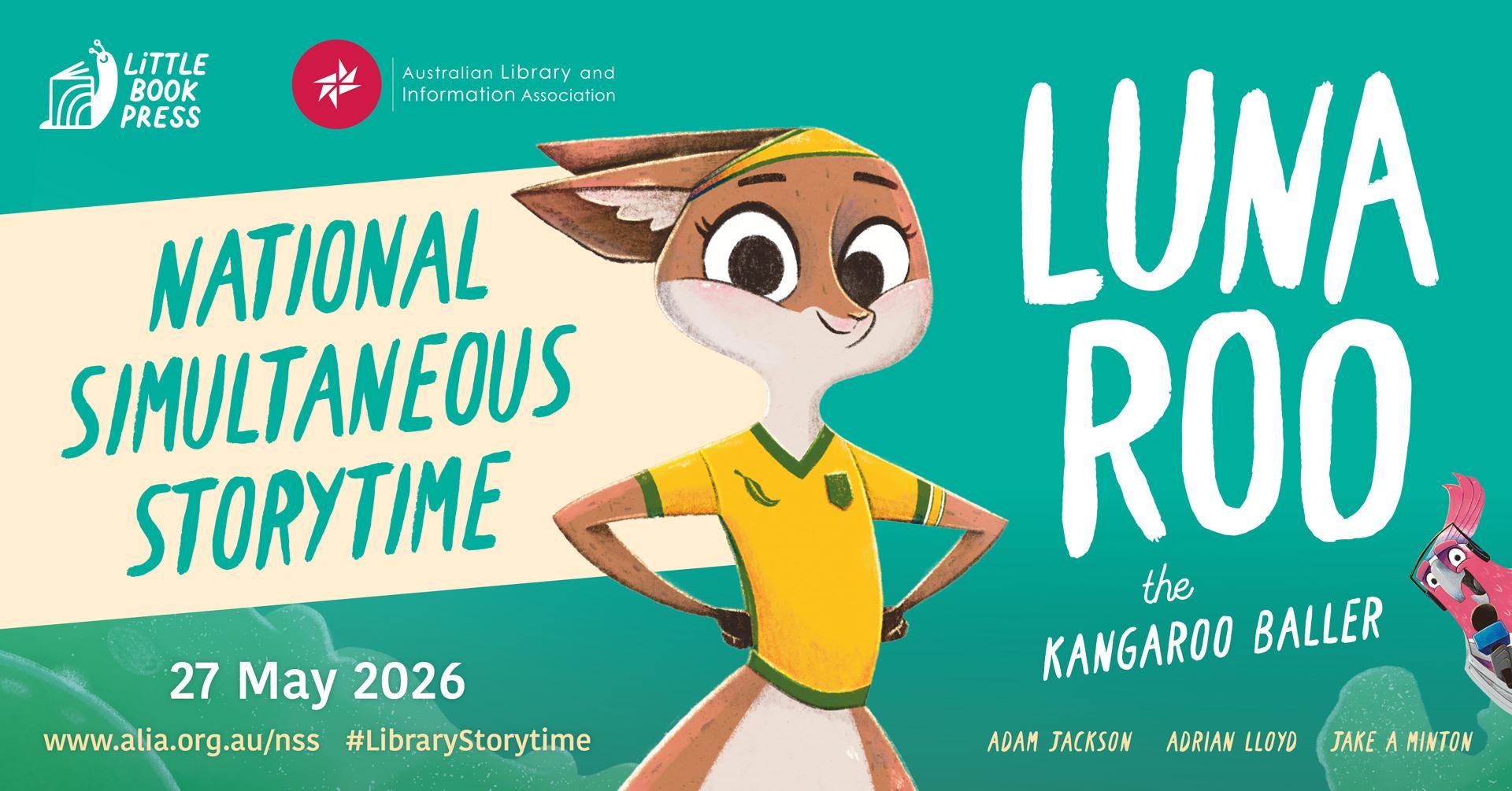
On Wednesday 27 May 2026 at 12.00 pm AEST, PAC Students in Years Pre K to Year 2 joined millions of children, parents, teachers, and library lovers across Australia and beyond who came together to read Luna Roo at the same time — celebrating the joy of reading, storytelling and connection.
Annual Book Parade
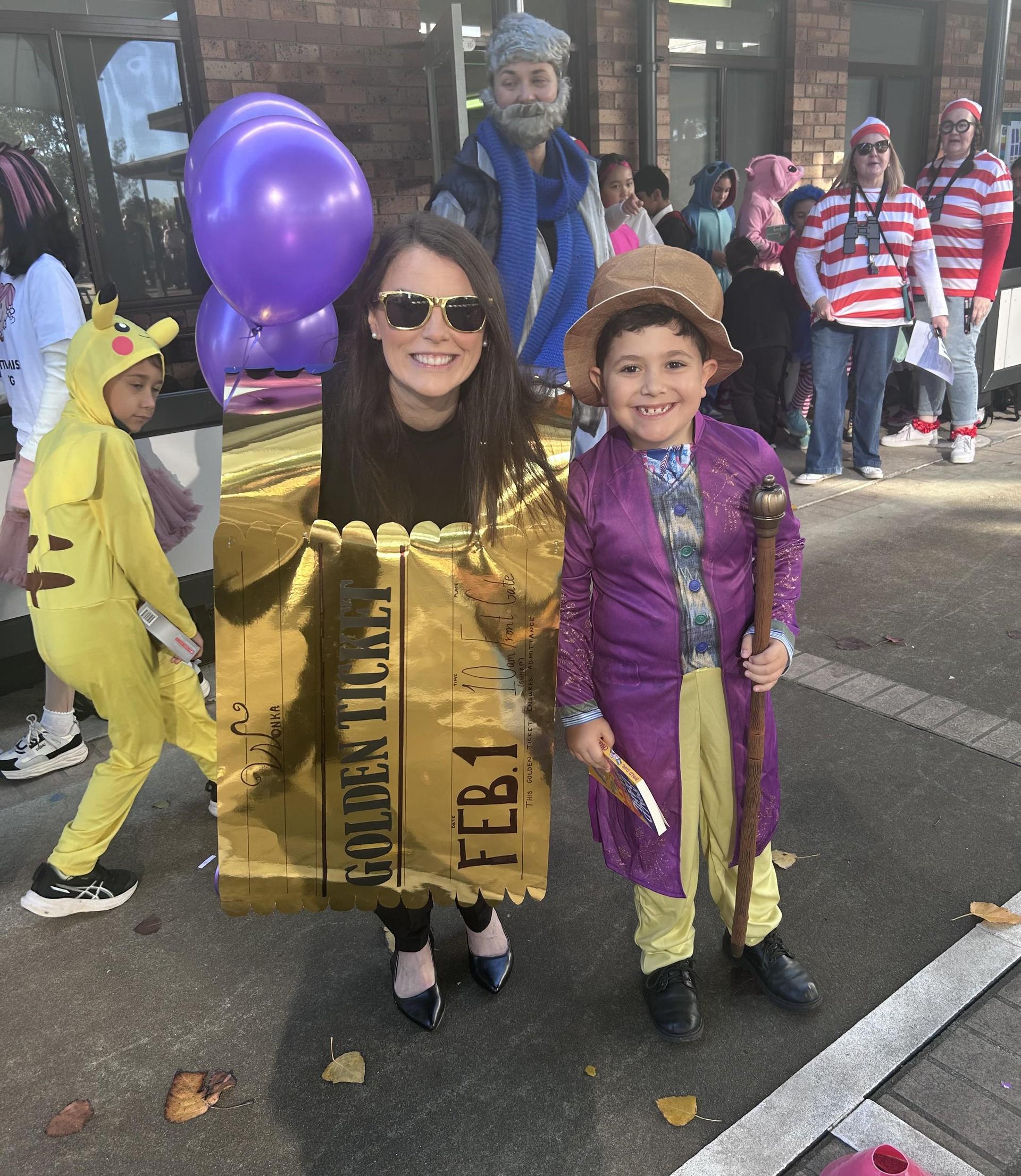
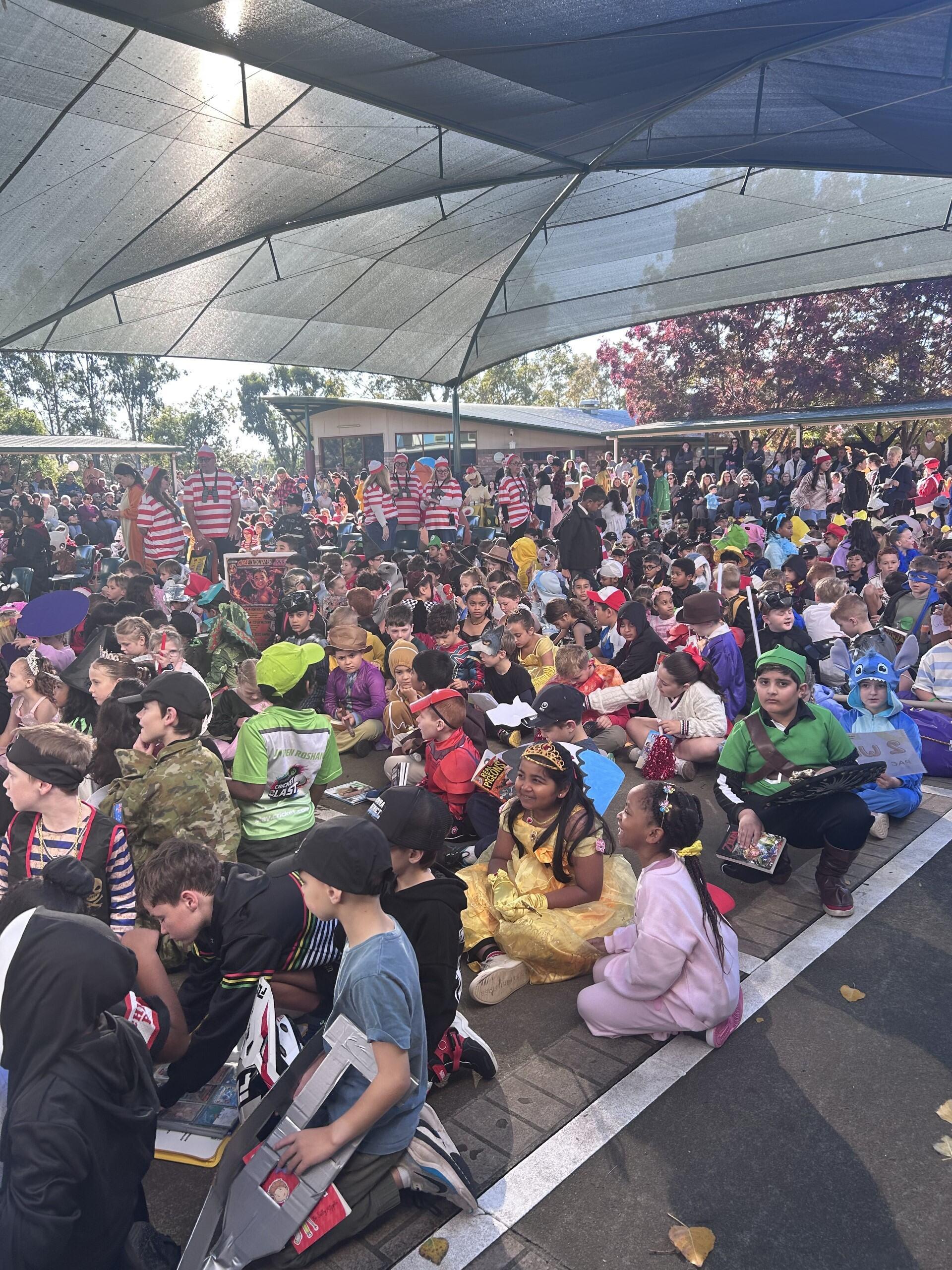
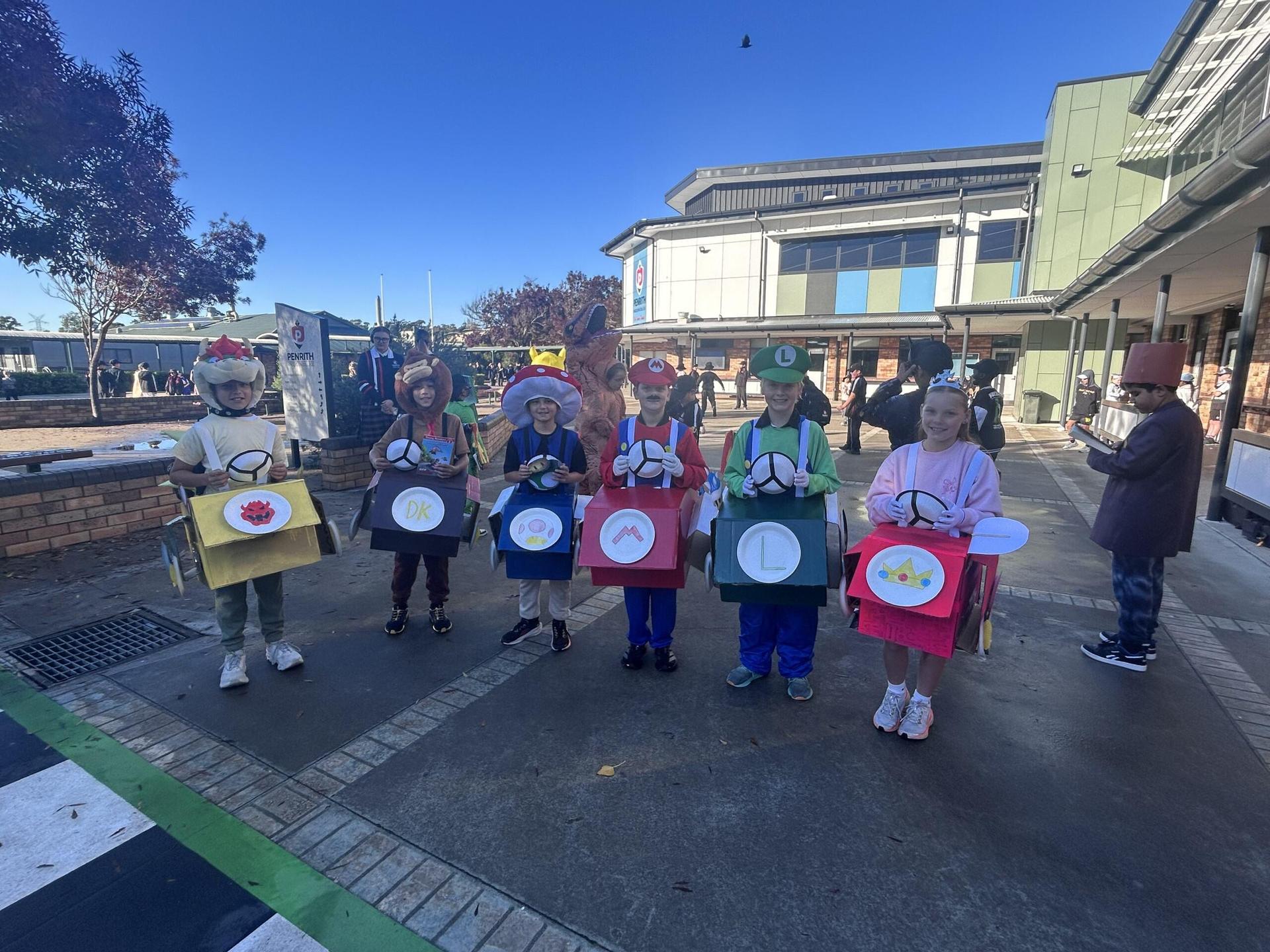
Both PAC Primary students and teachers dazzled in their 2026 Book Parade costumes. With parents and family members cheering enthusiastically, students proudly paraded around the Primary Assembly Area as the rain held off and the sun emerged.
Sports
CIS Bowls
CIS Bowls
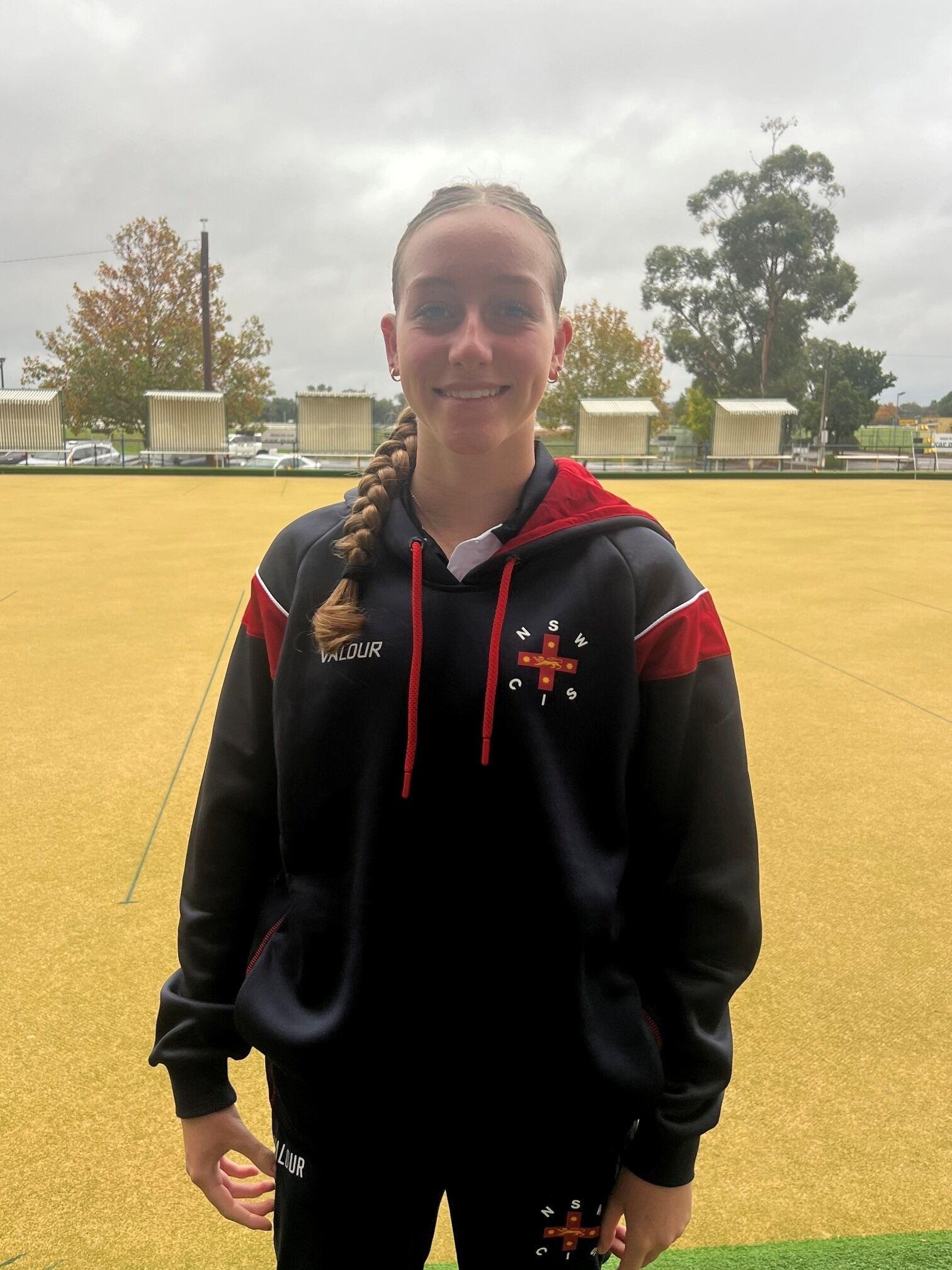
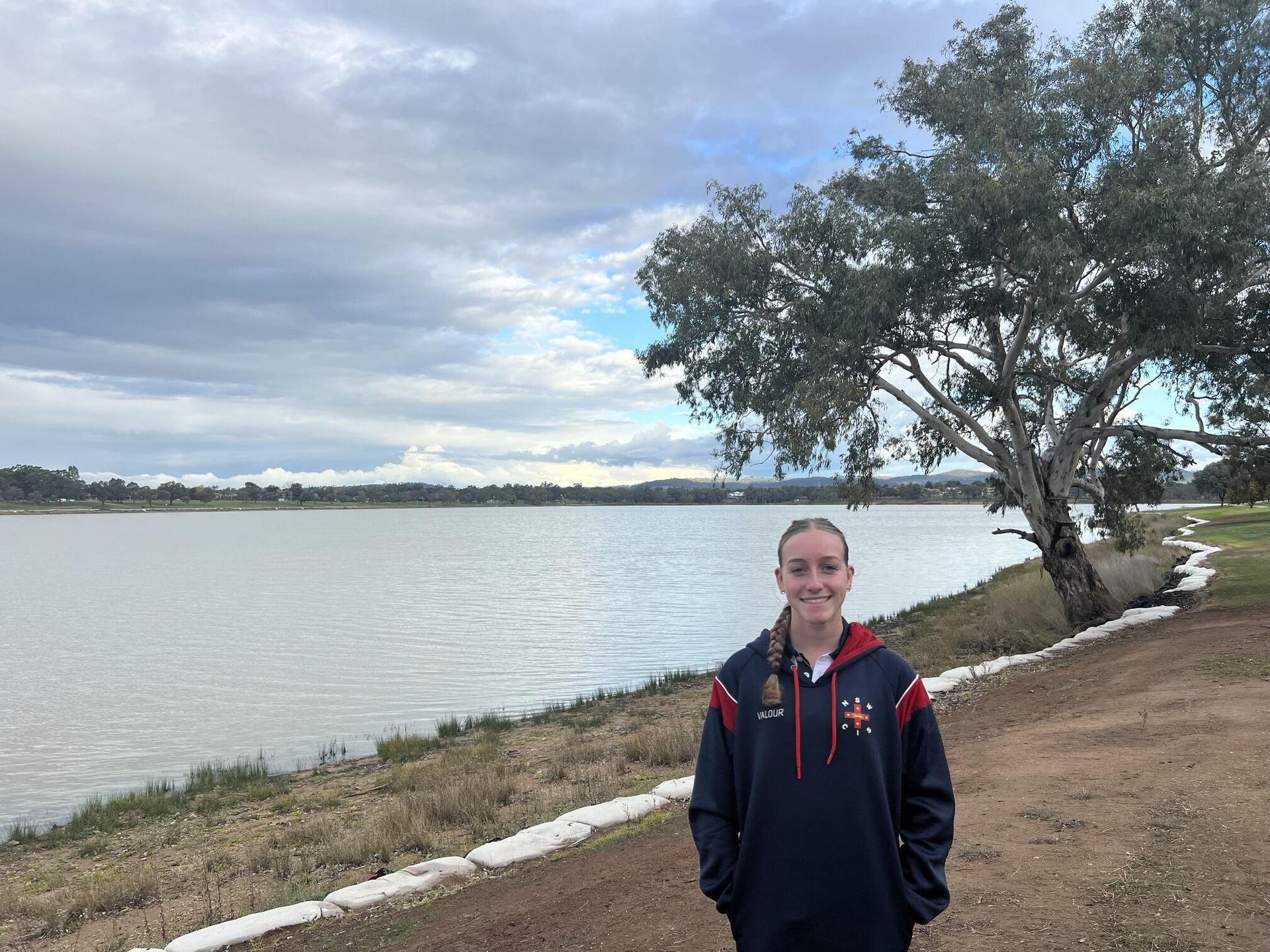
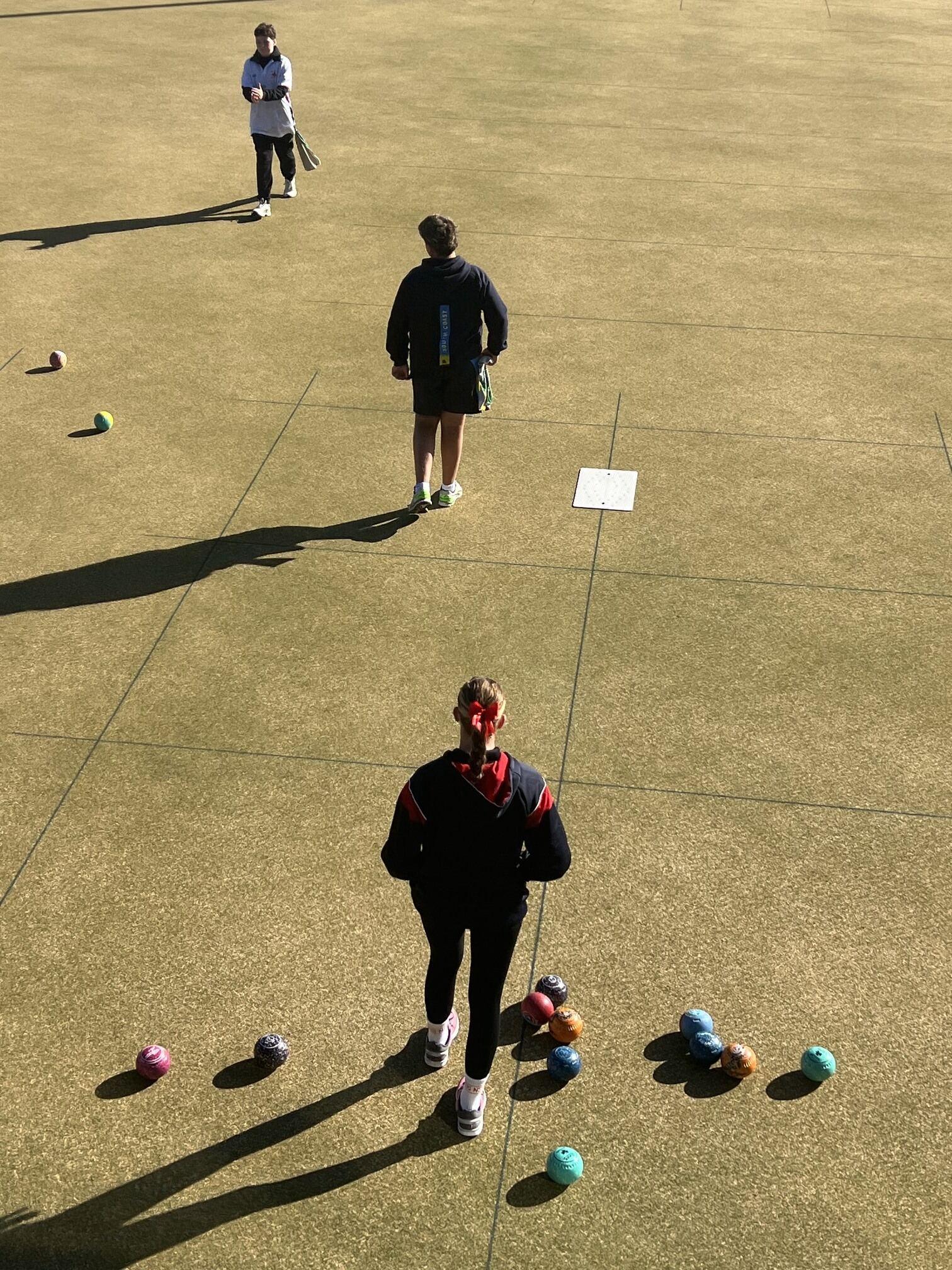
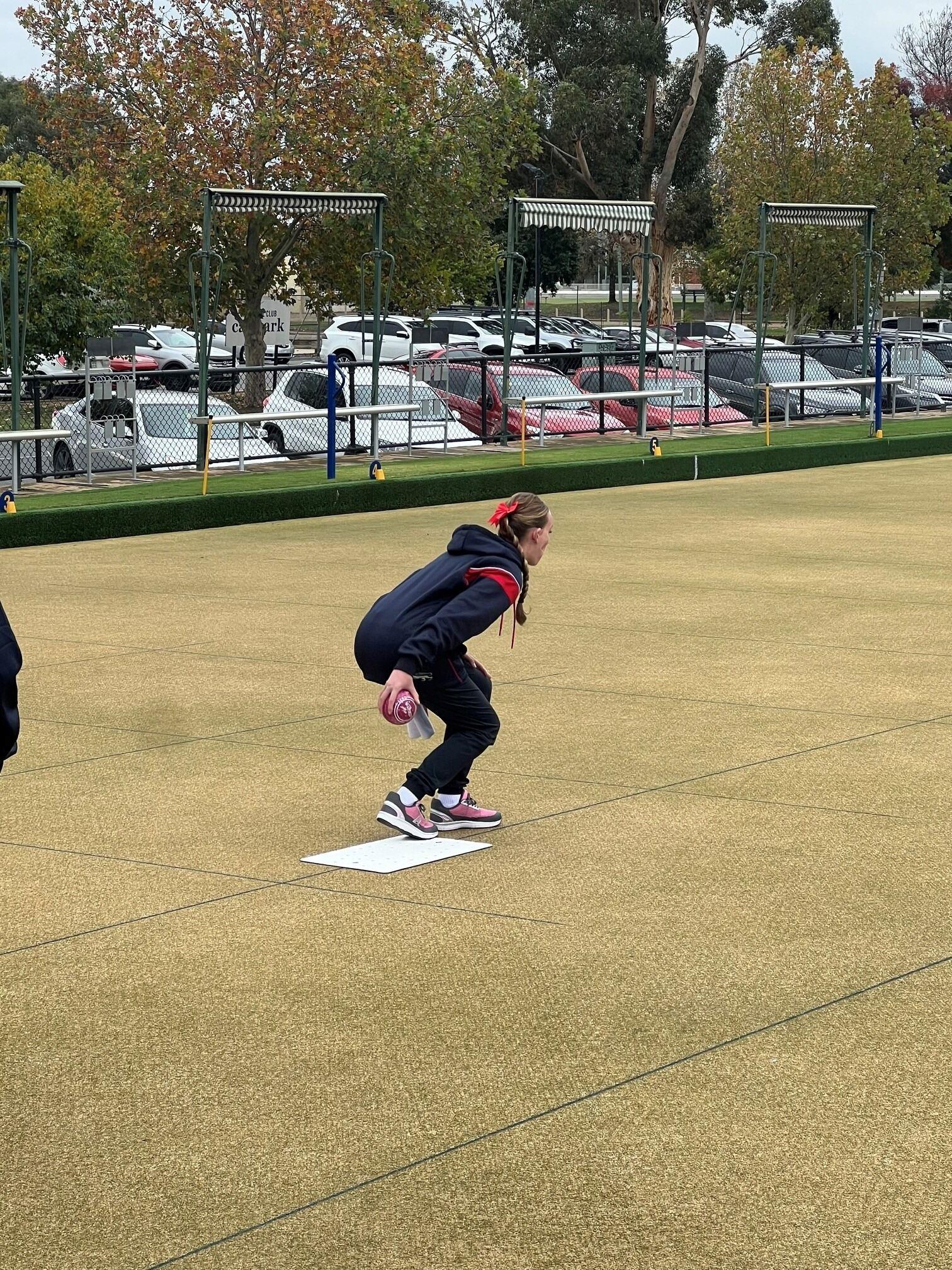
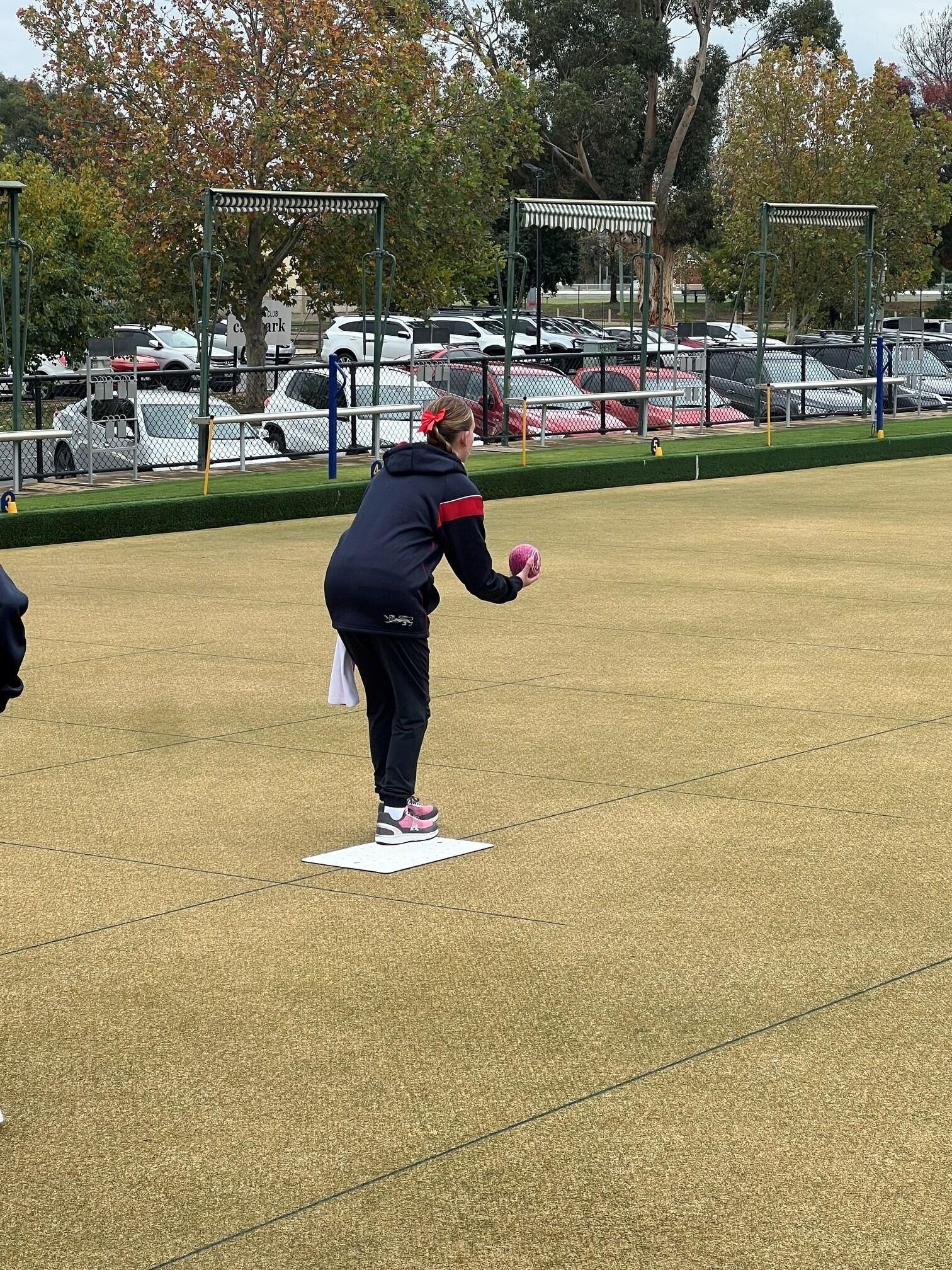
Congratulations to Grace N (Year 9), who travelled to Wagga Wagga in Week 5, as a member of the CIS Bowls team – PAC’s first-ever Bowls representative!
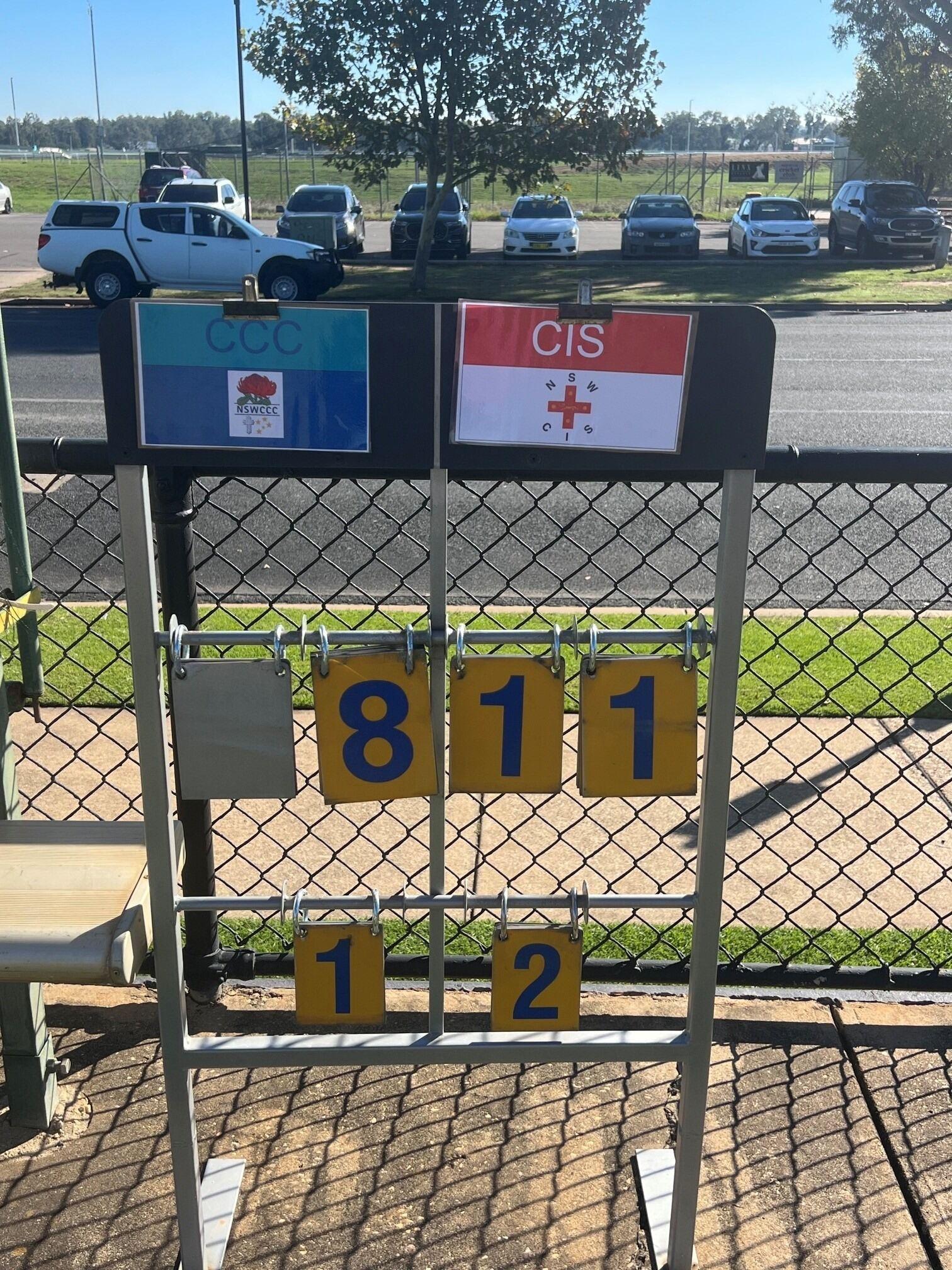
The CIS team was competitive throughout the week, defeating teams from across all school sectors, and causing some upsets. The final day saw the CIS team down a bowler due to illness, and Grace and the CIS lead bowler stepped up to bowl an additional end each. CIS played the undefeated CCC in their final, and, in the upset of the week, CIS won the match!
As a Year 9 student, Grace has a bright future with CIS Bowls – congratulations on being a trailblazer for this growing sport!