

From the Principal
From the Principal
From the Principal
Musical Thanks – The Wizard of Oz 2026
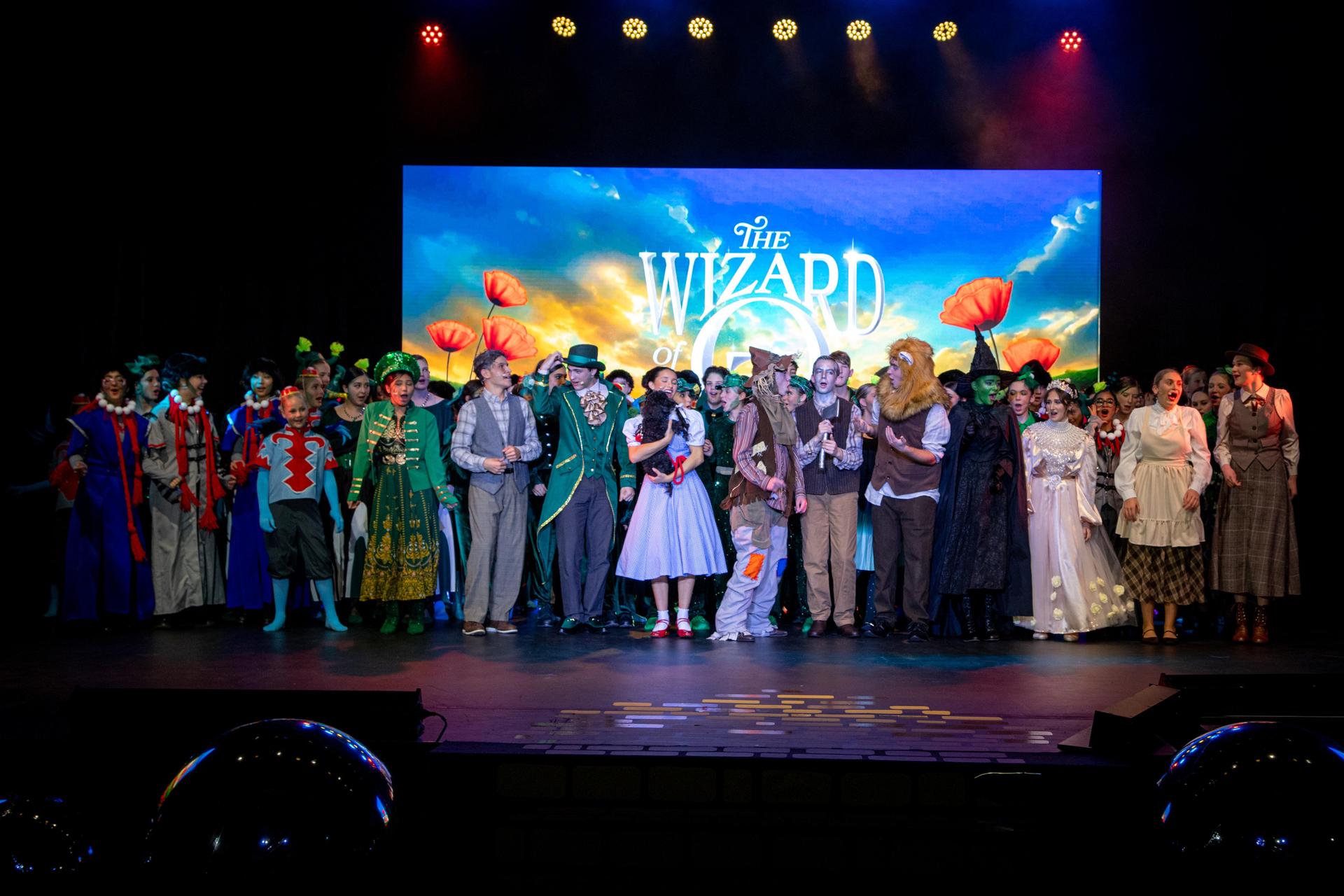
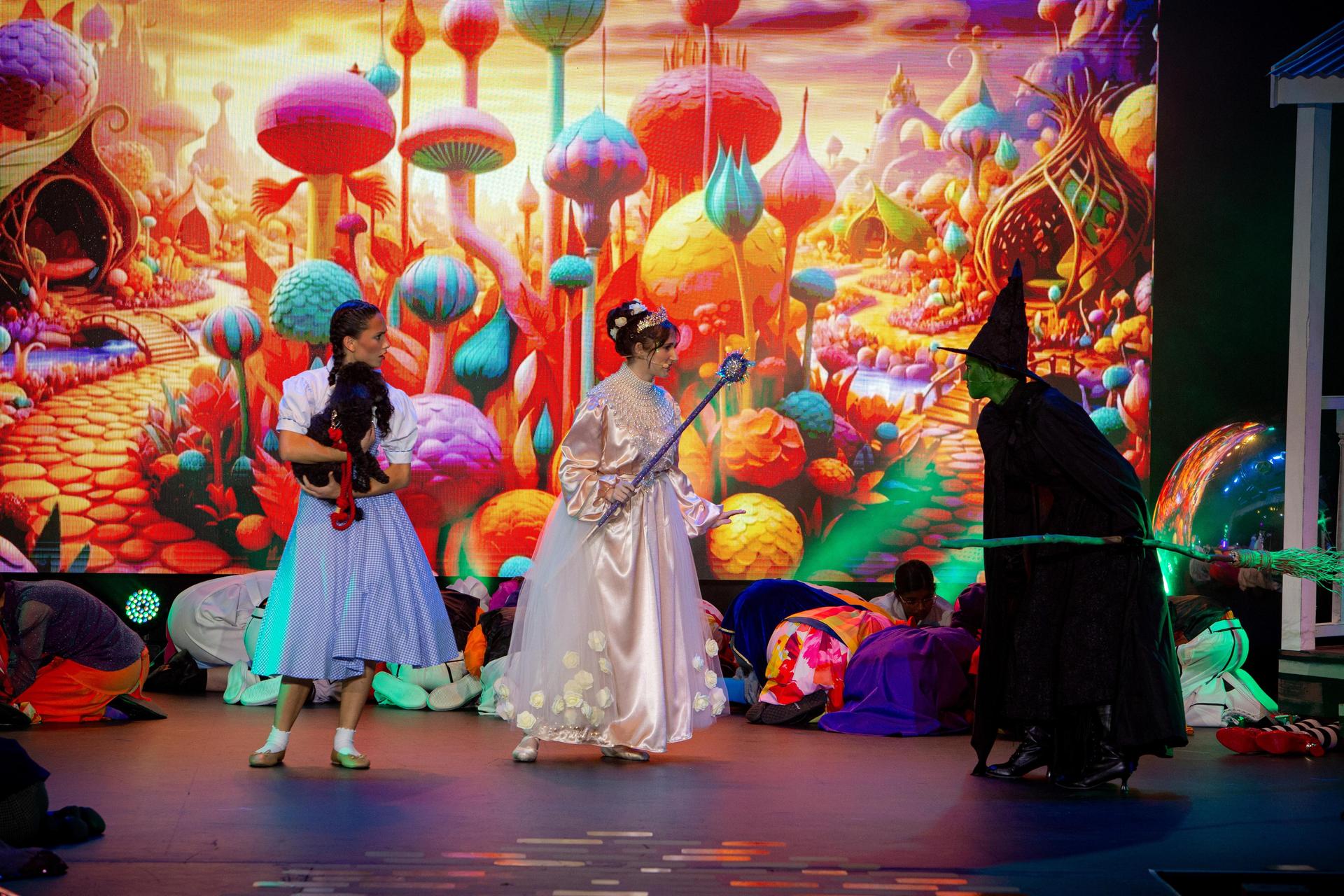
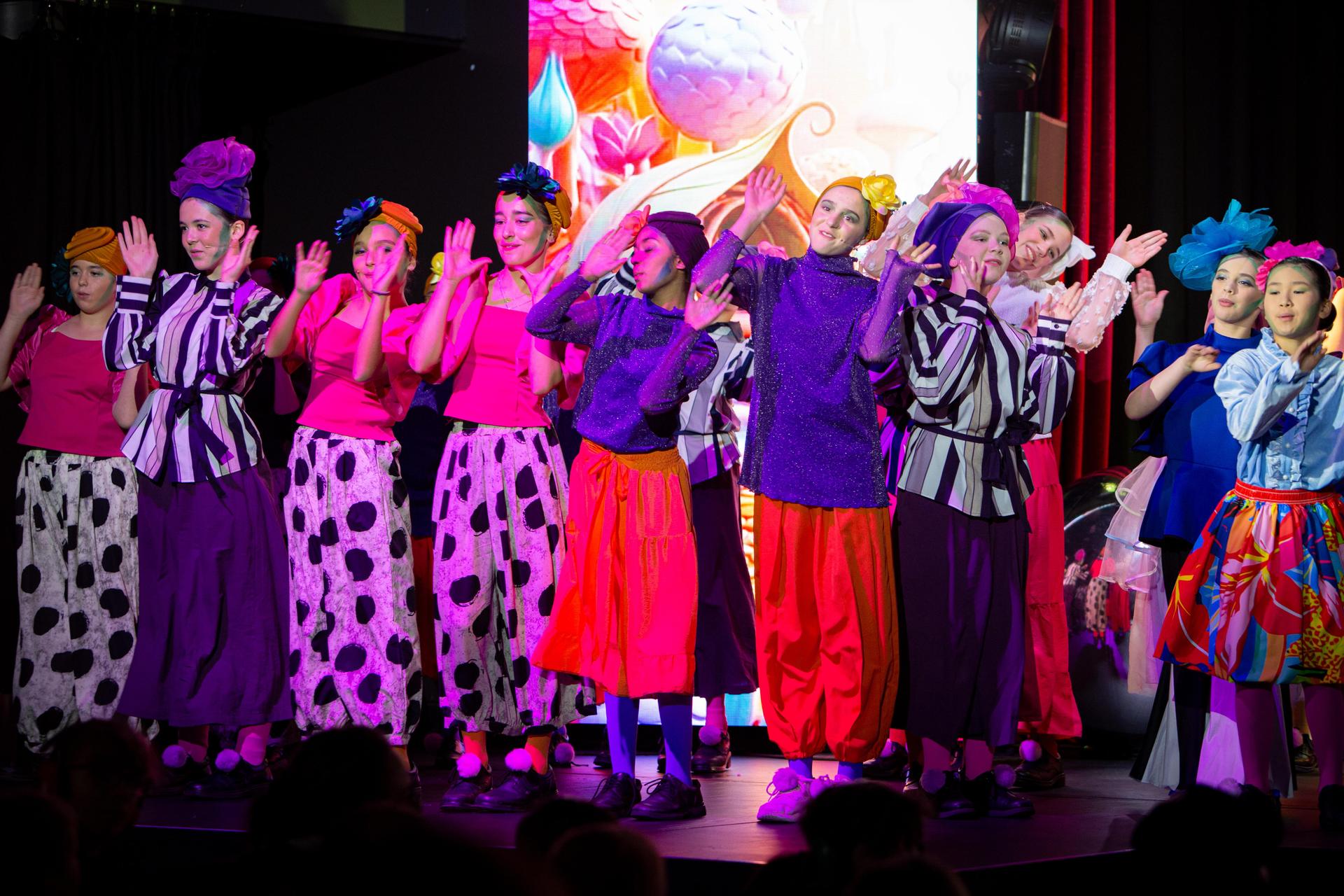
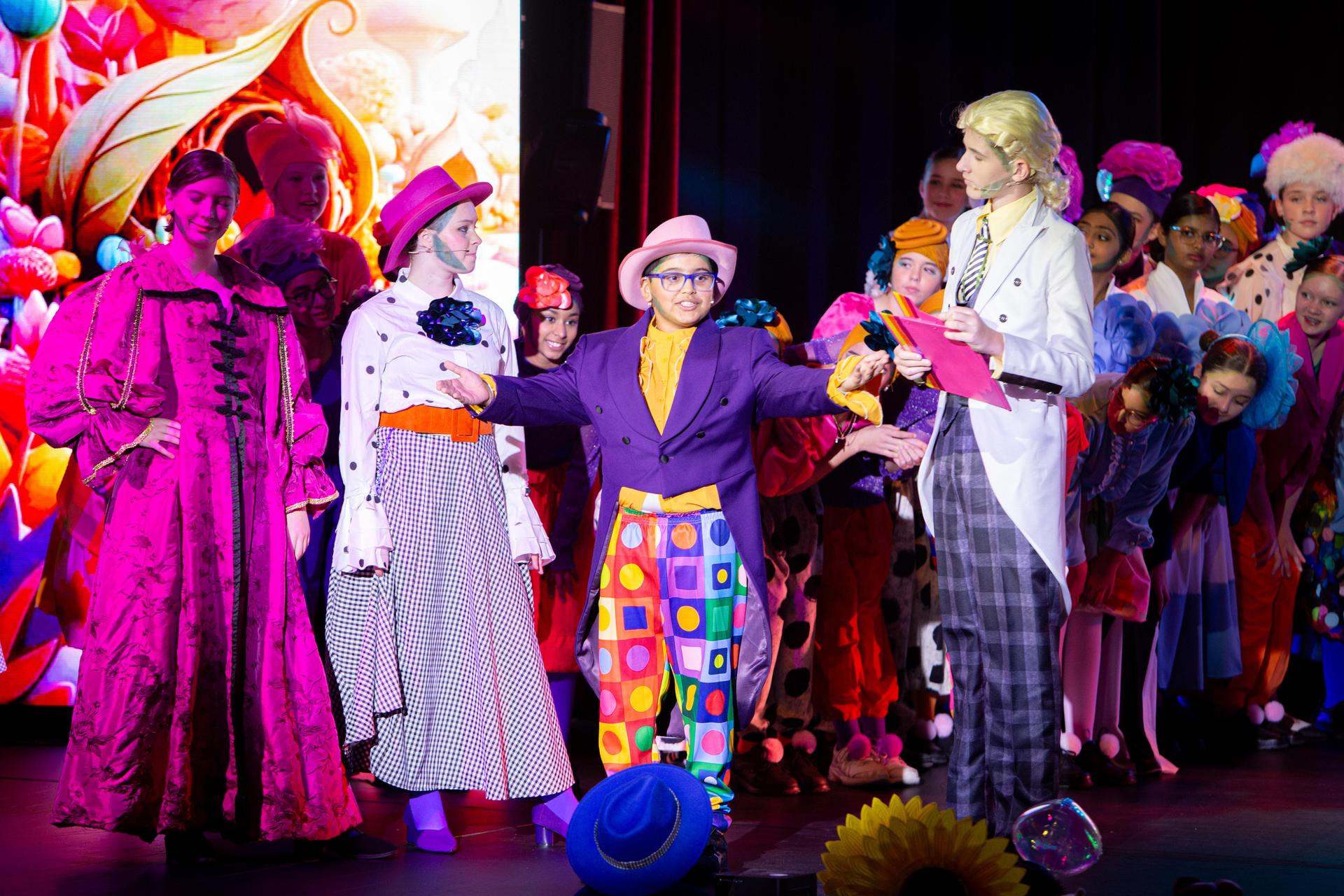
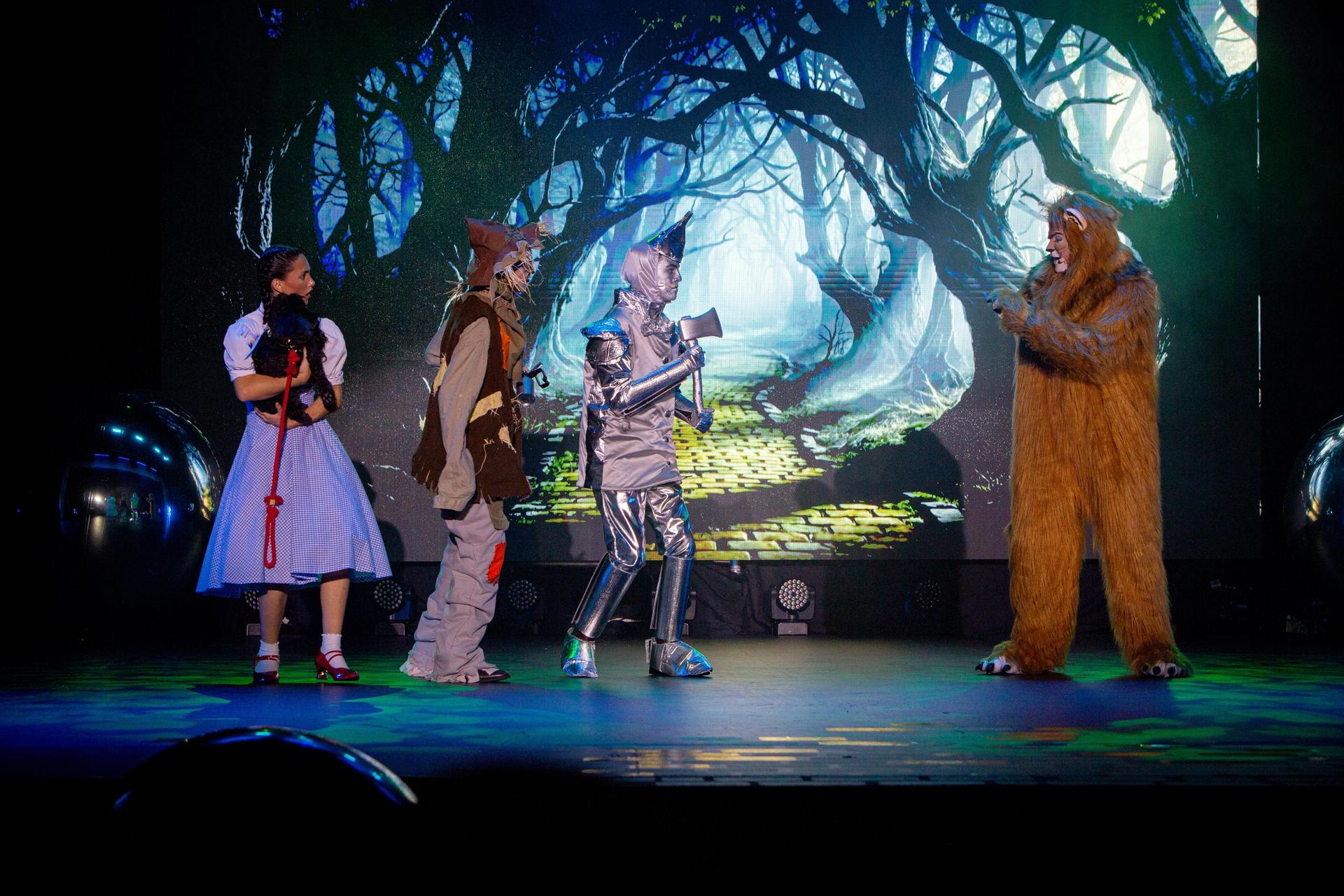
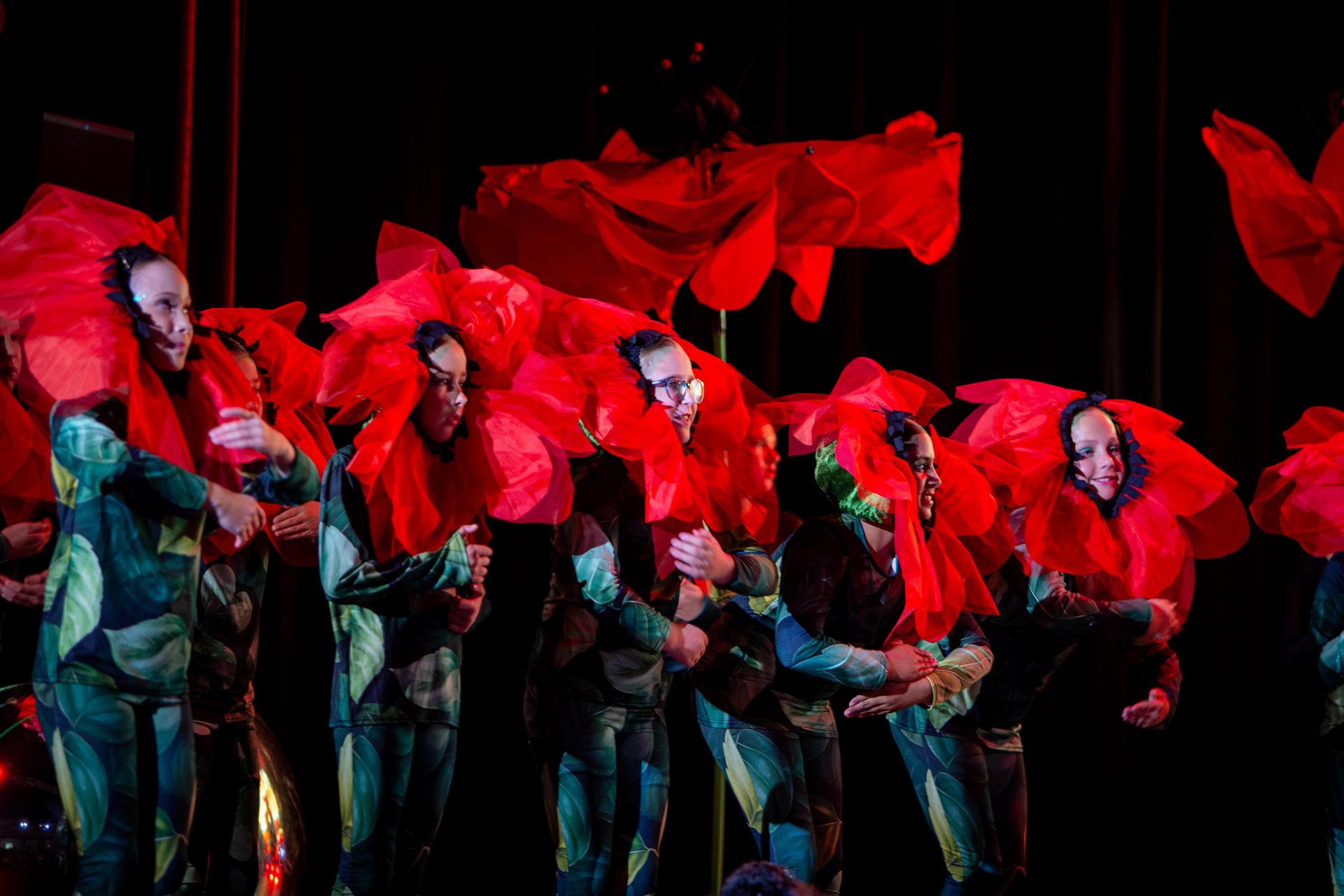
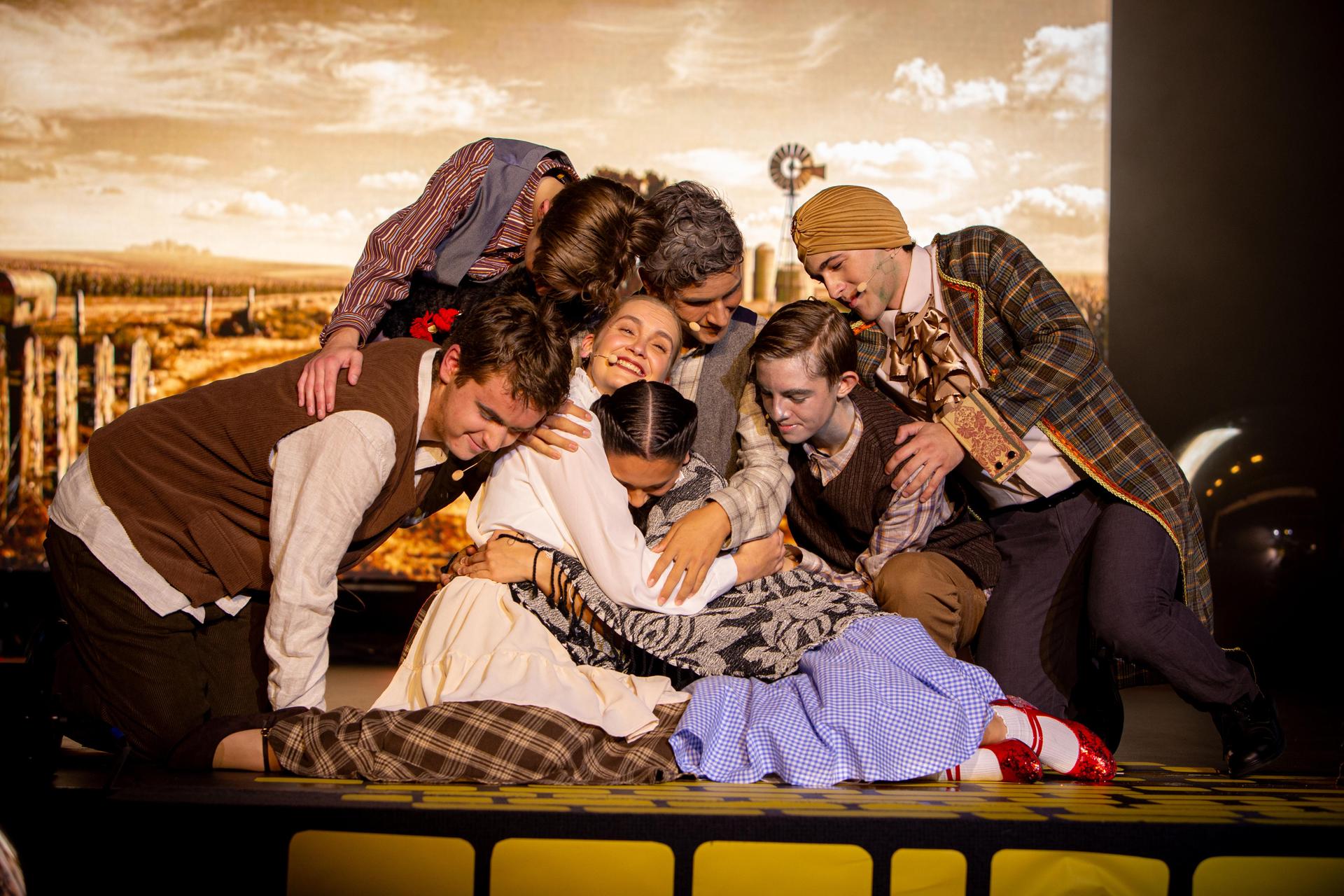
What an outstanding and memorable production The Wizard of Oz has been for our College community. From the opening performance through to the final curtain, each show built in confidence, energy, and excellence, reflecting the remarkable dedication and spirit of all involved.
At the heart of this success are our students. Whether performing on stage or contributing behind the scenes through set design, costume preparation, musical performance, choreography support, backstage coordination, or welcoming audiences, every student played an essential role. It has been truly inspiring to see students from Year 5 to Year 12 working together with such enthusiasm and purpose, with older students guiding and encouraging younger participants. This strong sense of community and collaboration is something of which we are immensely proud.
We extend our sincere thanks to the parents of all the students involved for their generous and unwavering support. Your encouragement, time, and commitment in supporting rehearsals and fostering a love of the performing arts make a difference. We are especially grateful to the eighteen parents and grandparents who contributed more than one thousand hours collectively to create the stunning costumes that brought the production to life.
Our staff have also played a vital role, working tirelessly to ensure every aspect of the production was of the highest standard. Their dedication across all areas, including stage management, music, choreography, logistics, photography, design and hospitality, has been exceptional and deeply appreciated.
We also acknowledge with gratitude the leadership of the production team who brought this vision to life
- Miss Elise Fowler – Director
- Dr Christian Watson – Musical Director
- Mrs Emily DeSousa – Assistant Director
- Mrs Irene Samuels – Assistant Music Director
- Miss Abby Doyle – Choreographer
- Mrs Renata Lackey – Rehearsal Manager
- Mr Jon Rheinberger – Executive Producer
- Mr Josh Bonnet – Costume Design
- Mr Steve Lewis – Set and Graphics Design
- Mr Jake Nauta – Production Manager
Finally, we thank our wider College community, including families, friends, alumni, and past staff, whose support and presence added so much to this special event. The strength, connection, and shared pride within our community was overflowing at every show.
We trust that all who attended thoroughly enjoyed The Wizard of Oz , and we look forward with great anticipation to our next Musical in 2028.


A Child Safe Community
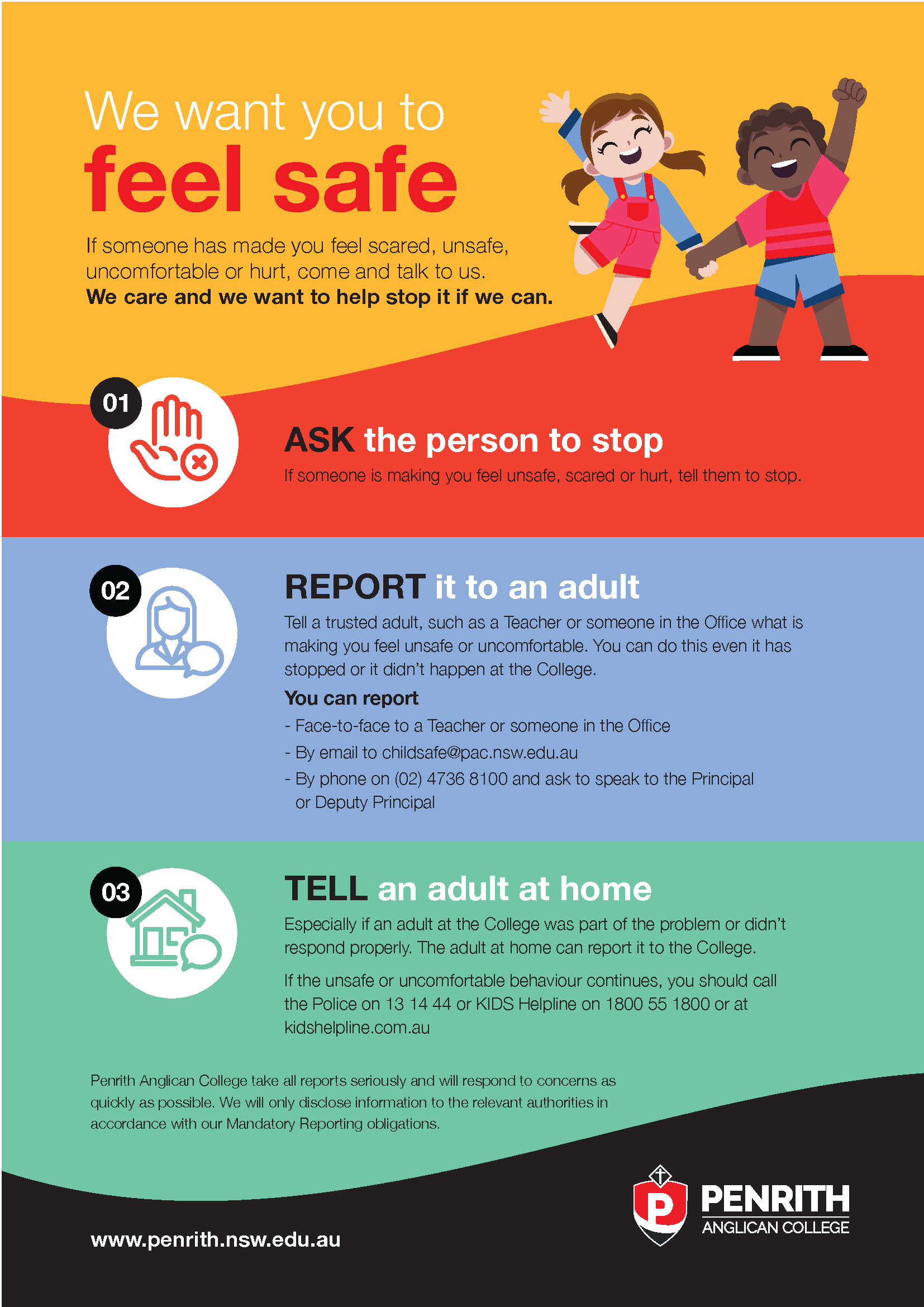
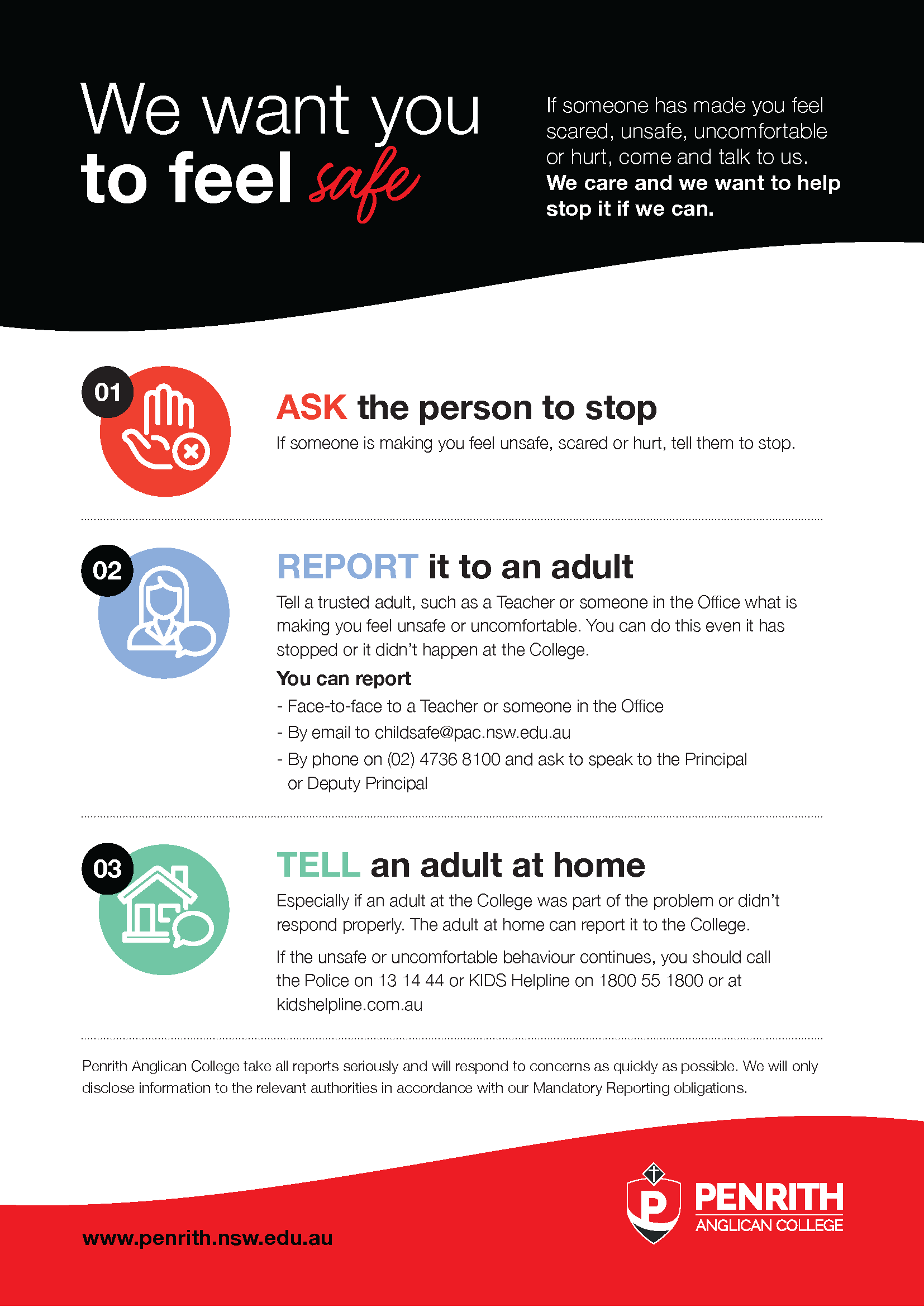
At Penrith Anglican College, providing a safe, nurturing, and supportive environment is fundamental to your child’s growth, learning, and wellbeing. Every year, we take a close look at our practices against the NSW Child Safe Standards and map out exactly where we can do better. To ensure the highest level of accountability, both our annual review and the resulting Improvement Plan are independently audited by the Risk and Compliance Team at the Anglican Schools Corporation.
We believe that child safety belongs to all of us. For our leadership team and College Council, this is not about ticking a box once a year and forgetting about it. It’s a daily commitment to staying ahead of risks and a commitment to ongoing improvement.
To give you a clearer idea of how this works in practice, here is what we focus on every day:
- Clear Rules and Boundaries: We have strict policies in place, including a clear Code of Conduct and Professional Boundaries rules. There is absolutely no ambiguity about the high standards of behaviour we expect from every adult.
- Screening and Training: Every single staff member, volunteer, and contractor goes through strict background checks, including Working with Children Check (WWCC) verifications. Furthermore, our staff do mandatory safety training every single year so everyone knows exactly how to identify and handle risks early.
- Listening to Our Students : True safety means giving our kids a voice. We talk to students about their rights and what respectful relationships look like, helping them find the confidence to speak up. We have made it easy for them to report things, and they know that if they raise a concern, we will listen and act immediately.
- An Open Culture: We constantly review our physical campus and our online spaces to keep up with best practices. Ultimately, being open and transparent with you as parents is one of the best ways we can protect our students.
Our Child Safe Policy and reporting pathways are fully transparent and publicly accessible on our College website. We welcome your partnership, your feedback, and your voice as we work together to uphold the highest standard of care for every child entrusted to us.
For further information, please refer to the Child Safe Standards on our website. Thank you for your ongoing support and partnership in making Penrith Anglican College a safe and flourishing community.

Primary School
From the Head of Primary
From the Head of Primary
Spelling: More Than Getting Words Right
When I ask students to explain new learning, I sometimes invite them to imagine explaining it to an alien. What would they need to say so their meaning is clear? What assumptions could they not rely on?
It raises an important question for us. In a world of emojis, quick messages and visual shortcuts, how do we ensure our words still carry precise meaning? While these forms of communication help us express emotion and connection, they also remind us just how powerful and complex written language really is.
Spelling is one of the key ways we make meaning clear for others. The radio station I listen to in the morning often runs a segment similar to a spelling bee, and it is always interesting to hear where people are successful and where they find it challenging. It’s a reminder that spelling is not always straightforward, even for adults.
Many of us remember learning spelling through weekly lists and tests. We may have written words repeatedly using a “look, cover, write, check” approach, only to be tested at the end of the week. While some students experienced success in this model, others found it frustrating. More importantly, we might ask: how much of that learning was truly understood, and how much transferred into everyday writing?
Today, we understand that spelling is far more than memorising words. It is about understanding how language works.
In the NSW English Syllabus, spelling is taught through the development of three interrelated areas:
- Phonological knowledge (the relationship between sounds and letters)
- Orthographic knowledge (patterns and conventions in written words)
- Morphological knowledge (how words are built from meaningful parts, such as prefixes and suffixes)
These elements work together over time, helping students move from simply hearing and recording sounds to recognising patterns and understanding how words carry meaning.
You might hear a child say, “That doesn’t look right” when attempting a word. This is actually an important milestone. It shows they are beginning to reflect on their spelling and draw on their developing knowledge.
From here, rich learning can occur. Teachers work alongside students to:
- listen for sounds within words
- consider familiar spelling patterns
- explore how words are constructed
This process helps students not just correct a word, but understand why it is spelled in a particular way.
The International Literacy Association reminds us that correcting spelling is not the same as teaching spelling. It is simply copy editing. Spelling is deeply connected to both reading and writing, and effective instruction helps students understand the structure and meaning within words, not just reproduce them accurately.
In fact, spelling is a system that reflects sounds, patterns and meaning developed over time. When students are encouraged to attempt words and then refine their thinking, they are engaging in the real work of learning language.
For this reason, we place strong value on encouraging students to “have a go”. When students feel confident to attempt spelling, their ability to communicate grows. If we focus only on correctness, we risk limiting their willingness to take risks in their writing and, in turn, their ability to express ideas fully.
As we continue to support our students to become resilient, resourceful, reflective and relational learners in spelling, we celebrate their efforts as much as their accuracy. Learning to spell is a journey of noticing, questioning and understanding.
How you can support at home:
- Encourage your child to attempt unfamiliar words
- Ask questions like: What sounds can you hear? What part looks right?
- Talk about patterns in words (e.g. play → playing, played)
- Celebrate effort and problem-solving, not just correctness

APSMO Maths Competitions
APSMO Maths Competitions
On Wednesday, June 10th, Years 3-6 students enthusiastically engaged in rich mathematical experiences through both the Junior Olympiad and the Maths Explorer programs. The Junior Division Olympiad is a highly regarded inter-school competition that challenges high-achieving students with complex, thought-provoking problems designed to extend their reasoning, creativity, and problem-solving skills. Our Stage 3 students have risen to this challenge, demonstrating deep thinking, persistence, and a willingness to grapple with demanding questions that require flexibility and sophisticated mathematical reasoning. Throughout the session, it was impressive to see just how hard students were thinking as they worked through multi-step problems, applying and adapting strategies to reach solutions.
Our Year 3 and 4 students have also been developing these important skills through the Maths Explorer program, where collaboration is at the heart of learning. Working together in teams, students actively discuss strategies, test ideas, and support one another as they explore a variety of engaging and challenging problems. The level of thinking and teamwork on display has been outstanding, with students confidently sharing their reasoning and learning from one another. This collaborative approach not only builds confidence and resilience but also fosters a love of mathematics, preparing students for the increasing level of challenge they will encounter in future learning opportunities.

Secondary School
From the Head of Secondary
From the Head of Secondary
What it Means to be a "Good Mate"
As a College, we are deeply committed to supporting our young people in all areas of their lives. While academic success is important, the way our students relate to one another and the depth of their friendships form the true foundation of their wellbeing.
Navigating peer group dynamics is a major part of the journey through secondary school and adolescence. Peer groups provide a wonderful sense of community, shared humour, and collective confidence. Sometimes, the line between harmless fun and negative peer pressure can become blurred, and keeping those group cultures positive requires ongoing reflection and effort from our young people and guidance from the adults in their lives.
When Banter Goes Too Far
Recently, we asked a group of students, "What is it like to be part of your peer group?"
Their responses were perceptive. Students readily identify the highlights of shared laughs and the comfort of belonging. However, they were also mature enough to acknowledge the shadow side of group dynamics. They recognised that "banter" quickly crossed the line into genuine hurt, and that sometime poor collective decision-making inadvertently led to actions that would not have been chosen by an individual. When these negative dynamics take over, students can be left wondering if they are truly psychologically safe in their group of friends or if indeed these peoples are actually my friends at all?
Our Young People Are Watching
Both at school and at home, it can be challenging to get our teenagers to open up about their friendship dynamics in a way that enables us to guide their thinking and responses to complex interpersonal relationships. Asking reflective questions can help them process what it means to be a good mate/friend.
- "Who did you encourage at school today, and how did you do it?"
- "How could you have supported a mate today?"
- "What sort of friend are you trying to be? What does that look like in practice?"
There is a good chance that you won't get a response to any of your questions from your teenager. Sometimes, the best way to start is by sharing your own stories. Look for opportunities to talk about your own friendships, the ups and downs you experienced at their age, and with your current friendships. Explain how you actively support your mates.
Over the long weekend, I went climbing up the Mountains with a friend of over 30 years. It was a beautiful day, and we had a great time. Over the course of the day, we had a number of conversations about middle-aged life, but there was one conversation where I expressed some feelings/opinions about something my friend was doing that, on reflection, stepped over a line in our relationship. I replayed the conversation over in my head and then ended up ringing to apologise later in the week. As a dad of teenagers, I want my kids to see the ups and downs of my friendships in action. I want them to be able to see how adults deal with conflict and errors in relationships in healthy ways. Visibility and vulnerability in dealing with life speaks much louder than peppering questions at them and then expecting a response (let me manage your expectations... a grunt or a one-word answer is about as good as it gets). All our young people are watching and listening to the adults in their lives more than they let on, and a little more than many of us are comfortable with. Stories about both the highlights and regrets of life are a powerful way of guiding and shaping our young people's thinking and responses, particularly around navigating friendships.
Links to Recommended Resources:
- ReachOut Australia: Helping your teenager make great friends
- The Conversation: Adolescence can be awkward: Here’s how parents can help
- Maggie Dent: Fragile boys' friendships and why they matter so much
A highlight from the Maggie Dent article, specific to our young men, is her tips for developing positive teenage friendships:
- Prioritise having his friends who are boys spend significant amounts of time in your home, especially in the early years (2–8).
- Do everything you can to support their common interest – whether that be building go-karts, racing motorbikes, dance, having a band, playing a sport or surfing.
- Know that food can be a bonding experience for boys – ensure many loaves of bread are always available.
- Have gentle conversations at times with your son about how to be a ‘good’ friend.
- Teach your son to say ‘I’m sorry I hurt you’ – even when he never meant to.
- Help him to remember his friend’s birthday and help him to know how to support his friend if an adverse event occurs in his friend’s life.
- Ask warmly about his friends from time to time – don’t interrogate, just ask.
- Express your affection for his friends.
- Always tell his friends they are welcome at your home and your door will always be open to them.
- Reassure your son that you will always love him no matter what happens in life.

UNSW Civil Engineering Work Experience Program
UNSW Civil Engineering Work Experience Program
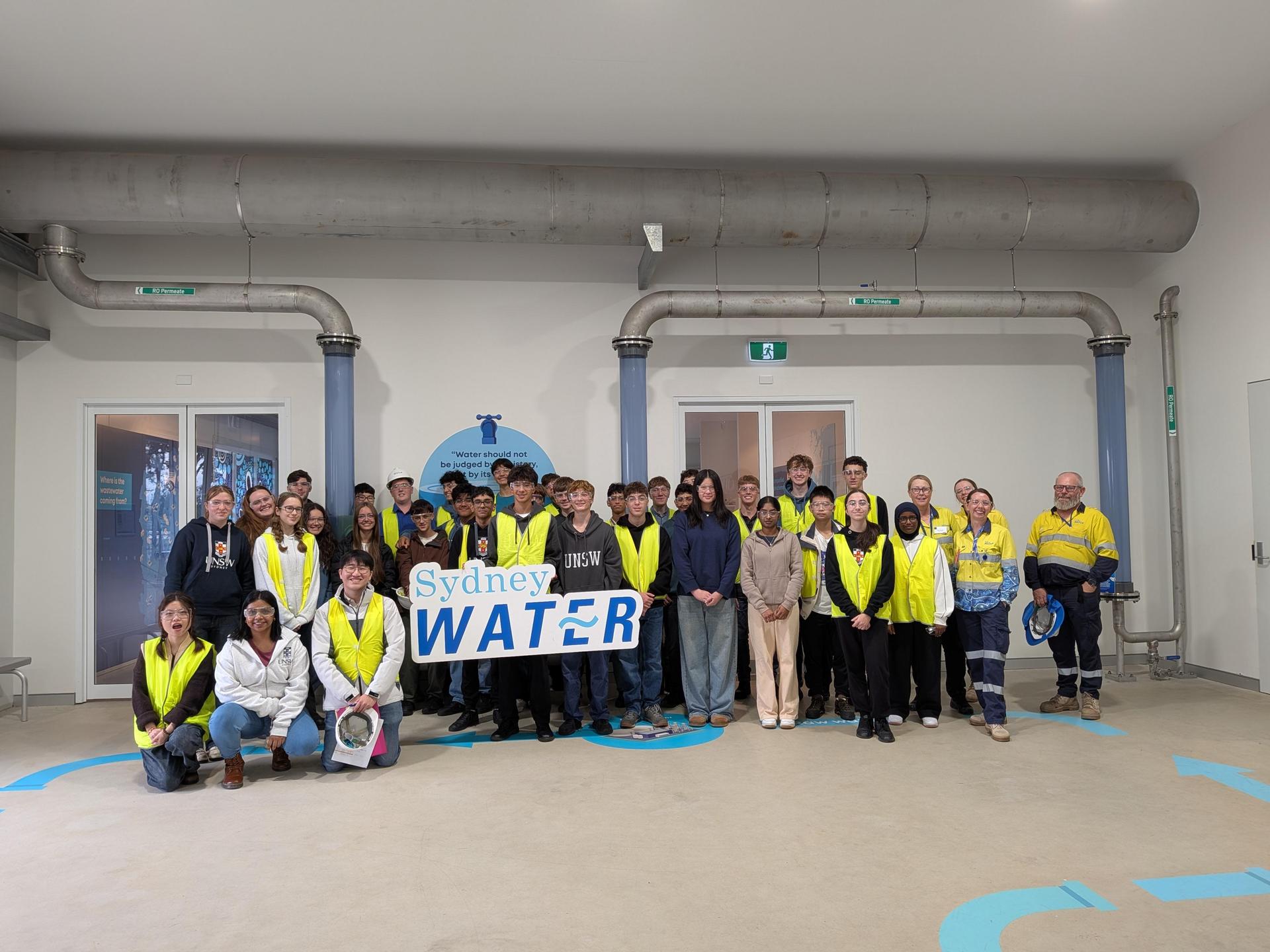
We are delighted to highlight Year 10 student Timothy, who recently took part in the UNSW Civil Engineering Work Experience Program. It was an action-packed week filled with hands-on labs and site visits across Sydney, allowing Timothy to explore everything from coastal infrastructure to structural design.
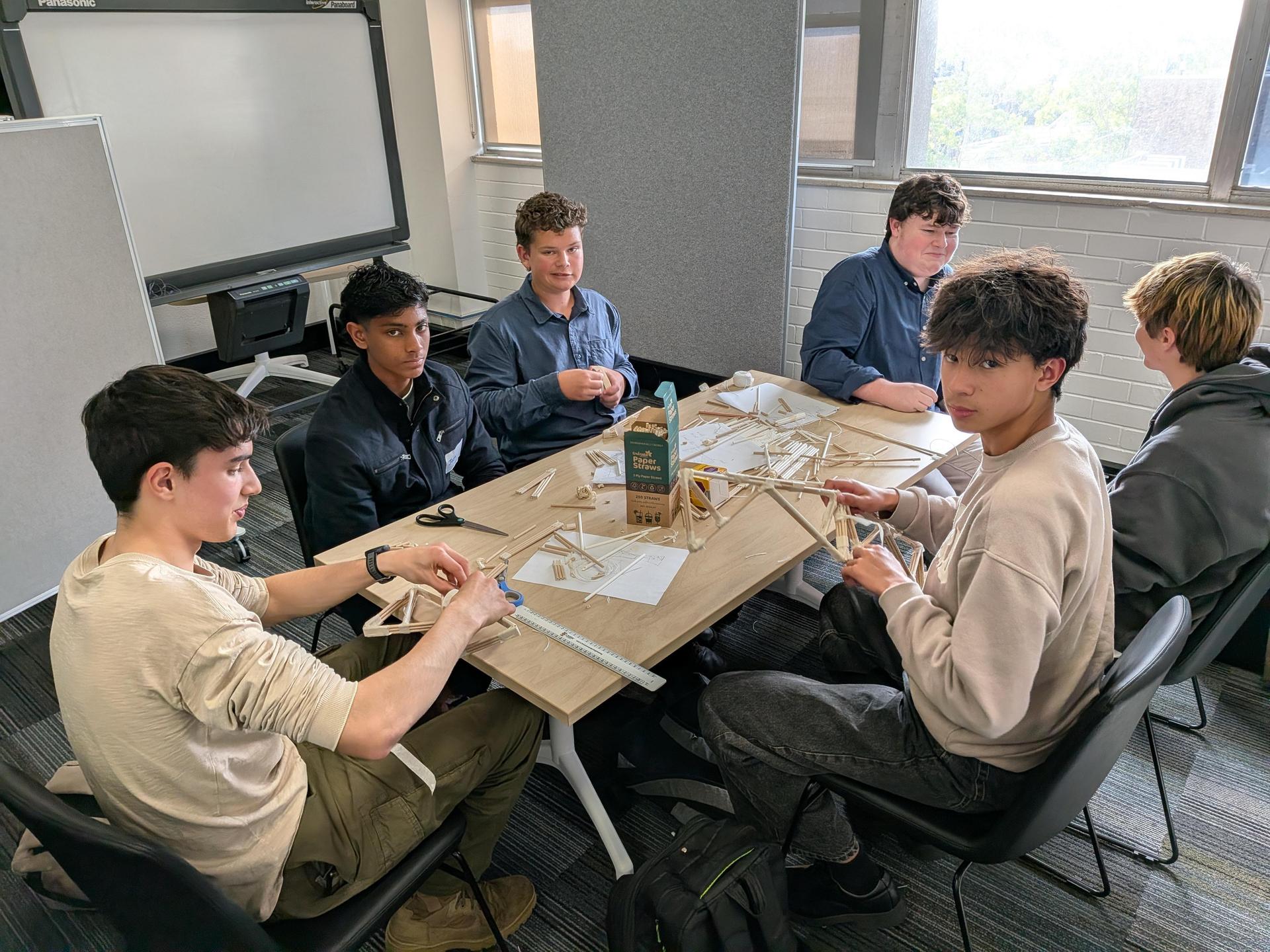
I visited different construction sites around Sydney in areas including Macquarie Park and Balmain, where I learned about engineering opportunities and careers through construction. I did a few different activities around surveying, using different surveying equipment to accurately locate points and objects and did an activity measuring the deflection of a bridge at the UNSW campus. A visit to Quakers Hill to visit a water treatment plant, where I learned about the different methods and steps required to turn used water into clean and pure water. On the last day I attended a UNSW lecture centred around structural engineering and completed a bridge task to hold live weight using straws, tape and string.
The engineering work experience program allowed me to get a better perspective on many different sectors of engineering, from construction to surveying and water technology. It allowed me to get hands-on, practical learning experience with experts, helping me to better understand career options, opportunities and pathways I could take for engineering in the future.
- Timothy H (Year 10)
Faculty News
Save the Date
Save the Date
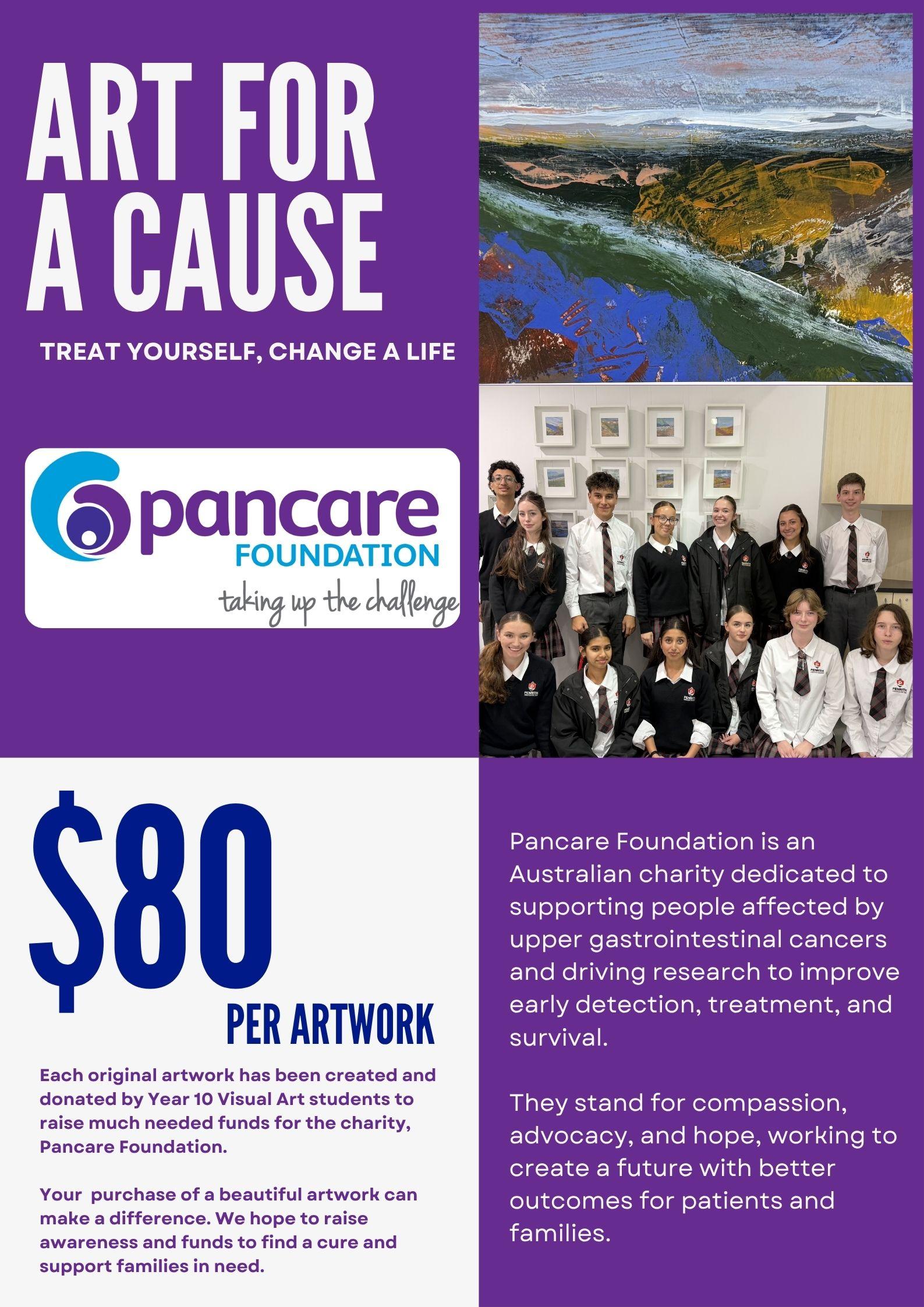
The Visual Arts Team would like to invite you to the Semester One Visual Arts Exhibition years 7 -11
Wednesday 17 June 2026
3:30 – 5pm
Official opening and awards ceremony at 4:30

LOTE News
LOTE News
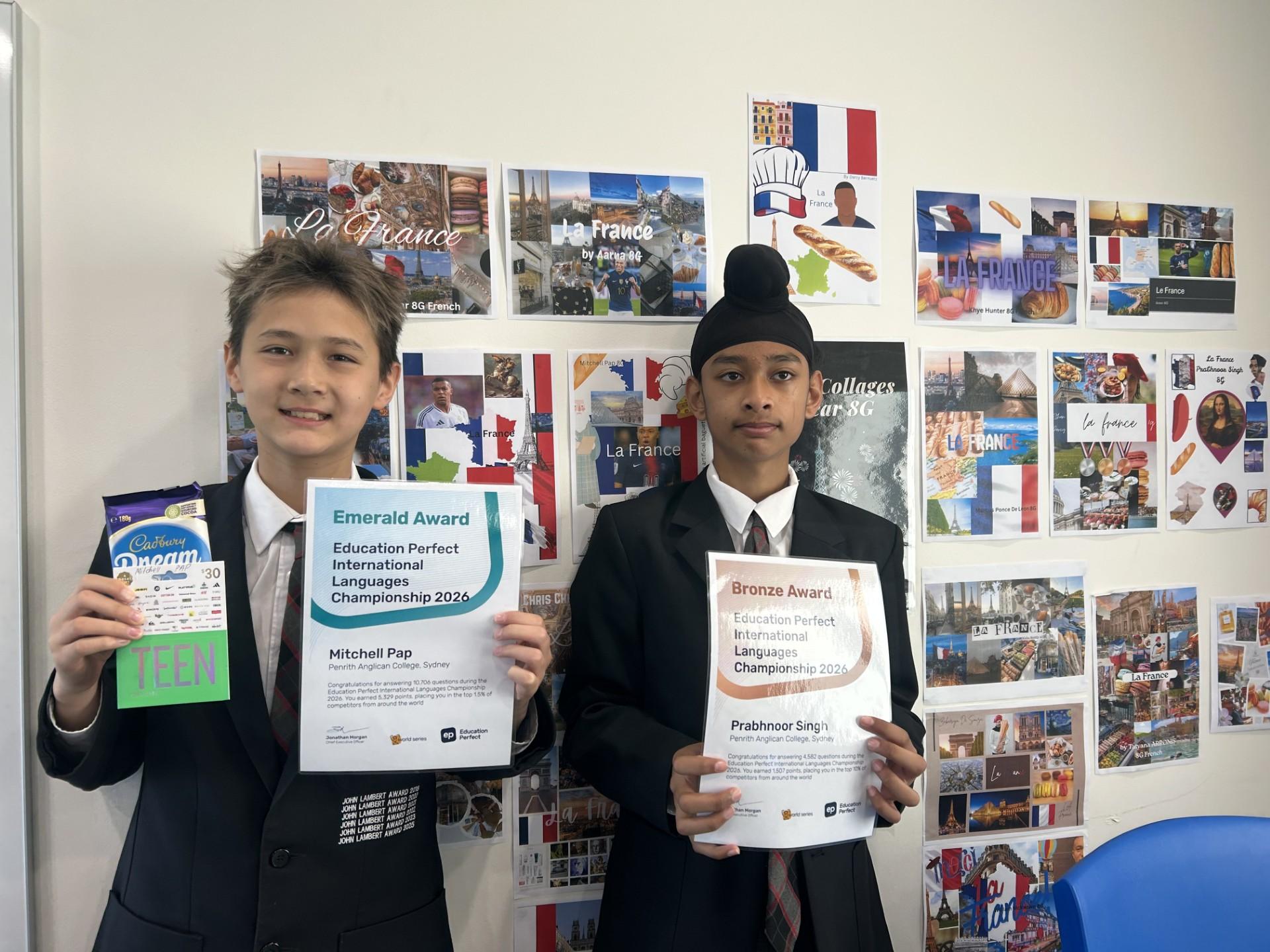
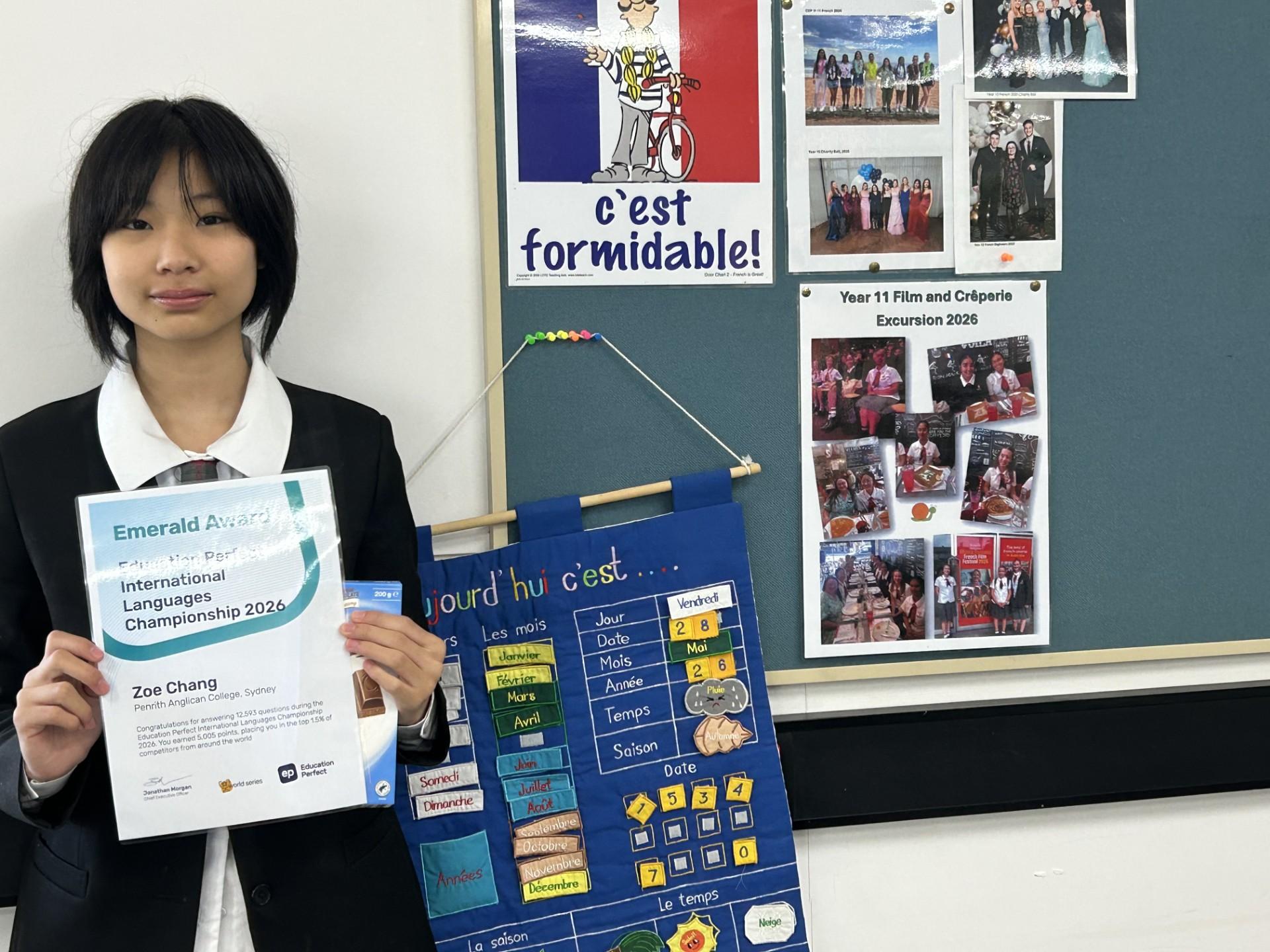
Education Perfect International Languages Competition 5-12 May 2026
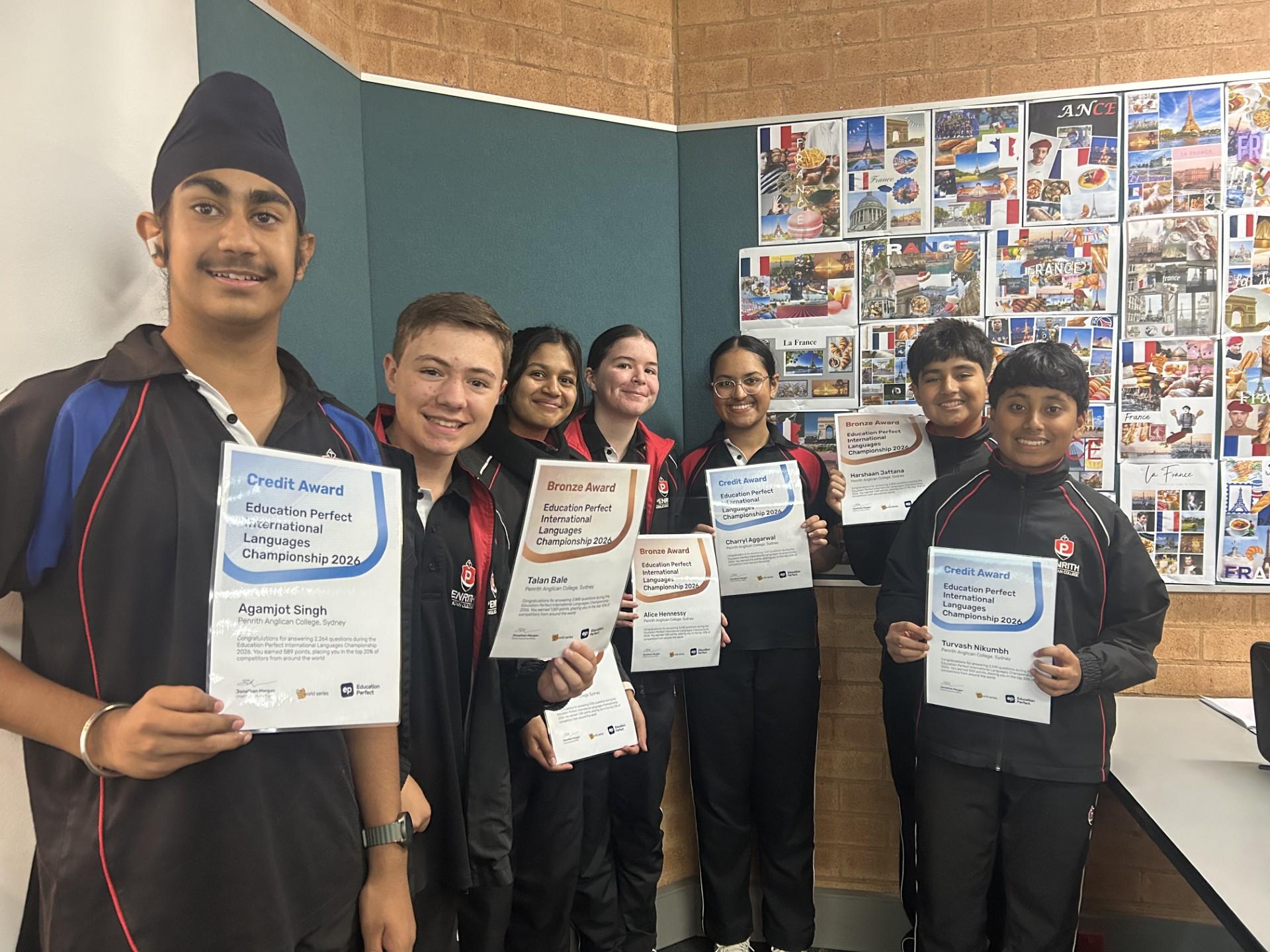
In the week 5 on12 May, all of Year 8 and our Elective Year 9 and 10 students for French took part in the International Education Perfect Languages Competition for 2026. There were 150 participants from the College in total.
Two students in the College achieved over 5,000 points: Mitchell P (Year 8) and Zoe C (Year 10), with 21 awards earned overall for the College.
Australia came First (1st) overall in the World with over 14 million questions answered. Penrith Anglican College ranked 96th in the World amongst 1622 schools participating, 76th in Australia and 20th in NSW.
Work Experience program
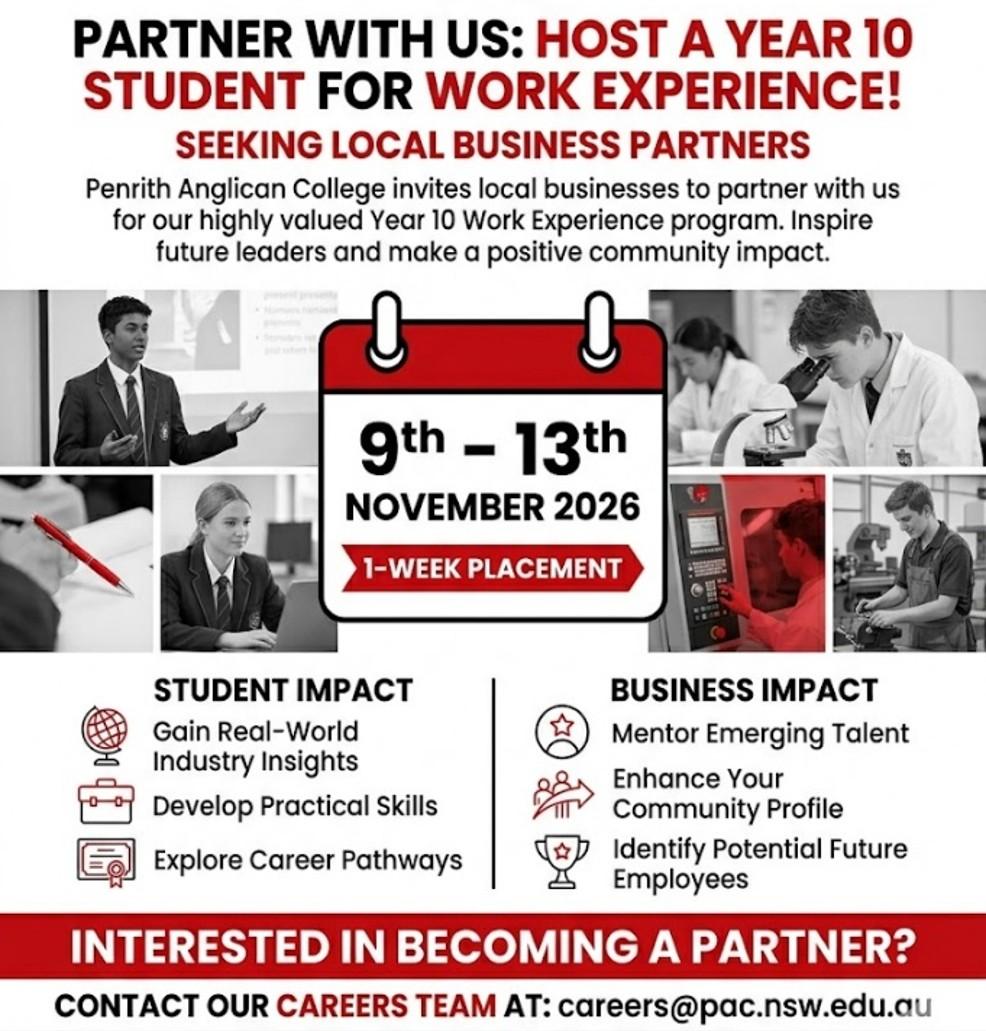
Work Experience program
Penrith Anglican College is looking for local business partners to inspire and mentor our Year 10 students during their upcoming Work Experience week from 9–13 November 2026. For more details, please contact the Careers Team at [email protected]
Sports
AICES Cross Country
AICES Cross Country
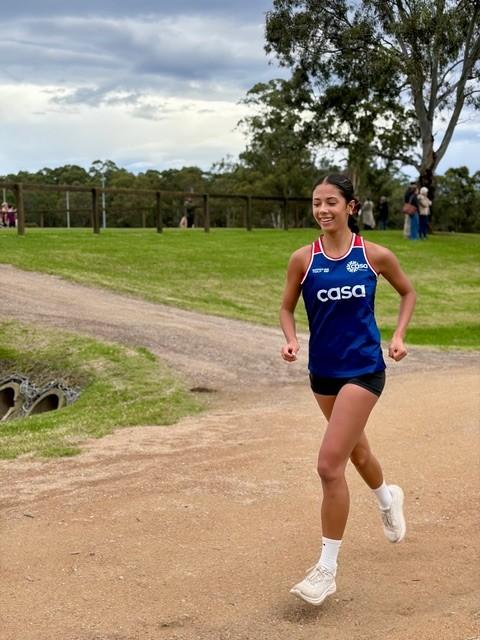
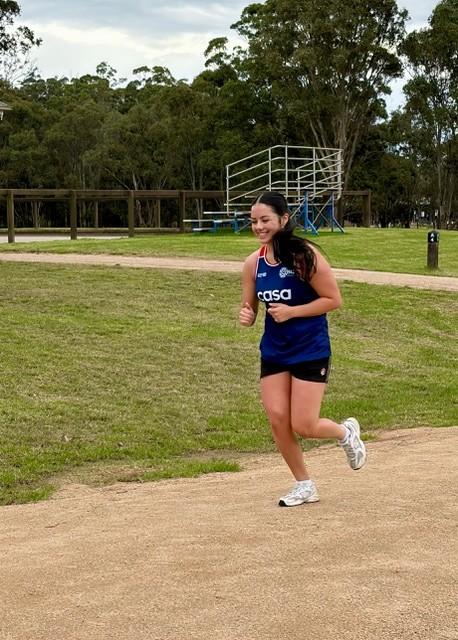
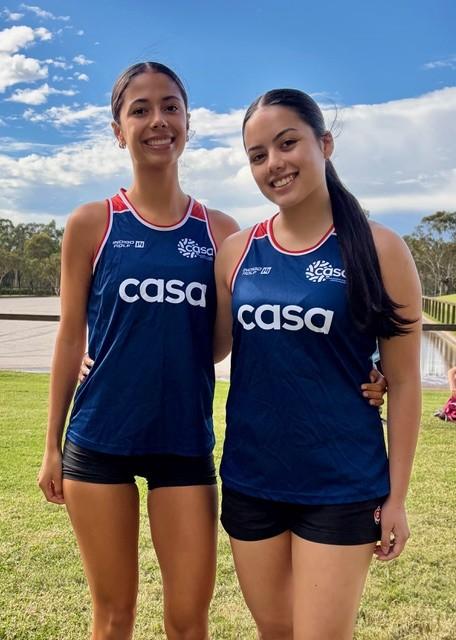
Congratulations to our Cross Country runners who attended the AICES Championship on Tuesday, 2nd June. Whilst a cold, and sometimes damp, day, our runners helped CASA achieve 1st place in the association points score! Special mention to Isla P and Ashlee C (Year 12), attending their final AICES Cross Country.
Six students have qualified to attend the CIS Championship on Thursday, 25th June – Isla P (Year 12) and Allegra T (Year 7) finished in the Top 10 places in their events, and our 12 years boys’ team of Joshua K, Xander O’B, Aarav P, and Jenson P (all Year 7) have qualified to represent as an AICES team!